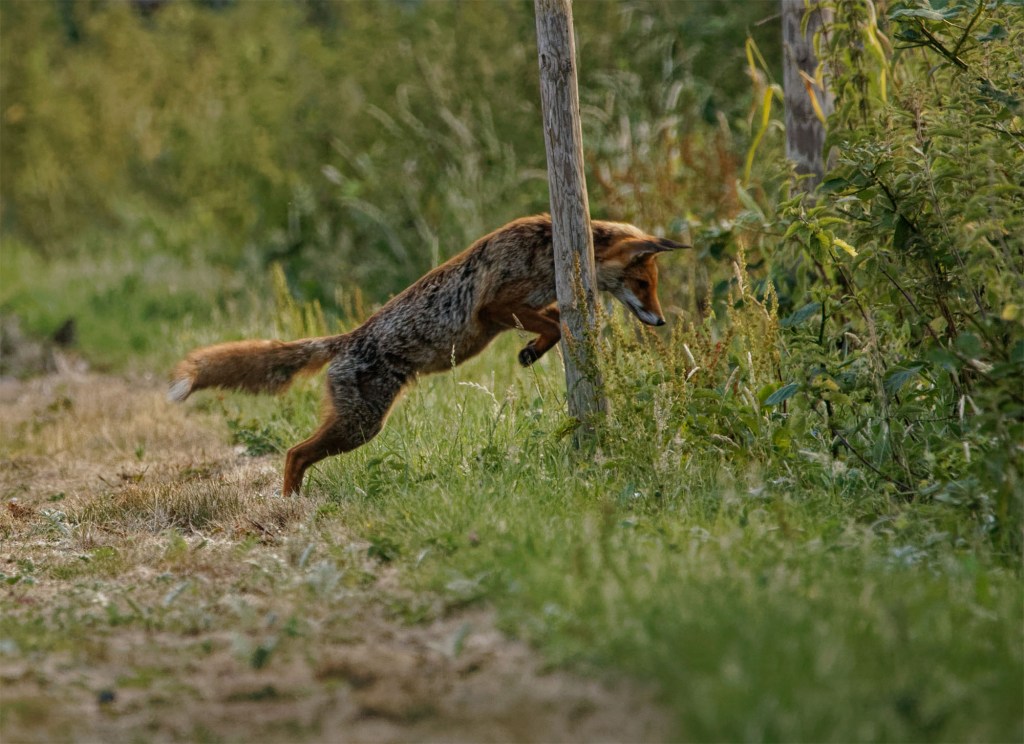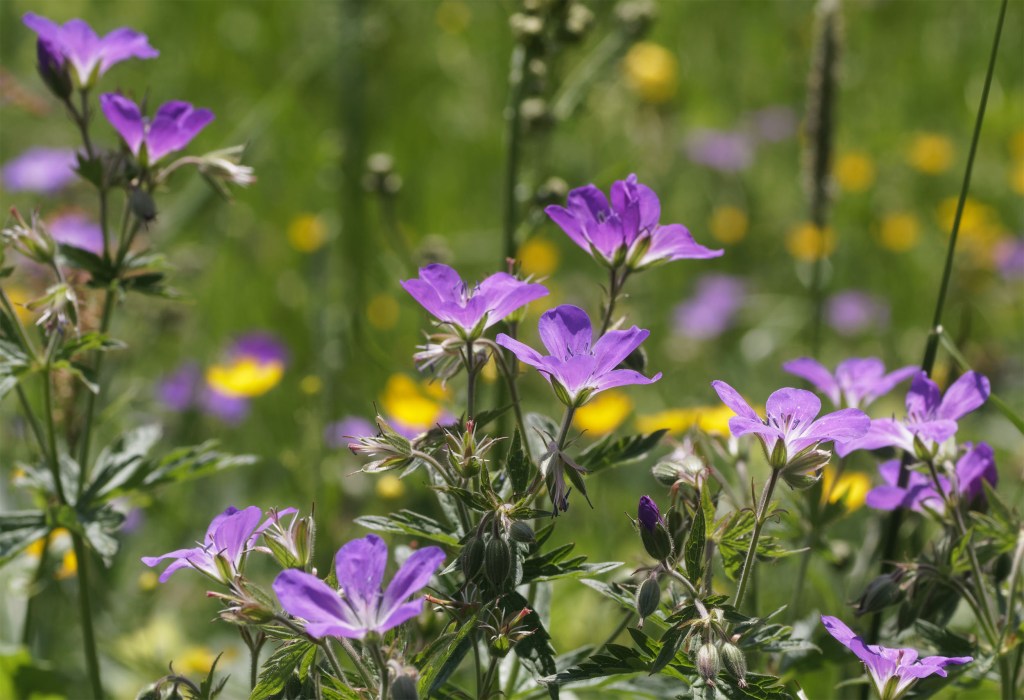
The Broads may be boggy, but another corner of Norfolk stubbornly turns steppe. Modelled piecemeal by ice ages until hard chalk was topped with sand that varies from a skin to full-blown dunes, it is patterned now with a truly bewildering array of wild things. Breckland is dry, cold, haughty and mysterious, the sort of land that grew the likes of Queen Boudicca and buried 17th century villages in roving sandstorms.

It was helpful to prehistoric people, however; it supplied them with flint. I’m not qualified to say if this flake is manmade but it is a reminder, like the rabbits introduced by the Normans, that humanity and the Brecks have known each other for a while, and still aren’t quite sure what to say.
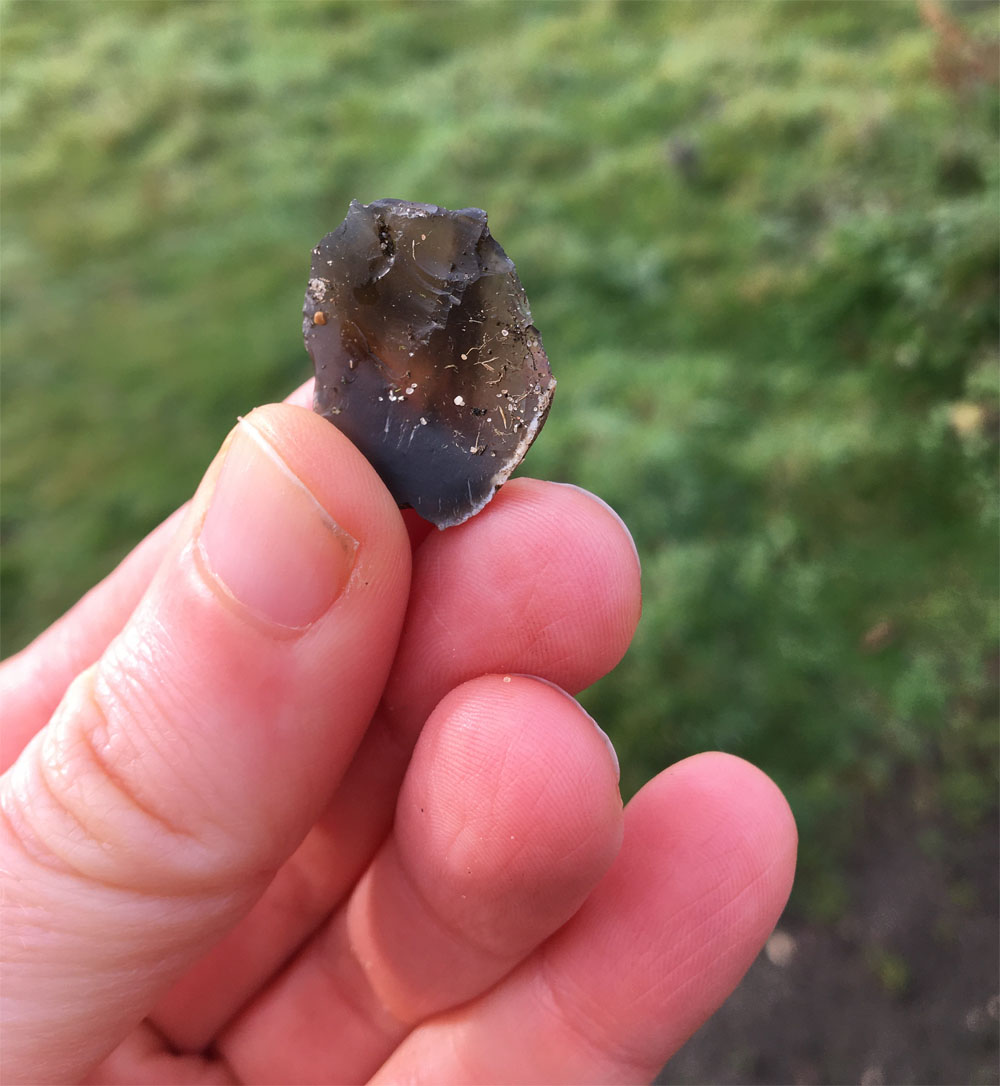
Flint Brecks

You know when you are in Breckland, but like the geology, the landscape is a riddle to describe. Heathland, ice age formations like pingo ponds, sandy warrens, flowers that grow nowhere else in the country – it’s also ended up supporting lowland Britain’s largest coniferous forest, planted in the 20th century to supply timber. 

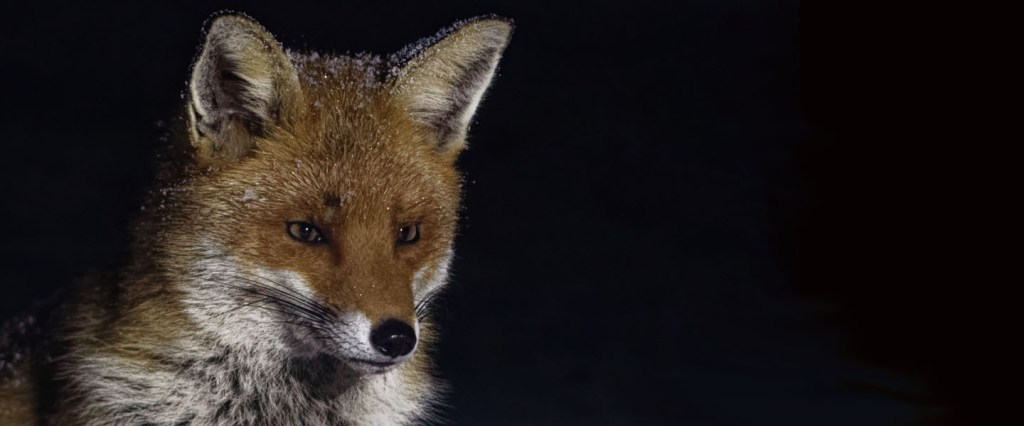
And the rabbits keep watching.
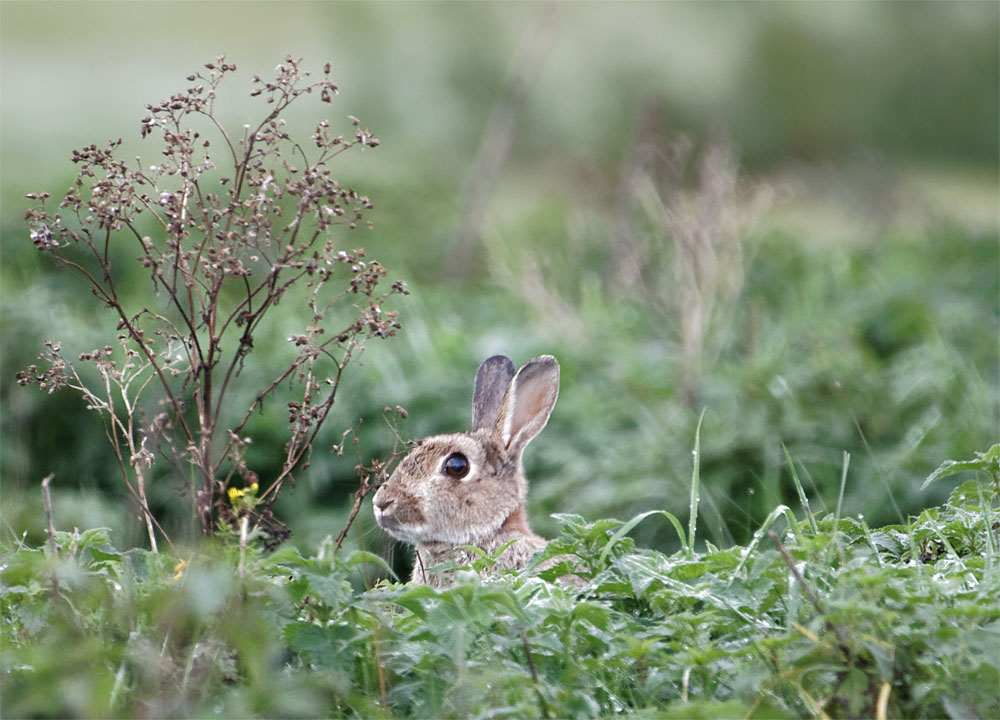
Rabbit Brecks Oct 20

But it was the fungi that stole the show last week. There is fly agaric, which looks like it belongs in a fairytale.

Fly agaric Brecks

There is death cap, which has found itself in many tales, generally of a rather dark kind involving assassinations of unpopular royalty.

Death cap Brecks

We have given many species ill-fitting names, but not the death cap – it is precisely what it claims to be. It is packed with amatoxins and just half a cap can be fatal. I don’t often come across it, but like deadly nightshade and grizzlies, it is a reminder that nature has rules and needs to be treated with respect.

More innocent, perhaps, are the fungi that decorate a pine cone.
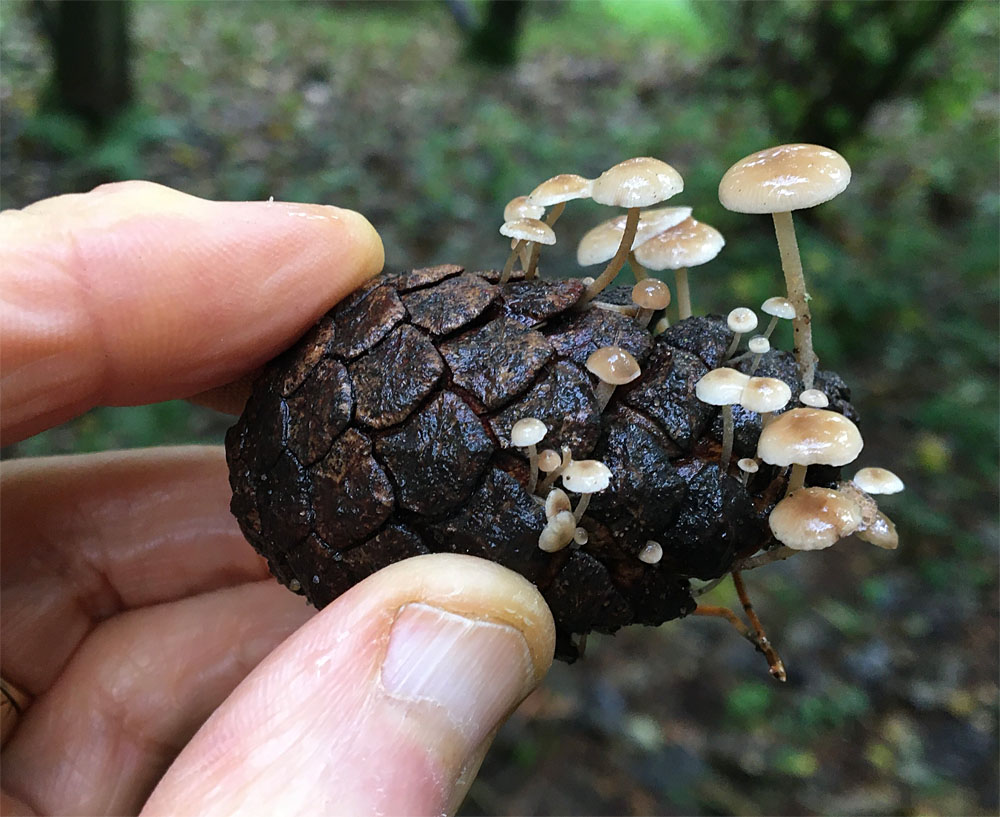
Cone fungi

And finally, shaggy ink cap or lawyer’s wig.

Lawyer's wig

Its fame is that it self-dissolves into a gooey ink, which some say was used to sign the Magna Carta, although I’ve been unable to trace the source of that claim. A touch of unknowable seems requisite for residents of the Brecks.

18 responses to “A Different Sort of Somewhere”

  1. I hadn’t heard “lawyer’s wig” but it’s so fitting! Nice post, Adele.

    Liked by 1 person

    1. I expect the average judge is happy that their wig doesn’t self-dissolve into goo though! All fungi are weird but this one has a style all its own.

      Liked by 1 person

      1. I’ve eaten these when they are very young and they’re “okay” but I never had the inclination to try the again.

        Liked by 1 person

  2. Your posts are always so interesting and enjoyable. Great photos, too.

    Liked by 1 person

    1. Thank you Lynette 🙂 Breckland is one of a kind and it was good to spend some time there.

      Liked by 1 person

  3. The ones in a pine cone look like out of the world 🙂
    Very nice post!!!

    Liked by 1 person

    1. Sci-fi fungi 🙂 I’ve only seen them once before (but then I’m not often in large coniferous forests!) You may well have similar species in your part of the world.

      Like

  4. Beautiful shots, Adele. I really like the cone with the small mushrooms growing from it. Nature is amazing!

    Liked by 1 person

    1. Thanks Pete. Indeed it is!

      Liked by 1 person

  5. I am here for the first time and I like your wildlife blog very much, in particular the photos. In the next few days I’ll be looking at the older posts.
    Greetings from the northern part of Germany
    Sylvia

    Liked by 1 person

    1. Thank you Sylvia! Welcome here and I am glad that you enjoyed the photos.

      Like

  6. Another very interesting post – and such fabulous fungi!

    Liked by 1 person

    1. Last year was quite poor for fungi (wrong weather) so this is a treat!

      Liked by 1 person

  7. It sounds like a mystical place. Lovely photos, Adele.

    Liked by 1 person

    1. Thanks Belinda. The Brecks is a strange land, rewarding patience and careful observation.

      Liked by 1 person

  8. Wow, those tiny ‘shrooms on the pine cone are something else. Makes sense that whether a tree or cone they would be there but I’ve not seen that. Cool.

    Liked by 1 person

    1. They are magic in miniature 🙂 It’s only the second time that I’ve come across this strange sight but think I’ve identified them as Baeospora myosura, the Conifercone Cap.

      Liked by 1 person

      1. Aptly named, I’d say. 🙂

        Liked by 1 person

Leave a comment

Trending