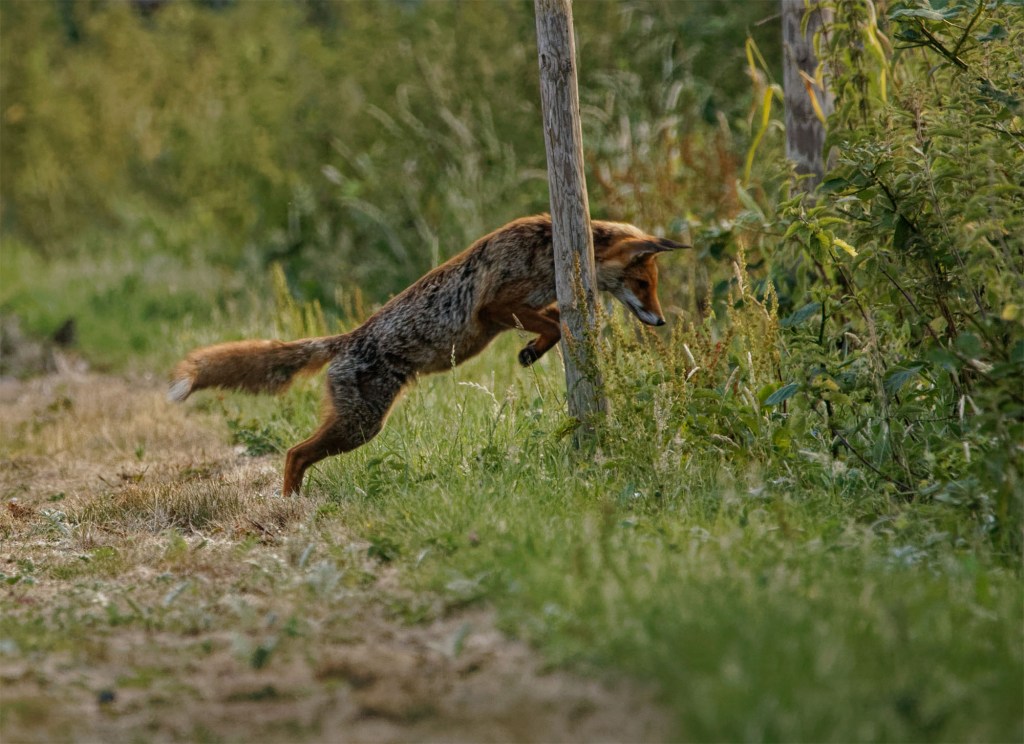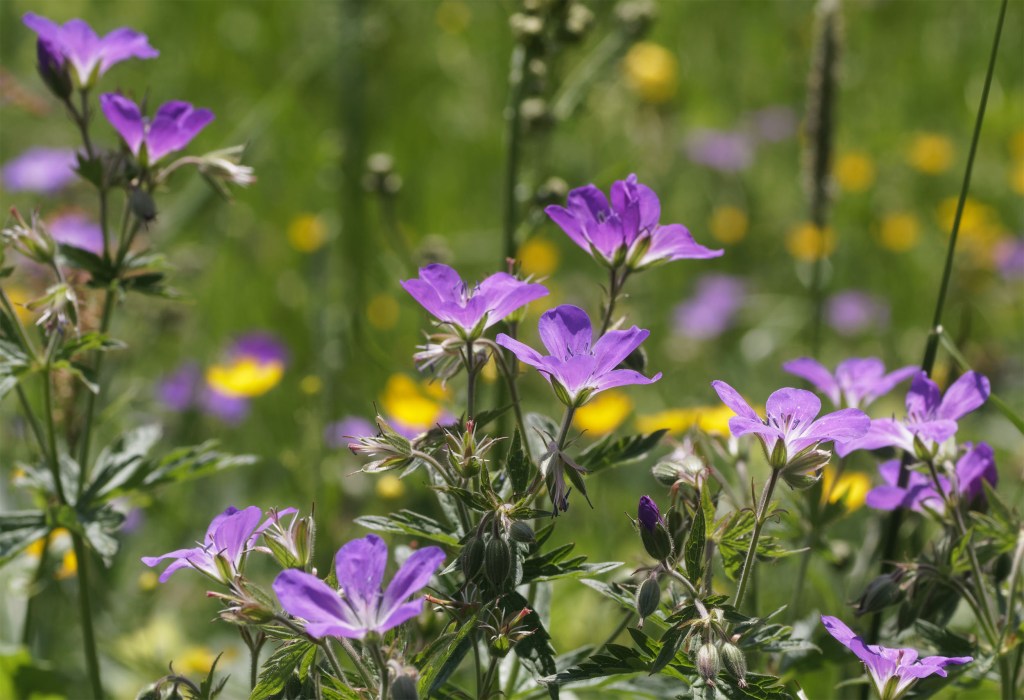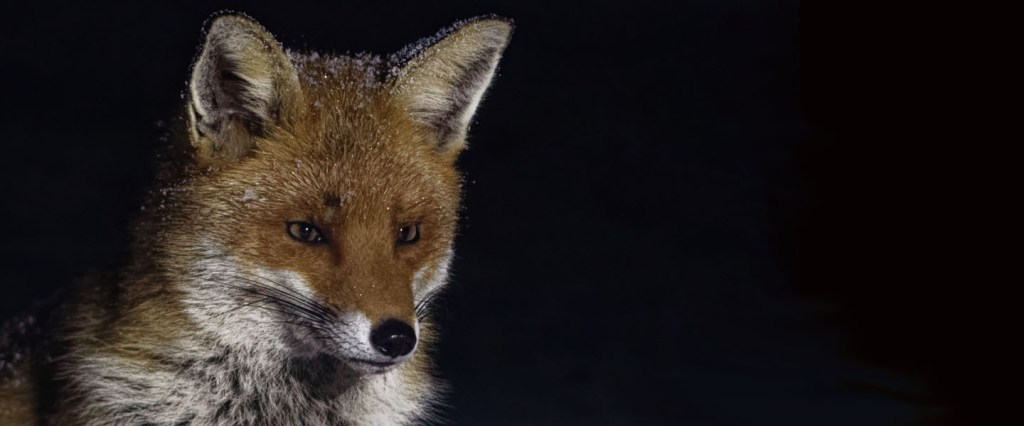
Did they know that they would become this?

Thompson Common skies 29 Jul 21

Breckland, after the ice sheets.

The most formidable glacial advance in the entire Pleistocene is named ‘Anglian’. The East Anglian peninsula was swallowed by it – this meadow once looked like Greenland. As the climate warmed, standing blocks of ‘dead’ ice were left behind, eventually to be topped with soil and grass like surviving examples in polar regions. The Inuit word pingo is used to describe such hillocks with a heart of ice. They would have stood tall over the flat Breckland landscape, but they pressed into the soil like a knee. 

But they melted, in time. Now, their legacy is ponds. The ghosts of lost hills, water-filled depressions carved by ancient glacial games.
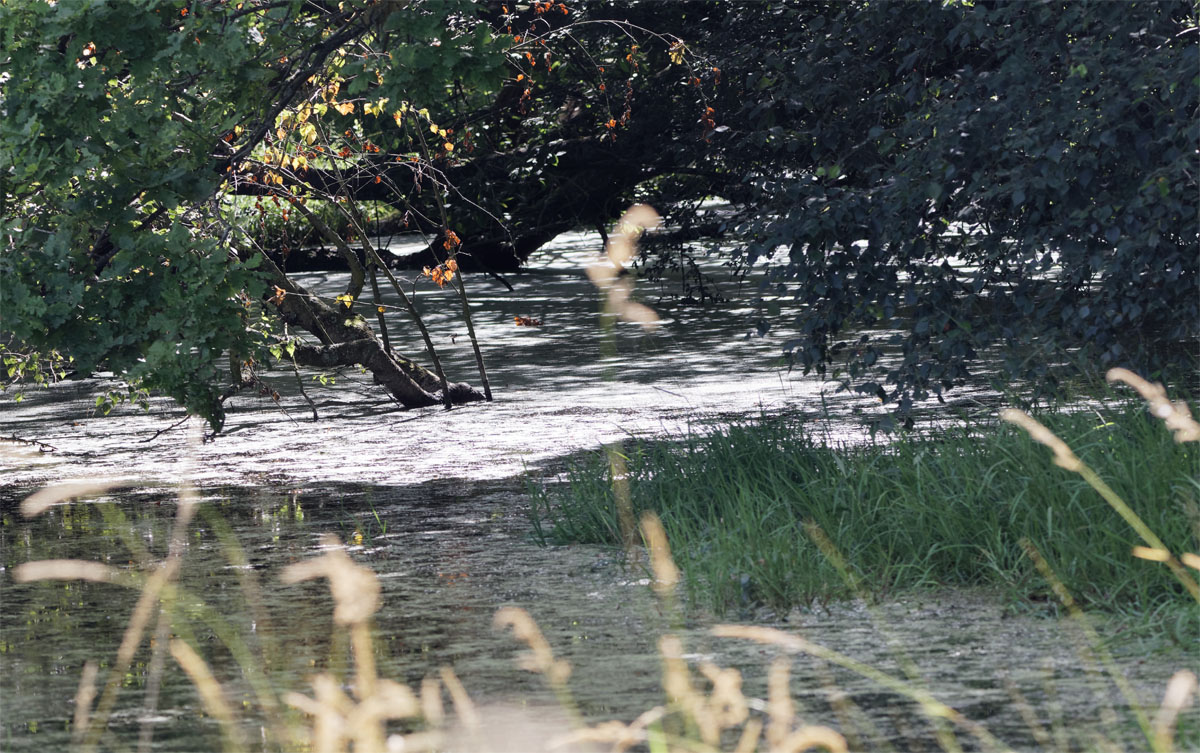
Pingo pond 29 Jul 21

Breckland is rich in pingo ponds, also known as kettle ponds. It is also very rich in dragonflies, rare beetles, great crested newts and other species that appreciate wet habitats. Northern clade pool frogs, the UK’s rarest amphibian, made its last stand in the pingo ponds, and has recently been reintroduced.

Away from the water, other species exploit the meadows. Six spot burnet moths are hard to overlook.

Six spot burnet

I heard many birds calling, but didn’t get any good photos of them today. Here’s a couple from another Breckland visit a couple of weeks back: goldfinch…

Goldfinch Jul 21

And a juvenile blue tit.

Blue tit Jul 21

Two very common British species, but the Brecks can do far better; it has stone curlew, turtle dove and many other specialities. In total, nearly 13,000 different species of wild things have been identified, and many have comfortably rubbed shoulders with farming for millennia. Poppies on the edge of an arable field are a reminder of that.

Poppies Thompson Common 29 Jul 21

And all of it, from the soil to the sky, is a reminder of the ice.

16 responses to “Ghost Hills”

  1. Beautiful post, Adele. I love the idea of the landscape developing over such a long time, and the birds that are here now probably have developed and changed over the eons too.

    Liked by 1 person

    1. You certainly get a sense here that the landscape is dynamic. Brecks has always taken that to an extreme – parts of it are really an inland dune system and until tree planting stabilised it, the sand very much did its own thing. It invaded a village in the 17th century and nearly overwhelmed it!

      The common poppy Papaver rehoeas (the one in the picture) is from the Mediterranean but migrated to Britain with very early farmers.

      Liked by 1 person

      1. Thanks for this very interesting and informative post, Adele.

        Liked by 1 person

  2. I find geological history fascinating. 10,000 years is a relatively short amount of time and look at all that came about since the ice melted. Miraculous!

    Liked by 1 person

    1. Young in comparison, but it’s had its fair fill of human history too! Breckland was once ruled by Queen Boadicea, who famously rebelled against the Roman rulers. It’s also the site of Britain’s only known mammoth butchery and has Neolithic flint mines at Grimes Graves.

      Liked by 1 person

      1. UK is so rich in human history, it amazes most of us young whippersnappers over here. 😉

        Like

  3. Geological lifetimes are so long. When I read about how certain areas developed (like your post) I am very strongly reminded of the damage we humans can so easily and carelessly do.

    Liked by 1 person

    1. Breckland is one of the more encouraging stories. Farming has always been part of the landscape and many rare species are dependent on it (to the extent that non-farmed areas, like military land, have to recreate farming-style disturbance). But like everywhere else, commercial agriculture in the Brecks has become more intensive over time with all the attendant environmental issues. A cluster of forty farms are now working together to conserve nature at a landscape level: https://brecklandfarmerswildlifenetwork.org/

      Liked by 1 person

      1. Thanks so much for the link – interesting piece. I didn’t know that such dependency exists in some areas. Cheers.

        Liked by 1 person

  4. This makes me sad again that I probably won’t be able to come this year because of the quarantine regulations.

    Like

    1. Oh, that is a shame. The covid travel rules are very confusing and seem to be changing all the time. I hope by next year the situation is more stable and it will be easier for all of us.

      Liked by 1 person

  5. Nice one! And I like that photo of a goldfinch – European version. When I came to Canada I was surprised to see that they are actually all yellow 😀

    Liked by 1 person

    1. I never understood why our version isn’t called a tricolour finch!

      Liked by 1 person

      1. Yes, that would be a more appropriate name. In Serbia, we are using 2 names for them, one is local (češljugar) and the other comes from German stieglitz, but pronounced a little bit different (štiglić).
        Now that I think of it, I will try to find First Nations names for birds in BC 🙂

        Liked by 2 people

  6. Very interesting and I enjoyed your photos. I like the way you knit together dynamics and relationships over time and between nature and human practices.

    Liked by 2 people

    1. Thanks Carol. So many stories in the landscape when we stop to look 🙂

      Liked by 2 people

Leave a comment

Trending