There’s a panther in the willow tree. At least, in the mind of a six year old me, holding the family cat against the wrinkled old bark and my imagination fired into the exotic. Willows will do that to you – maybe it is their limbs, waterfalls of grey-green leaves tumbling earthward like plaited hair, or their voices, crack of old bark and rustle in the wind.

Crack willow is abundant in wetter parts of Norfolk, and is rather more at home here than my old companion was in the dry chalky North Downs. It is a grey trim along the riverbanks like a furry coat lining, leaning towards the water, reflected back towards the sky.

Crack willow2 4 Sept 21

Willows always retain one limb inside the human imagination. Perhaps JRR Tolkien saw a hollowed shell such as this before the hobbits had their misadventure with Old Man Willow?

Crack willow3 4 Sept 21

And as for the Wind in the Willows – Ratty, my favourite character, is properly called a water vole, and he still stars in Norfolk’s waterworlds.
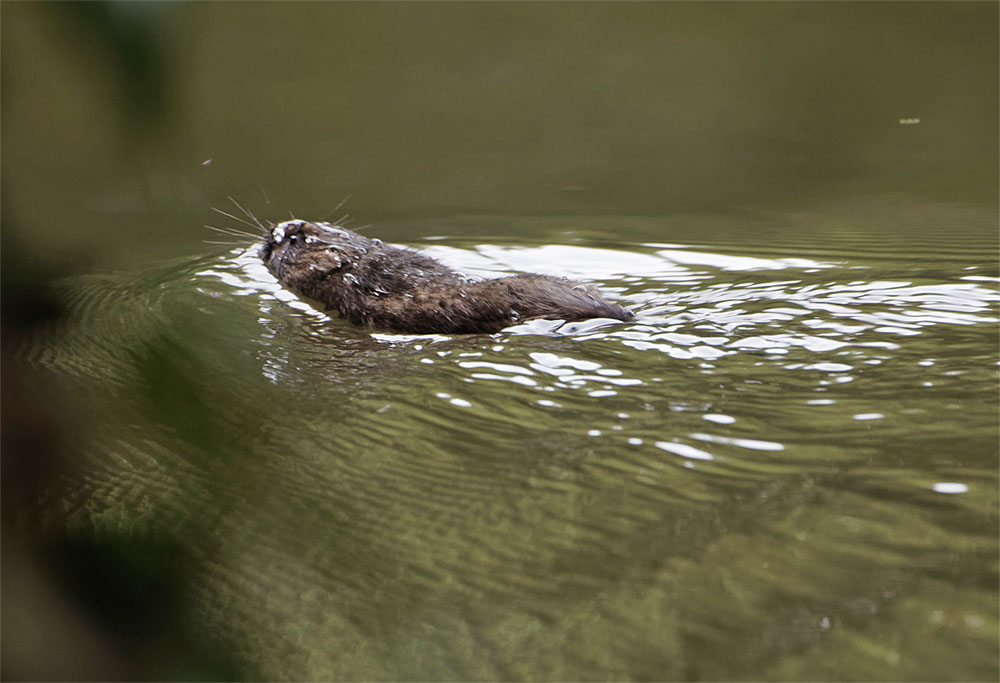
Water vole2 21 Aug 21

A rushed photo admittedly, but I was thrilled to glimpse it at all. These large aquatic rodents have had a catastrophic decline in the UK due to habitat loss and predation by introduced American mink. Bizarrely, a few days later I saw another mammal swimming up the river.

Squirrel swimming 25 Aug 21

Yes, that is a grey squirrel, and it was swimming well enough and making for the bank. It probably fell out of a willow. Is it just my imagination that the tree could jettison a climber so easily?

Keep listening to willows. They must have many more stories.
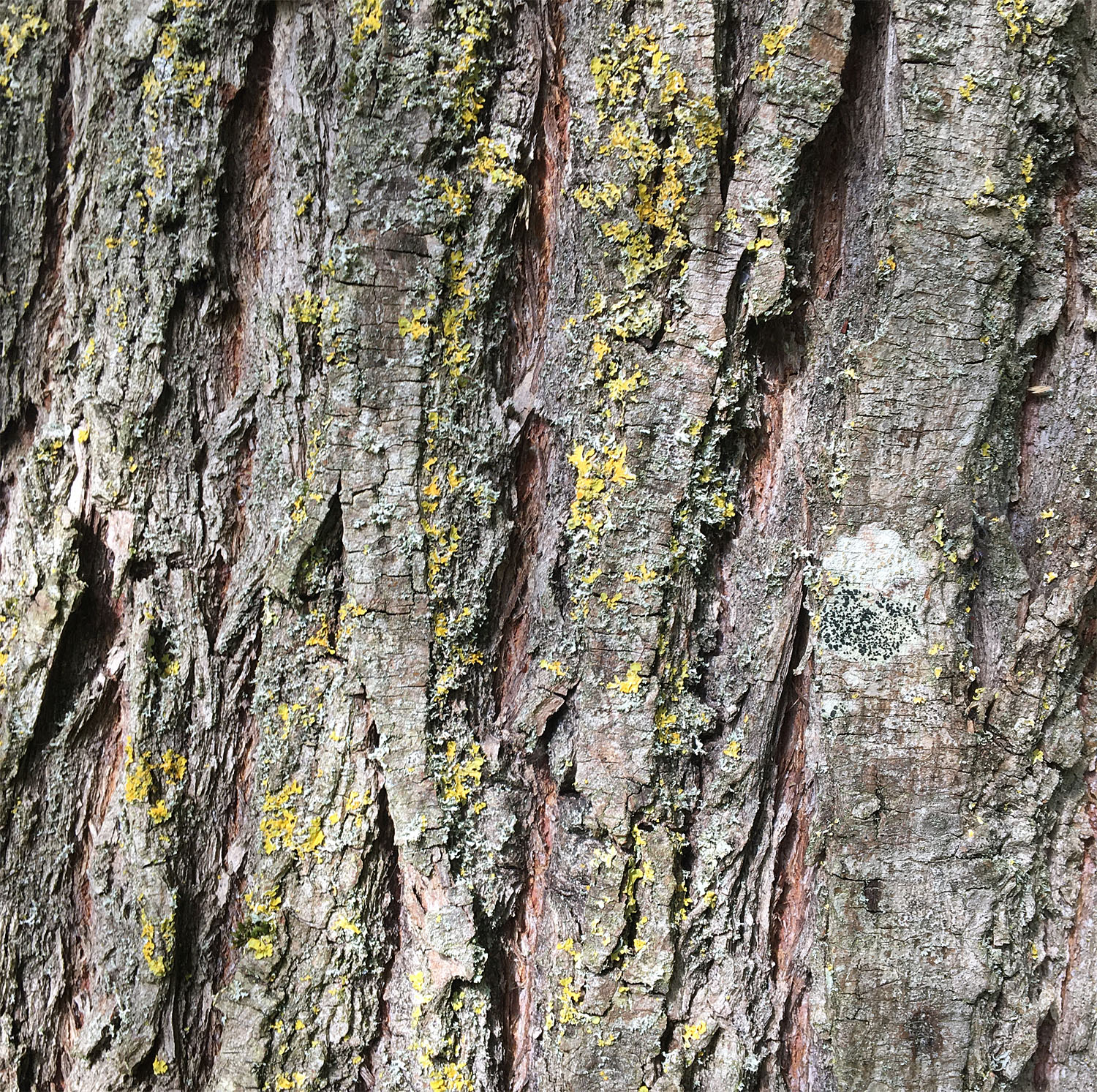
Crack willow 4 Sept 21

10 responses to “Storyteller Willow”

  1. A lovely willow, but sad to read about the NA invasives that are causing declines in native species. It’s a sad story that is too oft repeated around the world.

    Liked by 2 people

    1. Indeed, and although deliberate introductions are illegal now, we still get new species through poor biosecurity or owners tiring of their exotic ‘pets’. But there is some evidence that our native otters sharply reduce mink numbers and their recovery may help protect water voles.

      Liked by 1 person

  2. I bet that squirrel was surprised. I don’t think of them as voluntarily getting into the water. The silvery gray of the willows is beautiful.

    Liked by 1 person

    1. Not sure about the squirrel, but I certainly was! Still, it seemed calm enough.

      Liked by 1 person

  3. Lovely descriptions – great when trees fire the human imagination so, and provide habitat for creatures real and imagined!

    Liked by 1 person

    1. So many muses to be found in nature!

      Liked by 1 person

  4. A lovely post and your willow photos are beautiful. Invasive species – so tragic.

    Liked by 1 person

    1. These willow woods have such a different character to the oak / hazel / cherry woods of Surrey.

      Liked by 1 person

  5. Interesting to see the squirrel in the water (a first for me) but not as unusual as one might think. In 1803 the Lewis and Clark expedition recorded huge numbers swimming in the Ohio, and there are various reports of mass migrations of Grey Squirrels in C19 / C20 USA, when even the Mississippi proved to be no obstacle to their travels. The last great squirrel migration is said to have been in Wisconsin in 1968: an account says “One fisherman reported a wave of squirrels swimming toward his boat and nearly sinking it as they ran over him”. Amazing!

    Liked by 1 person

    1. Thanks for that – very interesting. I suppose, on reflection, most rodents do swim well and there’s no real reason that the squirrel’s usual preoccupation with trees would make them any different. That said, I hope never to be washed over by a wave of squirrels while boating in the Broads!

      Liked by 1 person

Leave a comment

Trending