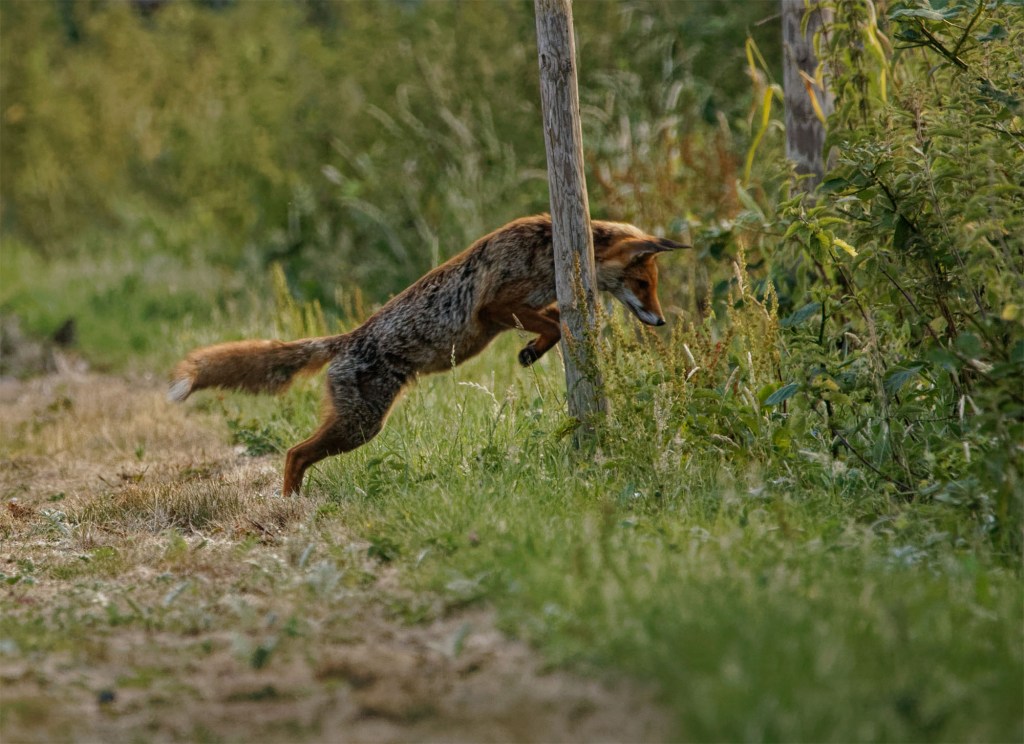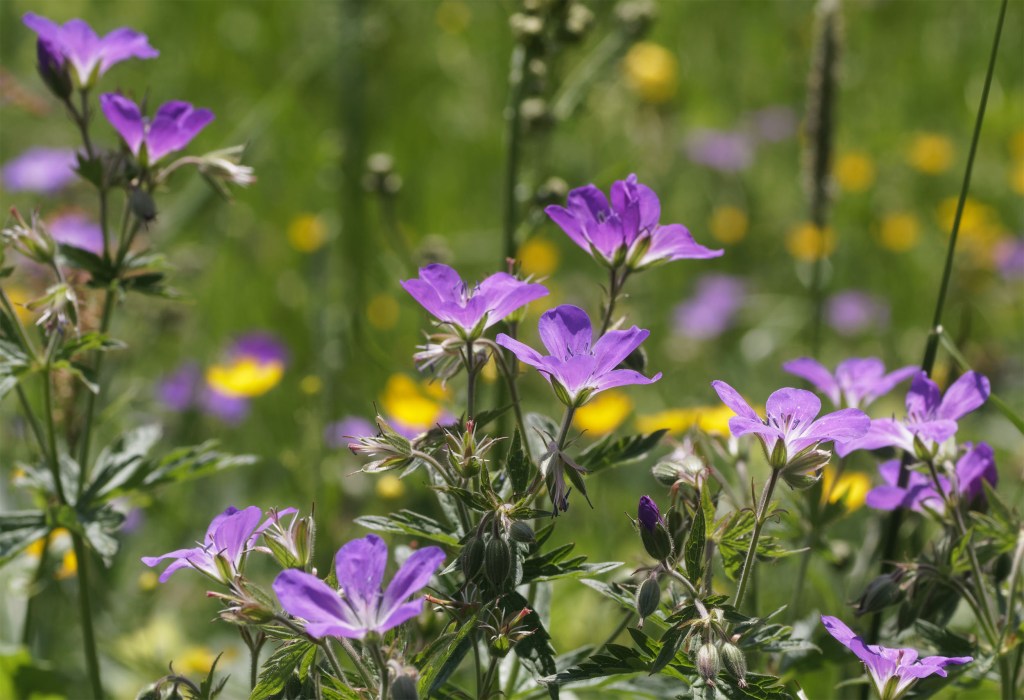
Everything growing is a post-it note left there as a hint to the bigger picture.

Waxcaps: You are on undisturbed land

The fungi of a dozen colours, family Waxcap is bright, obvious, and sensitive. They thrive in old mossy grasslands and churchyard edges that haven’t been ploughed, fertilised or otherwise harmed. If disturbed, they might not return to a site within a human lifetime. If watched, they tell their stories. Blackening waxcap begins with a glow of gold.
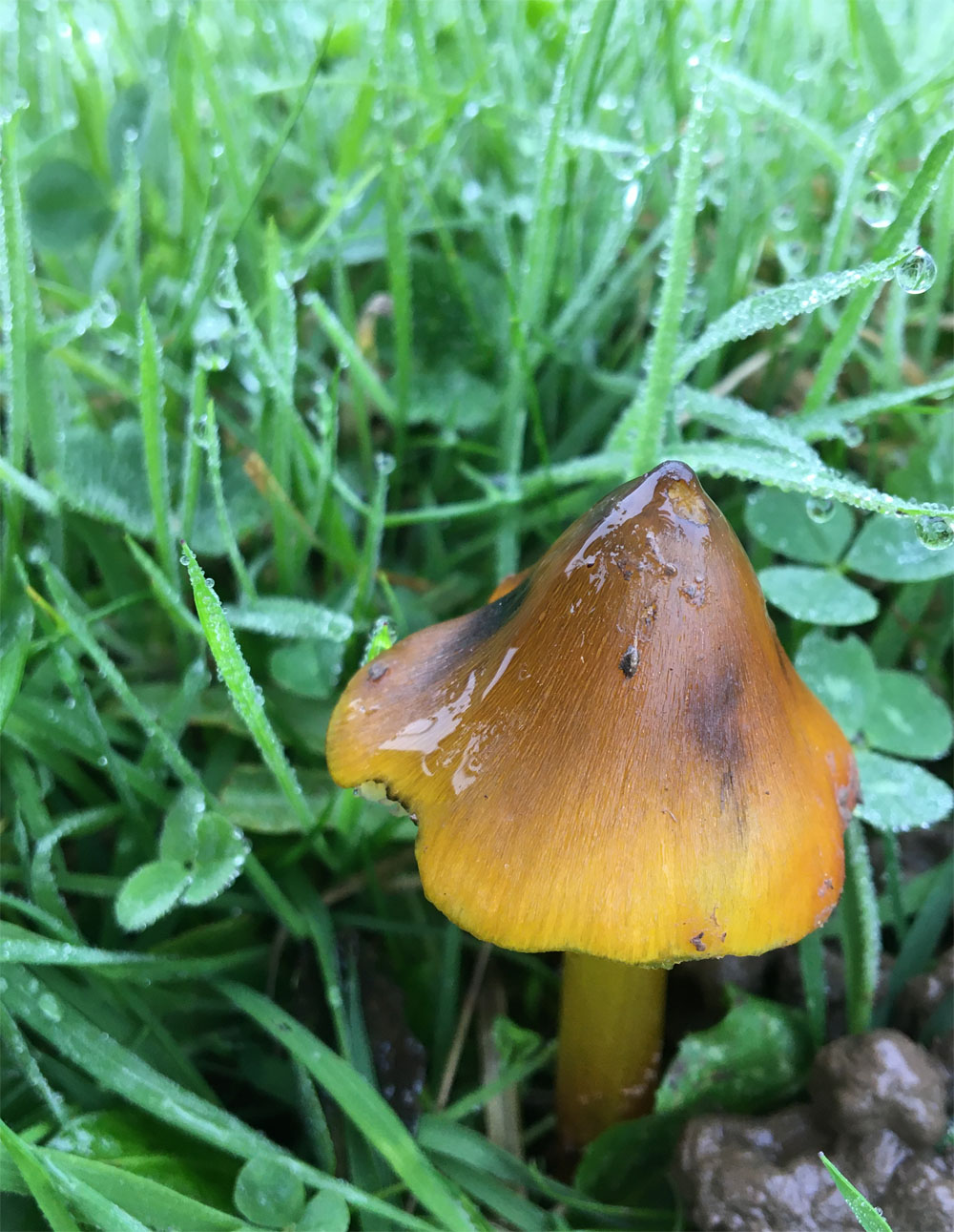
Blackening waxcap golden

Before turning dark, spreading its spores back to the earth.

Blackening waxcap2 Oct 21

Wall barley: You are on disturbed land

Thriving on the opposite, this grass and its extraordinary bristles (properly known as ‘awns’) like roughed-up areas. It often appears on urban road verges and cracks in pavements. It is related to the barley species grown on farms.

Wall barley 30 Oct 21

Stinging nettle: You are on nutrient-rich ground.

That may sound like a good thing, but most of those nutrients will be run-off from agriculture or be leaking from old iron fences. Too many nettles equals an environmental question-mark. They are also fierce to the touch, as most rural children know. But they have been used by many cultures for various things, from medicine to textiles.
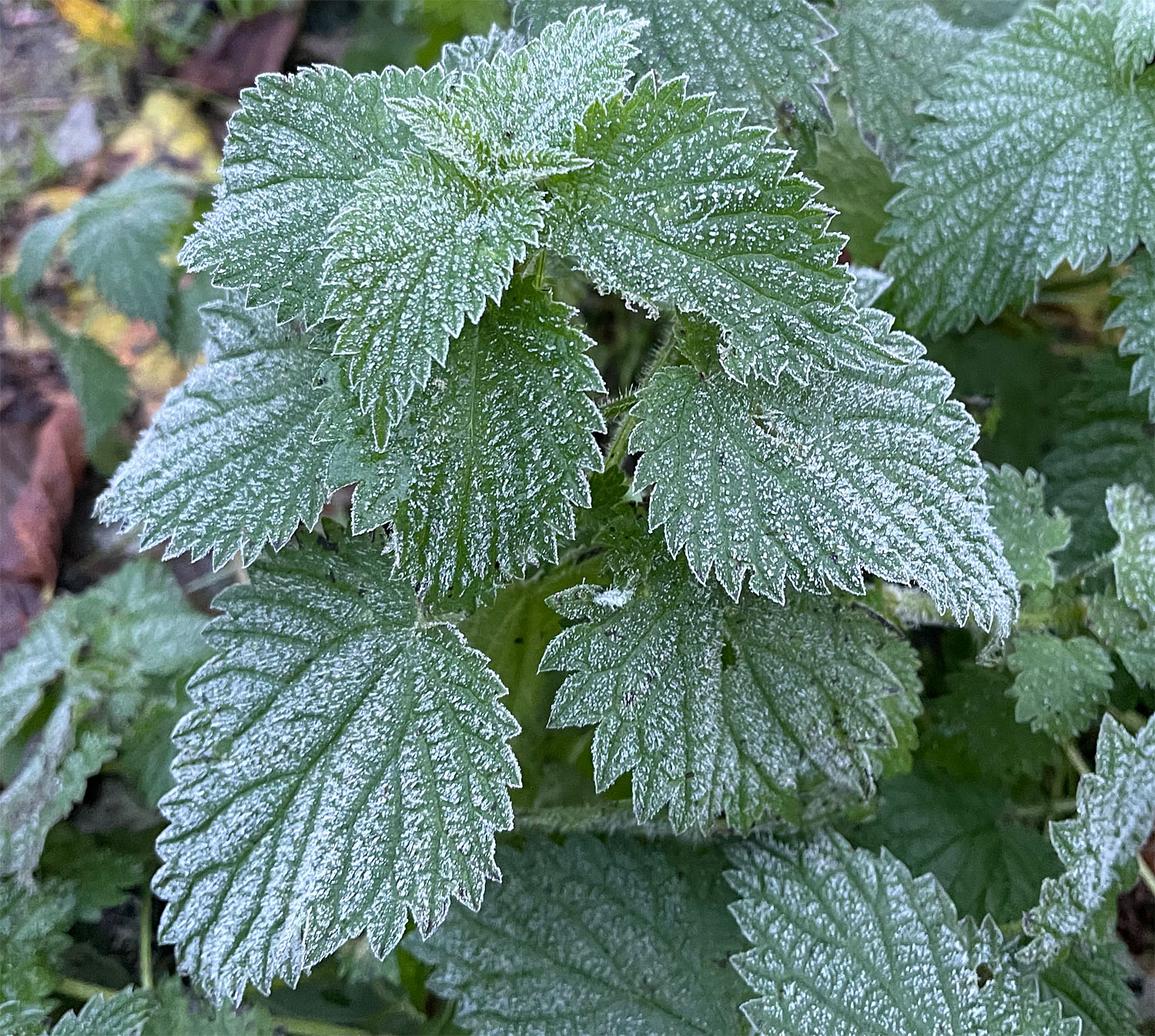
Stinging nettle 2 Nov 21

Mist: You are in November-land.

It is autumn, and that grows mist. And it is beautiful.
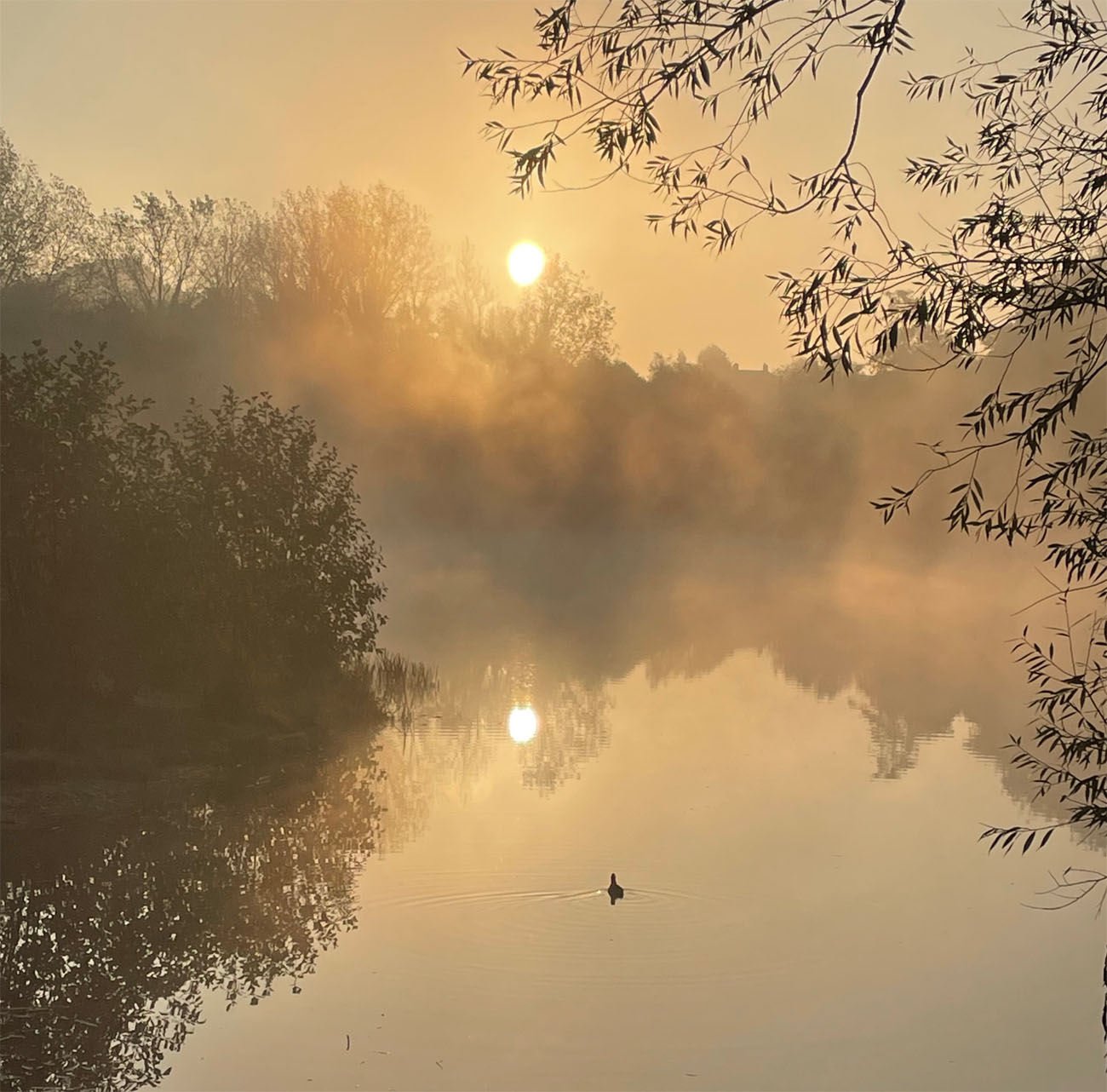
Misty morning1 3 Nov 21

16 responses to “The Signposts”

  1. Thank you for this beautiful, informative post. Your words are as wonderful as your photographs.

    Liked by 1 person

    1. Thank you so much Cathy.

      Like

  2. Beautiful photos, Adele. As usual, the info is always good too.

    Liked by 1 person

    1. Thanks Anneli. It’s been quite a good year for fungi so far but they probably didn’t like the frost earlier this week.

      Liked by 1 person

      1. No. Fungi are like that. They’re so fussy.

        Liked by 1 person

  3. Interesting to learn about these species and their preferences, Adele. The only one I recognize here is nettles. Every old farm has them and they are quite popular with herbalists.

    Liked by 1 person

    1. It does ironic that we’ve taken a plant that is so hostile to us and made medicine out of it!

      Liked by 1 person

  4. Beautiful photos, especially that last one. Very informative, too. Thanks for sharing; I didn’t know about the fungi.

    Liked by 1 person

    1. Thanks Lynette. Dawn yesterday was stunning but the rain soon followed!

      Liked by 1 person

  5. Excellent photos that perfectly capture the spirit of autumn (or “fall” as you guys on the other side of The Pond refer to it!) And I love your description of nettles as “fierce to the touch”.

    Liked by 1 person

  6. Oops, please ignore the comment I’ve just sent about “the other side of the Pond”. I’ve not had breakfast yet, and am obviously suffering nutrient deficiency! But my thoughts on the photos and “fierce to the touch” nettles stand. What a lovely choice of words, wish I’d thought of that. I’ll stop now, and have some Cornflakes!

    Liked by 1 person

    1. LOL! Well, the other side of the Wash, at least. I’m definitely typing this in a Surrey accent (possibly with a tinge of Norfolk around the edges now). That did lead me on an interesting journey through the origins of the season’s name, though. According to dictionary.com, ‘autumn’ dates at least to the 1300s, and ‘fall’ began to gain ground in the 1500s. However, autumn had overtaken it again in England by the 17th century. It’s strange that fall became established in the US yet not here.

      Liked by 1 person

      1. Ah Surrey, I remember Surrey (well, Staines anyway)! Fall “does what it says on the tin” but I still prefer autumn, if only because I can’t think of an equivalent of the word “autumnal” with the word “fall” at its heart.

        Liked by 1 person

    2. Rural Surrey in my case 😉 Yes, I prefer autumn too. Although I suppose ‘fall’ is well-fitting opposite to ‘spring’.

      Liked by 1 person

  7. When I was a kid, my mom or grandma would pick some stinging nettles, usually in spring, and make a side dish for lunch – it tasted similar to spinach. But it has to be young, otherwise it’s not very tasty 😀

    Liked by 1 person

    1. Ah, that’s interesting – I wondered if you had experienced it when I read on the ‘net about börek pastry. Is that the side dish you mention?

      Like

Leave a comment

Trending