Mid-October
No one disputes who rules the far north.
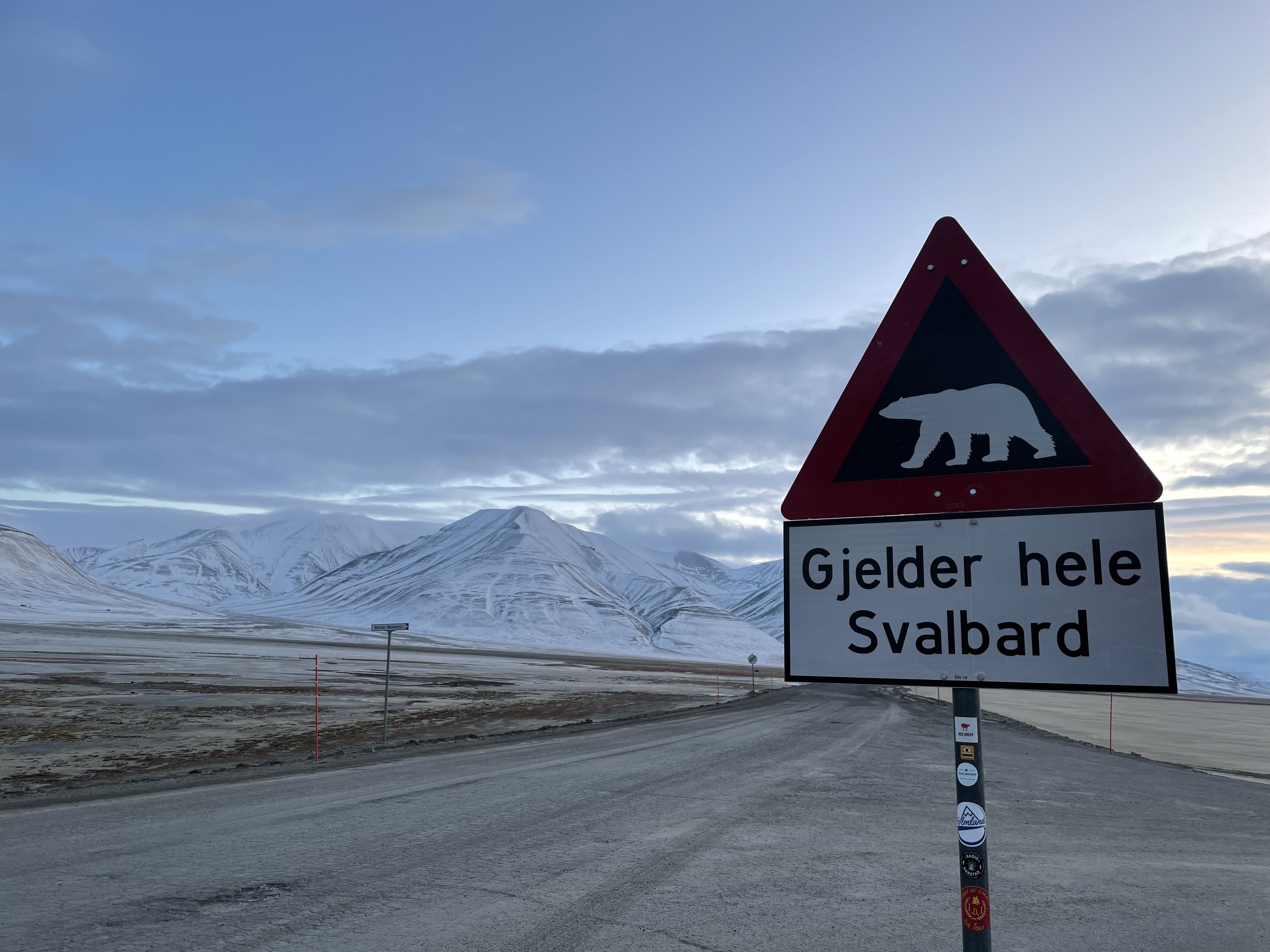
About 10% of the world’s polar bears live in the Barents Sea, and hundreds call the Svalbard islands home – some permanently, others lumbering out over the sea ice to seek seals. Black and brown / grizzly bears are old acquaintances of mine, but polar bears are altogether different: the largest and most formidable carnivoran, unimaginably restless in a realm of shimmering white.
They are not commonly seen except from boats, but they are out there, somewhere.

Wilderness is not a game, and animals are not toys. I’ve written that line many times before, because I’ve explored much of what remains of Earth’s wild corners, and while learning from them, have incidentally observed a good deal of fellow-human behaviour. The glorious, merciless mystique of Wild – of a place where decisions matter – can deepen, soften and sharpen people. Or it can provoke irrationality of a kind that is not only juvenile but often very dangerous.
That is not a new problem. But it is, perhaps, becoming more common, frequently with dreadful consequences. That is absolutely not to say that every victim of the wilderness has done something ridiculous; far from it. The tragically unpreventable and the split-second mistake will always be with us.
Yet if the risk cannot be eliminated, it can be hugely reduced by proper practice. Svalbard has some of the strictest human / bear interaction laws in the world. In practice, if you as a visitor want to explore, it will be in the company of a local guide with a firearm, flares and thorough training how to avoid a disaster.
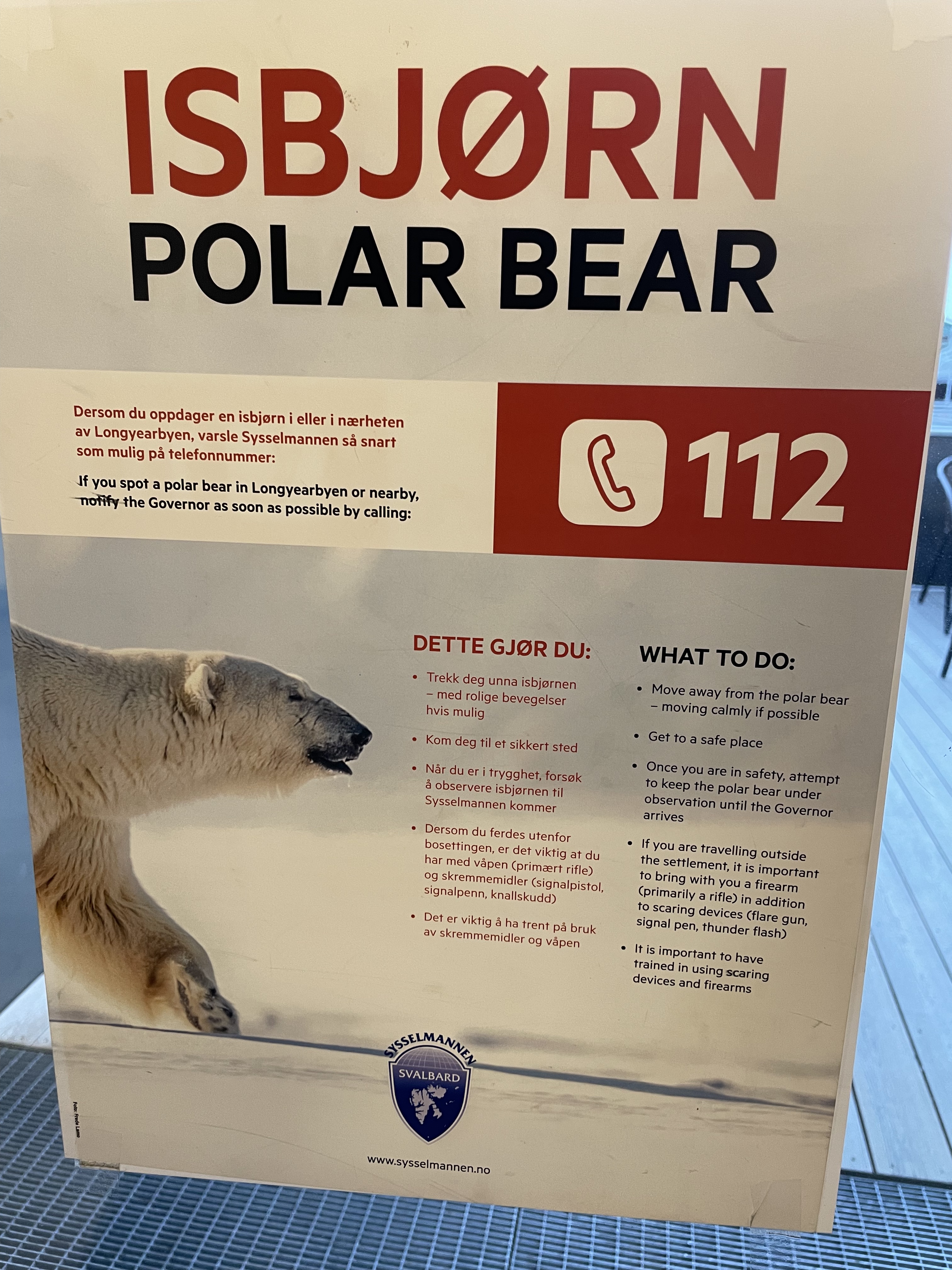
Would Yellowstone or Jasper ever accept those restrictions on its tourists? Probably not; their black and grizzly bears are much less predatory than polar bears, and their culture much more permissive. There have been a few incidents in Spitsbergen over the years, including an attack in the campground just outside Longyearbyen. In response, it is now ringed by electric fencing but locals suspect would it not deter a determined bear. Hopefully, we will never have to find out.
But if the bears are often on one’s mind, it’s something quite different that is generally filling one’s ears.
Dogs, like polar bears, are indivisible from the Arctic. They are postcards from the Pleistocene – the epoch in which we first began to carve them from wild wolves. It seems oddly fitting that they became part of explorers’ attempts to investigate the north, via these islands and ocean where the Pleistocene has never quite ended.

A land carved by ice never forgets. Back in England, our coast, caves and even our river networks are riddled with the Pleistocene’s fingerprints. Ten thousand years, and still they show it.
I am grateful to have had the opportunity to travel north to understand their past a little more.



 A Walk with Wildlife
Leave a comment