The weather has turned into typical November and even going out in the garden seems to require a wetsuit. But trees are still with us, twirling leaves as their bark darkens into a glossy skin.
Many of Britain’s trees have acquired a certain cultural mystique. Hazel is not the grandest nor the most stately, but it is embedded in the framework of many small woods. It was traditionally harvested by coppicing – cutting to a stump to encourage it to sprout long straight poles – and many now assume a sprawling, many-headed presence on the woodland understorey.
And yes, squirrels use them as furniture while squabbling.
But it is dormice that are indivisible from hazel, at least if you take a traditional view. It is woven into their scientific name – avellanarius is derived from avellana, the species name of hazel – and while we now know they are more flexible in their habitat choices than previously supposed, there is no doubt that this little tree is very appealing to them. They eat the nuts, they climb the stems, and they find its leaves very agreeable for building a summer nest.

Dormice nests are more artistically composed than that of the average wood or yellow-necked mouse, which is generally just an unimaginative mash of leaves.
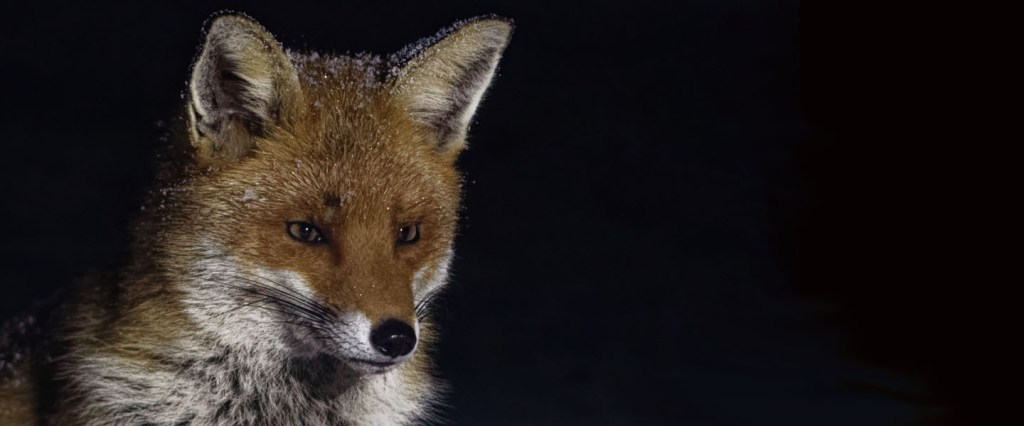
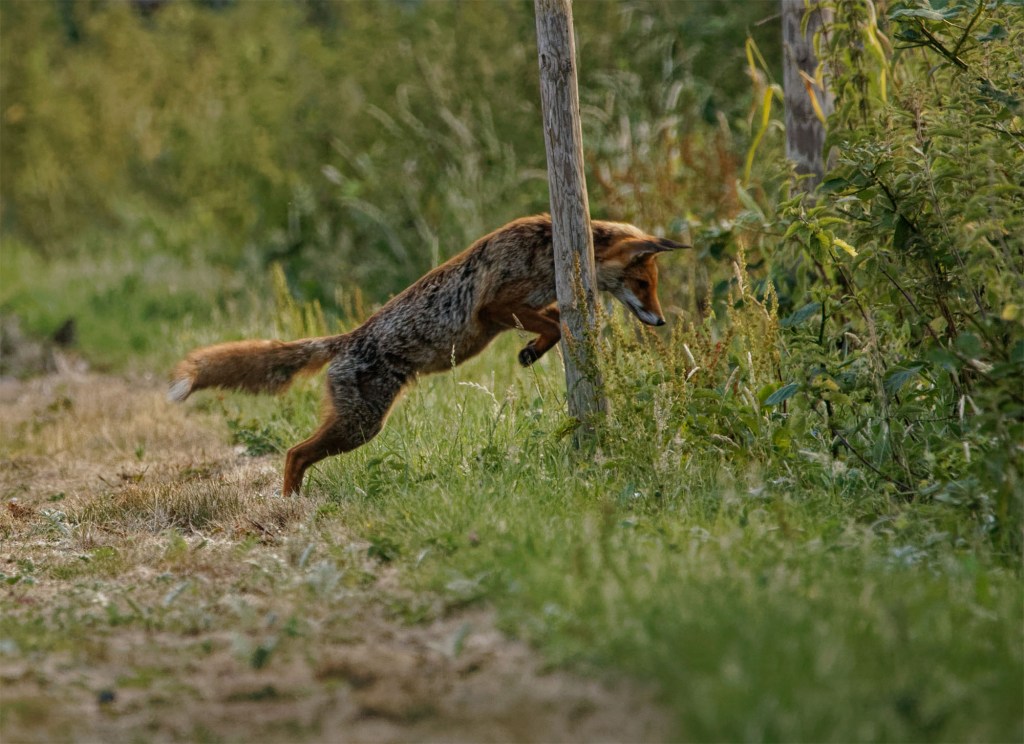
Foxes, too, find purposes for hazel.
It’s a little unusual to see two male foxes wander through the wood together without conflict; they are probably brothers, and cubs from this year judging from their lanky build and smooth coats. But they are outdone by the third fox, who rolls into the scent-marked hazel, biting it as she does so. I have seen foxes assault vegetation a few times but usually in the heat of an argument with another fox. They have glands around their chin and jaw and it is likely that the biting behaviour is helping to leave her scent on the tree.
Hazel itself, of course, simply gets on with the business of living, regardless of the uses that people and animals might find for it. And looking within its withering leaves now, baby catkins are waiting for their moment of glory in late winter.

Even a rainy November cannot stop the turn of the seasons.



 A Walk with Wildlife
Leave a comment