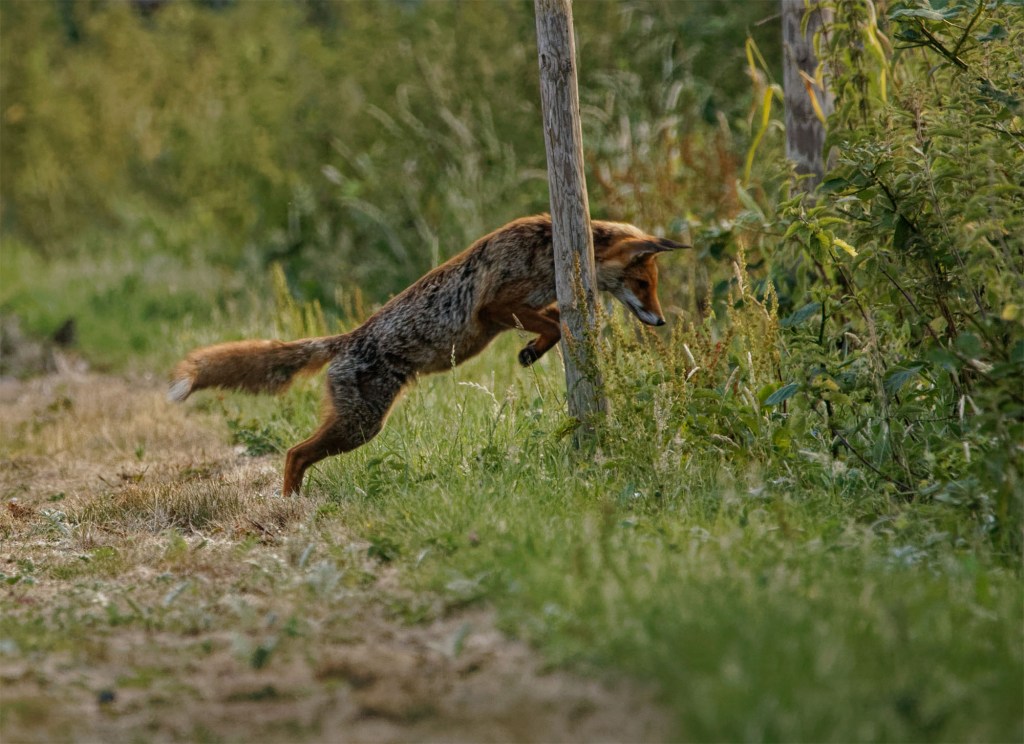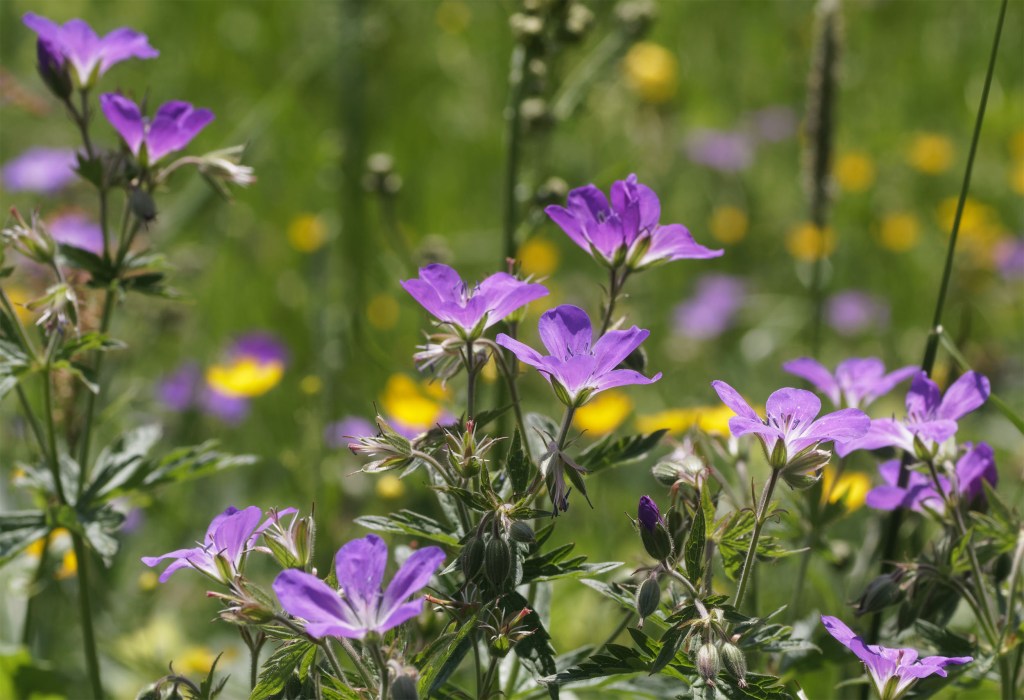
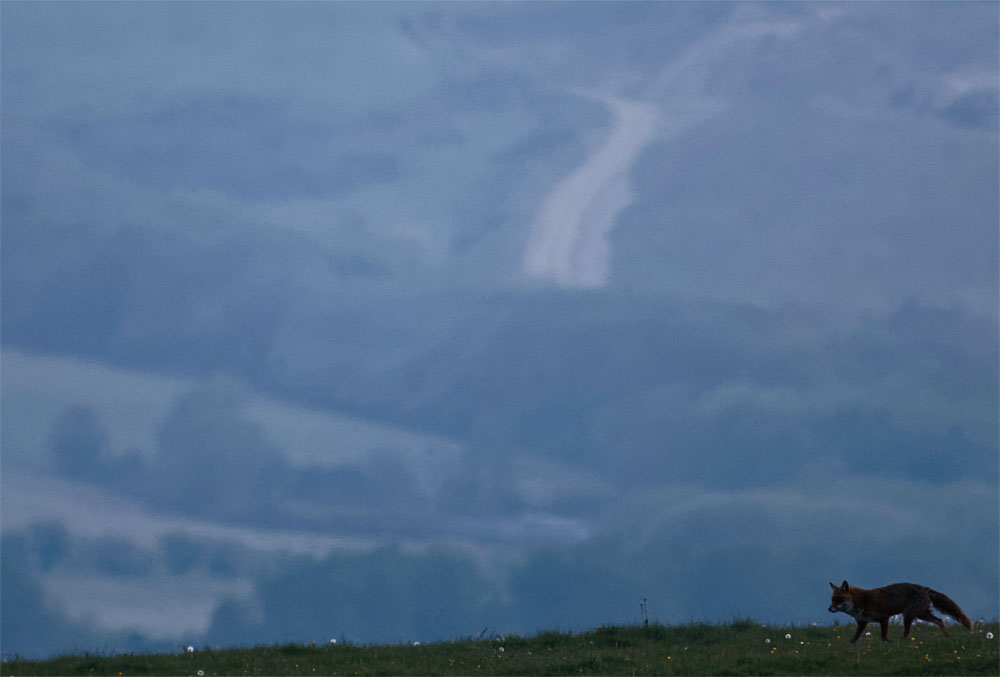
They have the stature of wolves in the eyes of some. A fox from afar is all legs and thick brush, a silhouette under the streetlamp or a splash of orange on a hill. In a trick of perspective that would please a creative film-maker, the further away they are, the harder it is to gauge their size. And our minds tend to round upwards in our doubt.
This morning, I looked out my lounge window to see a slender figure tread on noiseless paws towards the bird bath. So small was she that for an instant I thought she was a ginger cat – but no: vulpine eyes, vulpine busyness amidst the grey February drizzle.
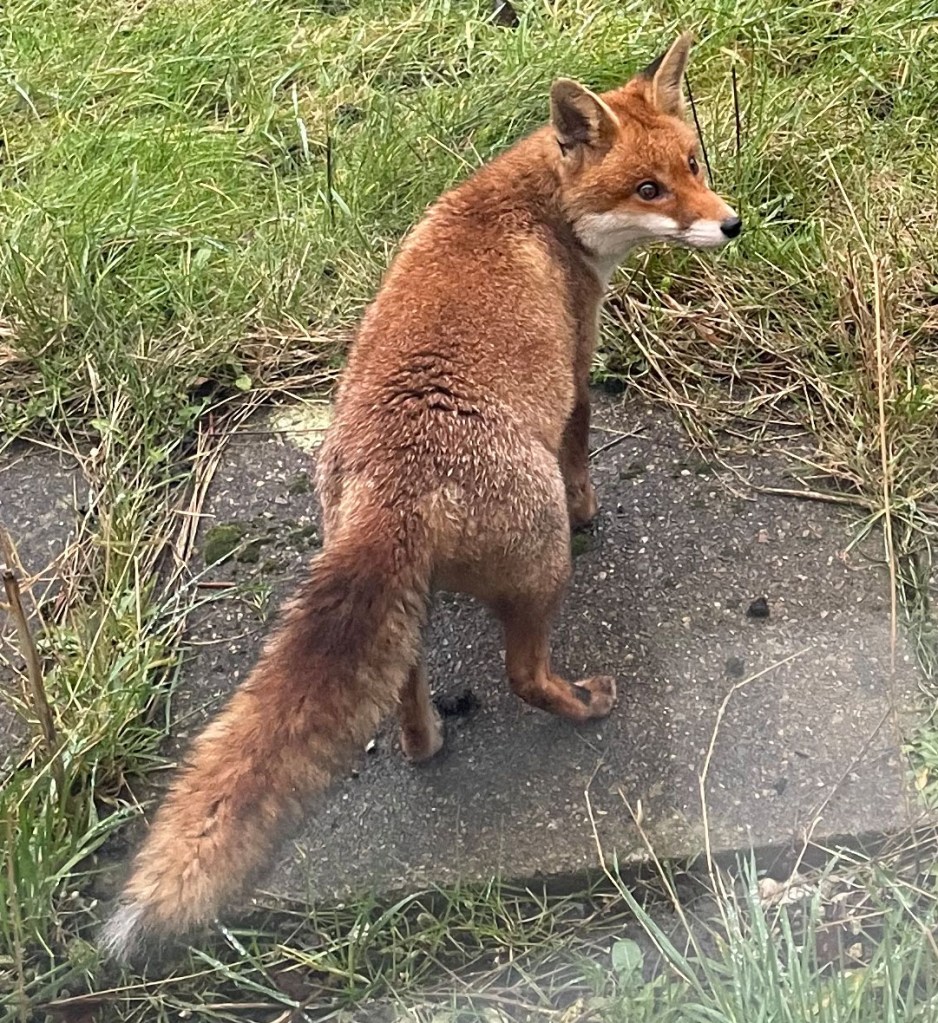
I measured the paving slab after she had gone. It is only 58cm – about 22 inches – across, and she could curl up within a quarter of it. Her weight? A few pounds, I would guess. Nothing most of us couldn’t hold in one hand.

Every now and again, I see miniature foxes like this. Some may be litter runts who survived to adulthood. One whom I knew well was ‘Tiny Tina’, an orphan who came to me for fostering alongside her four adopted – and normal-sized – siblings. She liked climbing to the very top of the cat play tower I gave them and sleeping there, far above them all.

But what is average for a fox? It is not an easy question to answer because – despite their maverick nature – foxes do obey one rule: Bergmann’s Rule, the general principle in nature that a species becomes bigger in the far north and south of the globe. Foxes in Scotland, Norway and other northerly realms are larger than those in south-east England, and dwarf their cousins in the Mediterranean.

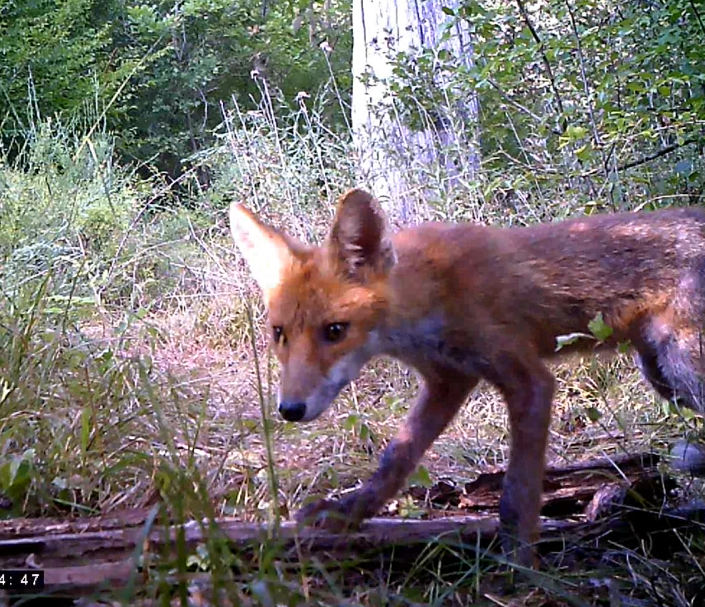
I caught this fox on a trail camera in Krka National Park in Croatia some years ago, and as befits Bergmann’s rule, it is small and slender. Its long limbs, short coat and huge ears help it cope with the searing heat of this very hostile ecosystem.
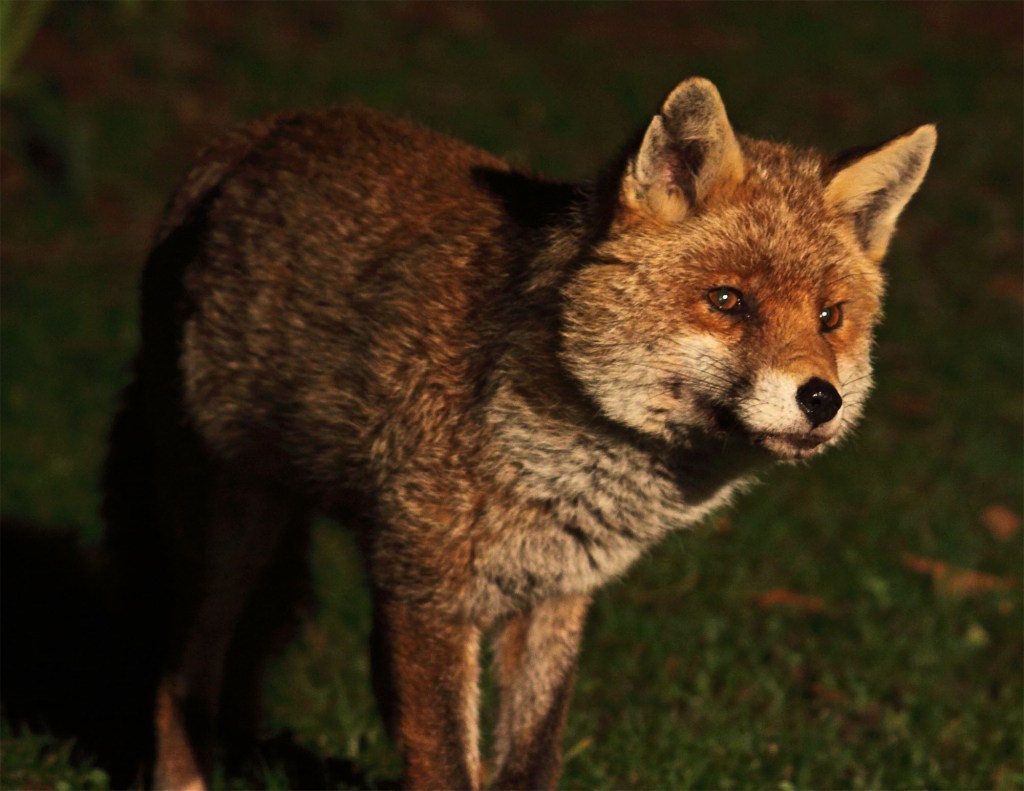
It certainly seems petite compared to this large male fox from Surrey, who wandered through the garden many years ago.
In terms of an average, published data in The Mammals of the British Isles by Harris and Yalden say that a typical English vixen is 62.7cm (24in) long (plus tail) and weighs 5.4kg (12lb). For dogfoxes, it is 67cm (26in) and 6.7kg (14lb). Very occasionally, individuals topping 13kg (30lb) have been reported.

It does matter, somewhat, to the fox; certainly for males, where larger stature gives an advantage in fights. But for my little vixen, her cat-like dimensions may aid her in being overlooked by any passing people. She still has her paths to walk, like all foxes great and small.

32 responses to “Optical Illusion”

  1. These are great images Adele, especially the first one! I didn’t realize there was such a difference in size and body to adapt to climates.

    Liked by 2 people

    1. Thanks Brad. Red foxes are a great example of this because they have such an enormous natural range, from the edge of the Arctic down to Saudi Arabia and southern Asia. There’s a fox for (almost) every climate and it’s amazing to see their adaptations.

      Liked by 1 person

  2. Nice for me to learn something new: Bergmann’s Rule. Great contrast between Croatian and Surrey foxes. And

    Liked by 1 person

  3. … (And) the story of your little fox is charming, as are the photos, as usual.

    Liked by 1 person

    1. Thanks Bridget. It was a thrill to look out the window this morning and see my garden had such a beautiful guest.

      Like

  4. That second-to-last fox looks undernourished, poor thing. But they are beautiful animals (even if they cause a lot of mischief).

    Like

    1. It’s in perfect condition for a fox in the hot Mediterranean environment. Not thin at all. They are that shape because it helps them cope with extreme heat.

      Liked by 1 person

      1. Okay. That’s good to know. Thanks. Makes sense now.

        Like

  5. connoisseurteenage53e034045f Avatar
    connoisseurteenage53e034045f

    What a beautiful face!

    Sent from Outlook for Androidhttps://aka.ms/AAb9ysg

    Liked by 1 person

    1. Isn’t she pretty! I was inside of course but only two feet from her. Magical!

      Like

  6. Such an interesting post, Adele. The little cat-like fox who visited your garden definitely could pass for a cat; as you point out, excellent camouflage. I don’t know much about arctic foxes but they always looked very short and stocky to me and of course, a very heavy coat. I would say they likely aren’t much heavier than your foxes.

    Liked by 1 person

    1. Yes, so cat-like! I’m sure she is mistaken for a cat often enough when she’s out and about.

      Bergmann’s Rule (and the closely related Allen’s Rule) can only be really judged within the same species. We can compare red foxes in southern Europe with red foxes in the subarctic, but not with Arctic foxes, which are a different species. I suppose if Arctic foxes did exist in today’s relatively mild Britain, they would be smaller and have longer limbs, but in truth that’s a struggle to imagine because they are so specifically attached to one, very extreme climate.

      Liked by 1 person

      1. I just looked up some information on them and learned that they are much more specifically adapted than I first realised. They have fur on the pads of their feet and live in very large generational dens built inside glacial eskers. Amazing.

        Liked by 1 person

    2. They are the most extraordinarily little foxes. The distances they travel over the sea ice are also quite something. One was reportedly tracked walking over 2,000 miles.

      Liked by 1 person

  7. Well, I just learned more about foxes than I’ve ever known before. Thanks for all the work you do and fostering some of these animals. Do they live in groups or are they loners? Do you think this little one will find a family or strike out on its own till it gets older?

    Liked by 1 person

    1. Thanks for your nice comment 🙂 Foxes have a complex social life. Many live in family groups – a mated pair and their kits, and sometimes also adult female offspring from earlier years (who help to raise the kits). However, a lot of trespassing into neighbours’ territories goes on, and a fair number of foxes, especially young males, have no established home at all. They roam the landscape as nomads, but will take over an empty territory if they find one.

      This little vixen is an adult, just a very small one. I think she may actually have a mate because I’m aware of a male fox who also visits my garden.

      Liked by 1 person

      1. So interesting, Adele! Thank you so much for this additional information about foxes. And for the wonderful photos.

        Liked by 1 person

  8. I enjoyed your photos and learning more about foxes. I’ve only ever seen one from a distance 😊

    Liked by 1 person

    1. I hope you see more at some point 🙂 I probably give the impression that England has a fox on every corner, but although they are widespread throughout the country, they are much more abundant and visible in some places.

      Liked by 1 person

  9. Interesting to note the size difference related to climate. It makes sense.

    Liked by 1 person

    1. Yes, indeed. A simple but effective strategy to handle the world’s climate variations. I’ve not yet had a chance to watch foxes in the Middle East but the ones in Oman and Saudi Arabia are even more extreme than Croatian foxes in their tiny size, slenderness and enormous ears.

      Liked by 1 person

  10. Hello Adele,
    I enjoyed learning more about foxes thanks to you. I am glad you could get a view of the lady fox up so close, and it’s a treat for us too. Beautiful images as always.

    Liked by 1 person

    1. Thank you! Her visit was a lovely start to the day.

      Liked by 1 person

  11. I remember you mentioning in your book that the size of the fox is different from what we can see on a photographs. They just look bigger without any size reference. But first fox I ever saw in the wild was in Croatia back in 1980s and last time it was in Newfoundland several years ago. Even though two foxes in Newfoundland were just pups, they were bigger than I expected.

    And, yes, old dog fox….

    Liked by 1 person

    1. Interestingly, that can also be true of cats. There are many incidents in the UK of people reporting big cats on the prowl after seeing a domestic cat at a distance. Some have become a kind of folklore: the so-called ‘Surrey puma’ or the ‘Beast of Bodmin’.

      The only eastern Canadian foxes I’ve seen were in Algonquin Park, in Ontario. It would be interesting to observe them in the far north of their North American range.

      Like

      1. I remember you saw polar foxes in Svalbard. Are they much bigger than their southern relatives? And bigger than North American polar foxes?

        Liked by 1 person

    2. I’m not aware of any studies looking for size trends in Arctic foxes. I suspect that they probably don’t vary that much, or consistently, because latitude in this case is really a proxy for climate. Scotland is colder than England, and it makes sense for its red foxes to be bigger than ours. However, pretty much everywhere within the Arctic fox’s range has an extreme climate so their adaptations would be relevant across the board. But it would be interesting to know if the ones that endure the extreme winters of the high Arctic are slightly larger and stockier than those of, say, Iceland.

      Like

  12. I live on the edge of a village in Wales and have only caught sight of a fox on the wildlife camera I set up in the garden. I have seen one in a town though.

    Liked by 1 person

    1. Hi, welcome here 🙂 Yes, rural foxes can be much more elusive than those that live closer to people. Foxes that live in very remote areas with almost no people at all (wilderness Canada, for example) can also be quite fearless if they do see us.

      Like

  13. It is interesting that their stature varies depending on region and context (and also in in human perceptions!). Your photos convey so much about their character and exquisiteness. Thanks for sharing your insights. Your respect and affection for foxes is infectious.

    Liked by 1 person

    1. Thank you Carol. They are fascinating little things.

      Liked by 1 person

Leave a comment

Trending