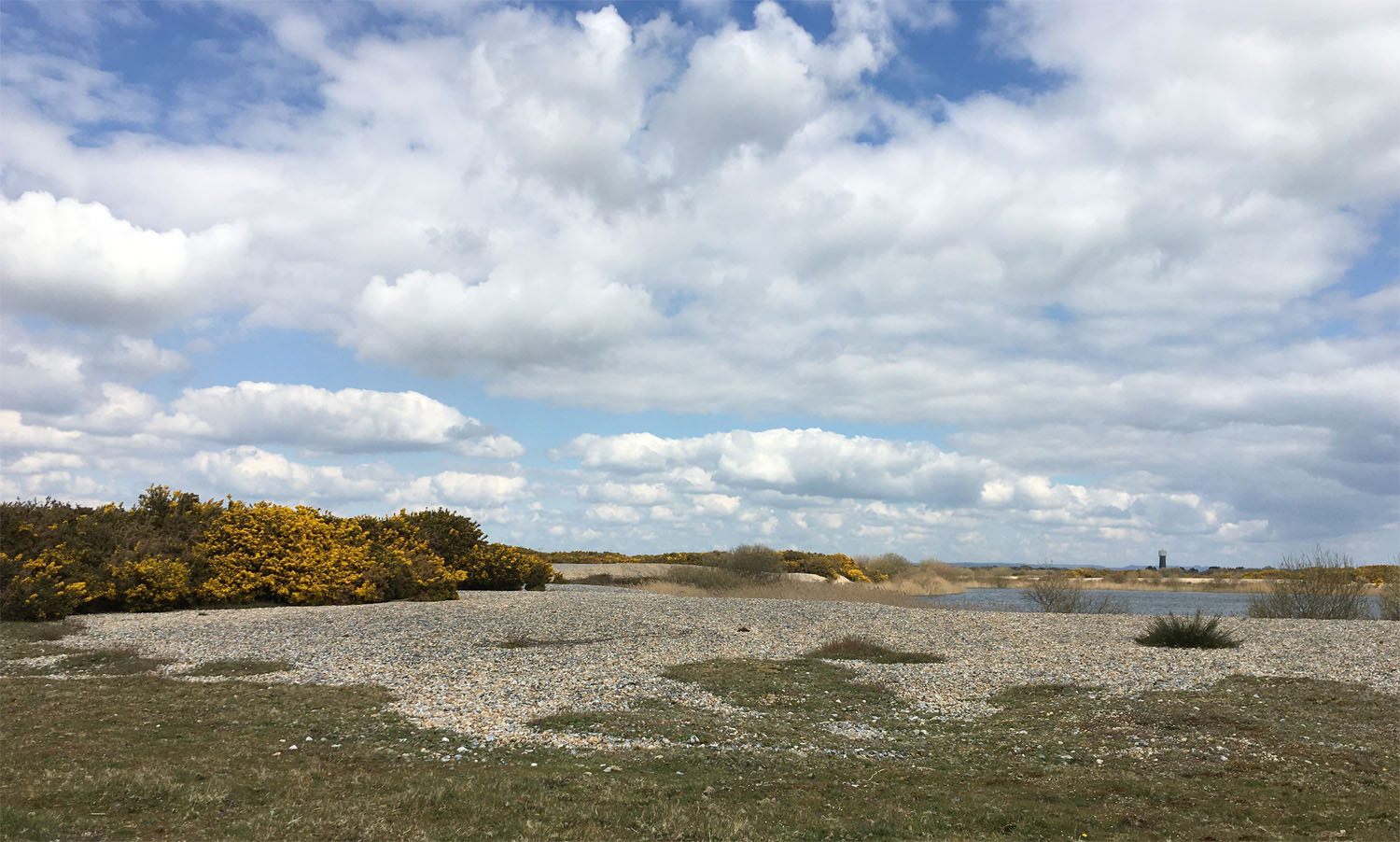
That artist being the Sea, of course, playing some kind of experiment on southern Kent. For the last 5,500 years, it has been building a bizarre headland of chunky shingle at Dungeness. Arid, harsh and flat, whisked by wind with attitude and flanked by nuclear power plants, you know when you’re there, and you never quite forget it.
Dungeness1

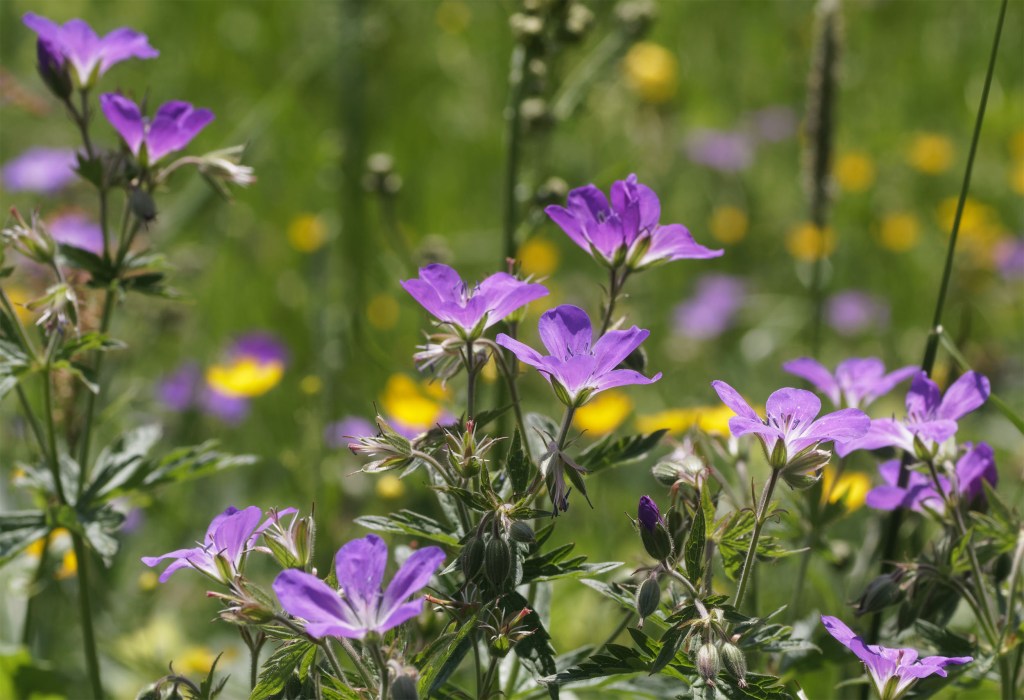
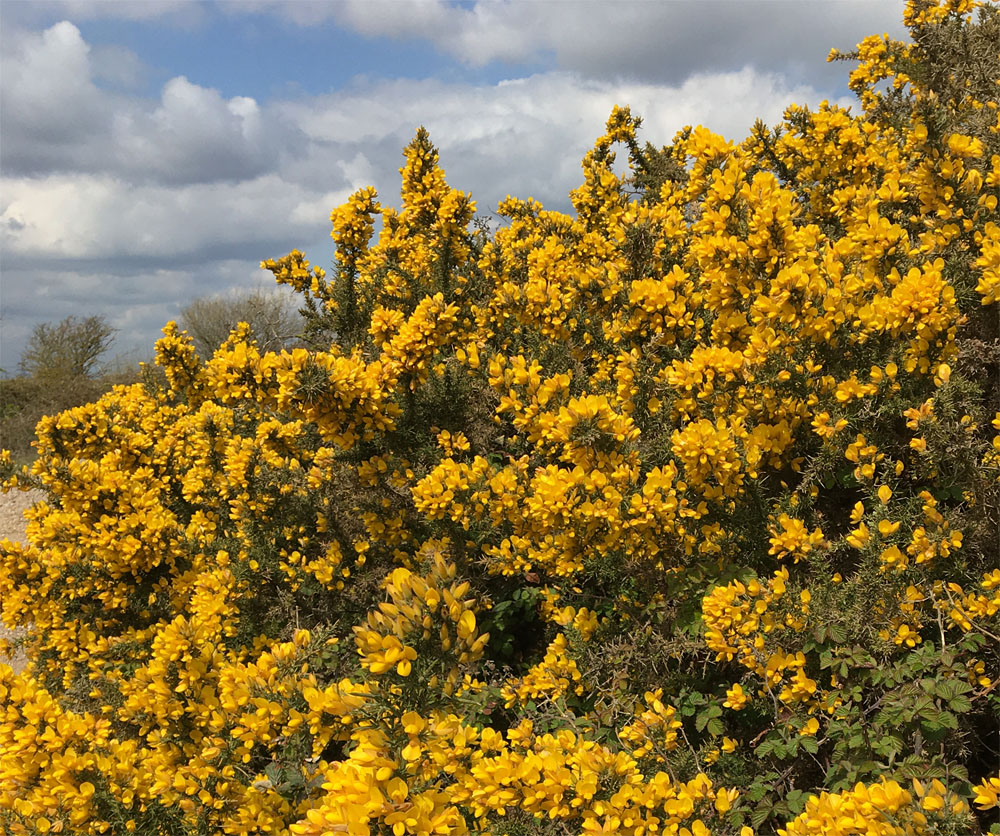
Spacious, but hardly lonely; an incredible 600 species of plants occupy Dungeness, supporting some extremely rare invertebrates. Bitterns boom from the reeds and warblers sing in the scrub.

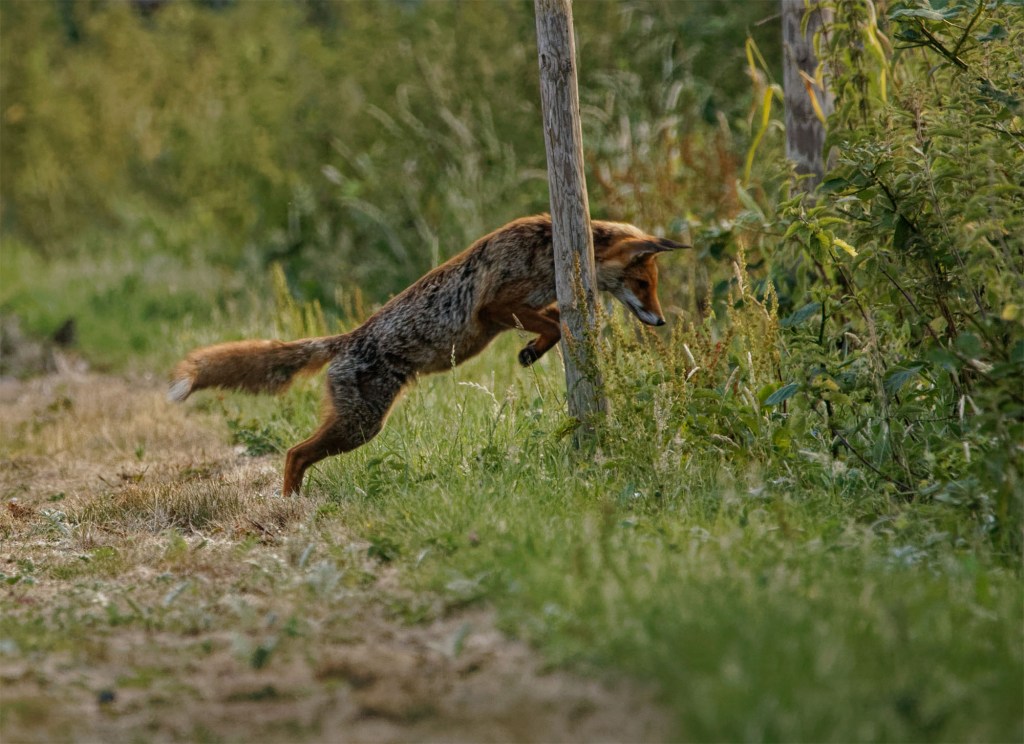
Colour is everywhere.

Dungeness2

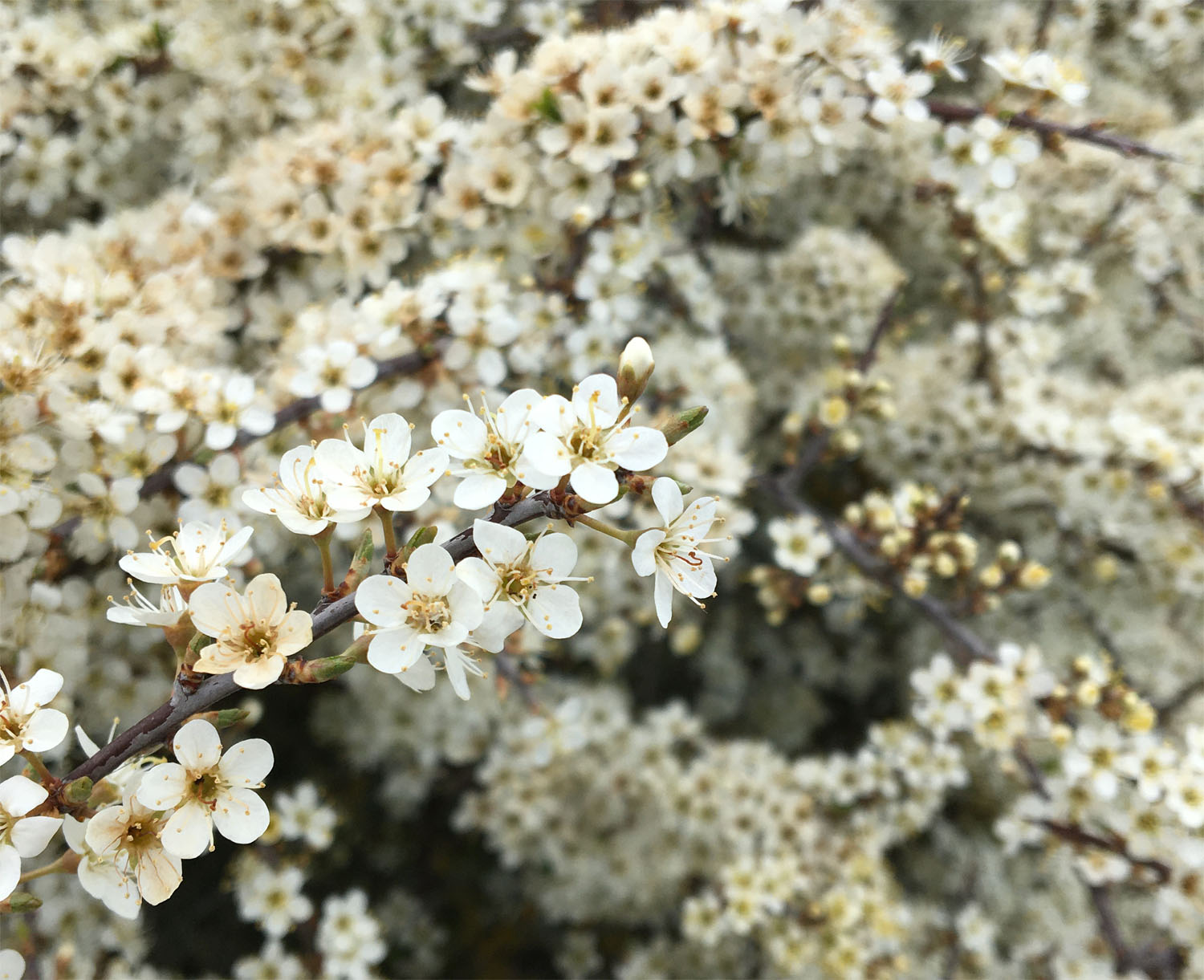
Blossom

Even in the legs and beak of a redshank.

Redshank Dungeness Apr 21

Birds must have been here since the sea started experimenting with the shingle. Dungeness is designated as a Site of Special Scientific Interest for the geology that underpins its wildlife as well as the species themselves. For the last few thousand years, shingle has been shoved into ridges by storm waves that form the flanks of a triangle, one that is still changing shape. Shingle forelands are uncommon globally and Dungeness is one of the best examples anywhere.

And yet, when you visit this wild and surreal place, you could be forgiven for forgetting that the rest of the world is even there.
Dungeness3

18 responses to “The Artist’s Laboratory”

  1. Difficult to believe that a landscape like that can exist in the south of England. Like another world, strangely beautiful. And with the added bonus of bitterns!

    Liked by 1 person

    1. Yes, the National Nature Reserve is well worth exploring but the rest of the headland is worth a wander too. Bittern ‘music’ is an appropriately strange sound for such a weird place!

      Liked by 1 person

  2. Stark, but as with all stark landscapes, life finds a way.

    Liked by 1 person

    1. it seems very determined to do so, despite weather, people and nuclear power stations! Despite its roughness, the shingle is ‘fragile’ in the sense that too much trampling can harm its plants so a boardwalk has been built in one place to allow people to see it without damaging anything.

      Liked by 1 person

  3. It is fascinating that life finds a way even in the harshest conditions. Beautiful landscapes, Adele!

    Liked by 1 person

    1. Thanks Eliza. You get the feeling with Dungeness that you could visit it a dozen times and still not learn all its secrets.

      Liked by 1 person

  4. There’s so much life near the sea. I love it!

    Liked by 1 person

    1. Life that was testing my ID skills! I know cetti’s warbler because its call is so distinctive (it sounds like it is saying: ‘Hey! Hey! I’m a cetti’s warbler!’) but the others…well, they hide themselves and sing. Heard lots and saw few, but that’s part of the magic.

      Liked by 1 person

      1. At least you were aware that they were there. I’m shocked by how often people go for walks and all they hear is their gadget. Even those who are not hooked by their Smart phones, very often don’t really “hear” the sounds of the birds. It’s as if it were just background noise. Very sad.

        Liked by 1 person

    2. Yes. I encounter walkers like that all the time on my local paths. They walk in the wild but they’re never really there. It makes as much sense as going to the cinema and having your back to the movie.

      Liked by 1 person

  5. Adele, I could certainly get lost there in the shingle!
    Great post and a great spot!

    Liked by 1 person

    1. It’s a great place to explore! As a surprise bonus, I saw France on the horizon on the way back. The first time that I’ve seen another country in what feels like a lifetime…

      Like

  6. I could spend a lot of time there, photographing birds 🙂

    Liked by 1 person

    1. Yes, there quite a few people with large cameras wandering about 🙂 The bird hides are still closed though due to covid restrictions. Hopefully they will be able to reopen soon.

      Like

  7. It does look like a magical place with a real wildness about it. I enjoyed your photos. The redshank is lovely and looks most intense while it forages.

    Liked by 1 person

    1. Yes, it’s undoubtedly one of the most important wildlife sites in England. The official papers explaining why it has Site of Special Scientific Interest are here: https://designatedsites.naturalengland.org.uk/PDFsForWeb/Citation/2000533.pdf

      Liked by 1 person

Leave a reply to Adele Brand Cancel reply

Trending