
Once upon a time, as I wrote last summer, there was an unseemly square of woodchips housing a few invasive plants under a crumbling canopy. It is easy to think ‘meadow potential!’ – but getting there has meant clearing up, bringing in over half a tonne of nutrient-poor soil, and a fair deal of time watching dry hot skies.
But it’s getting there. From this:
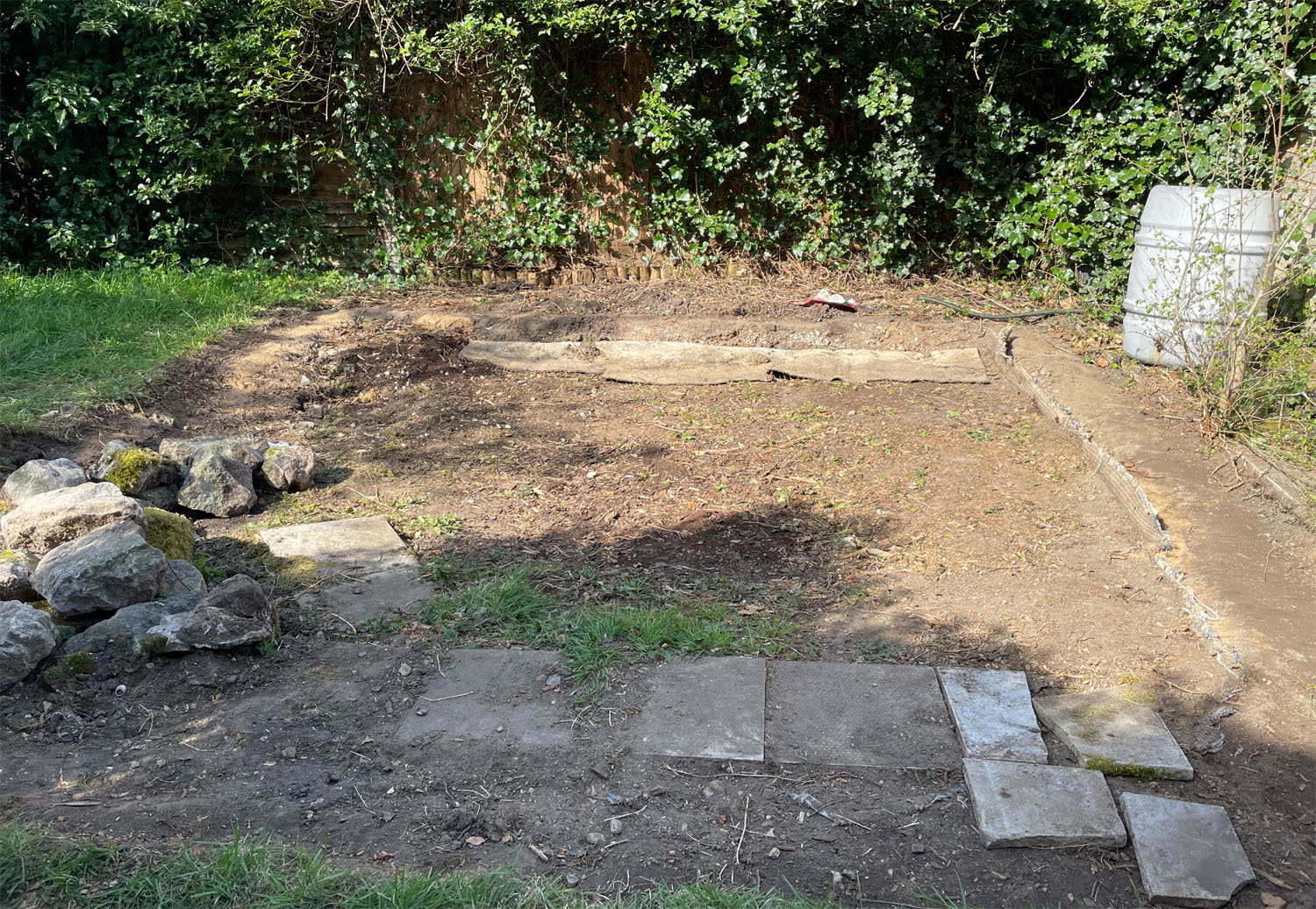
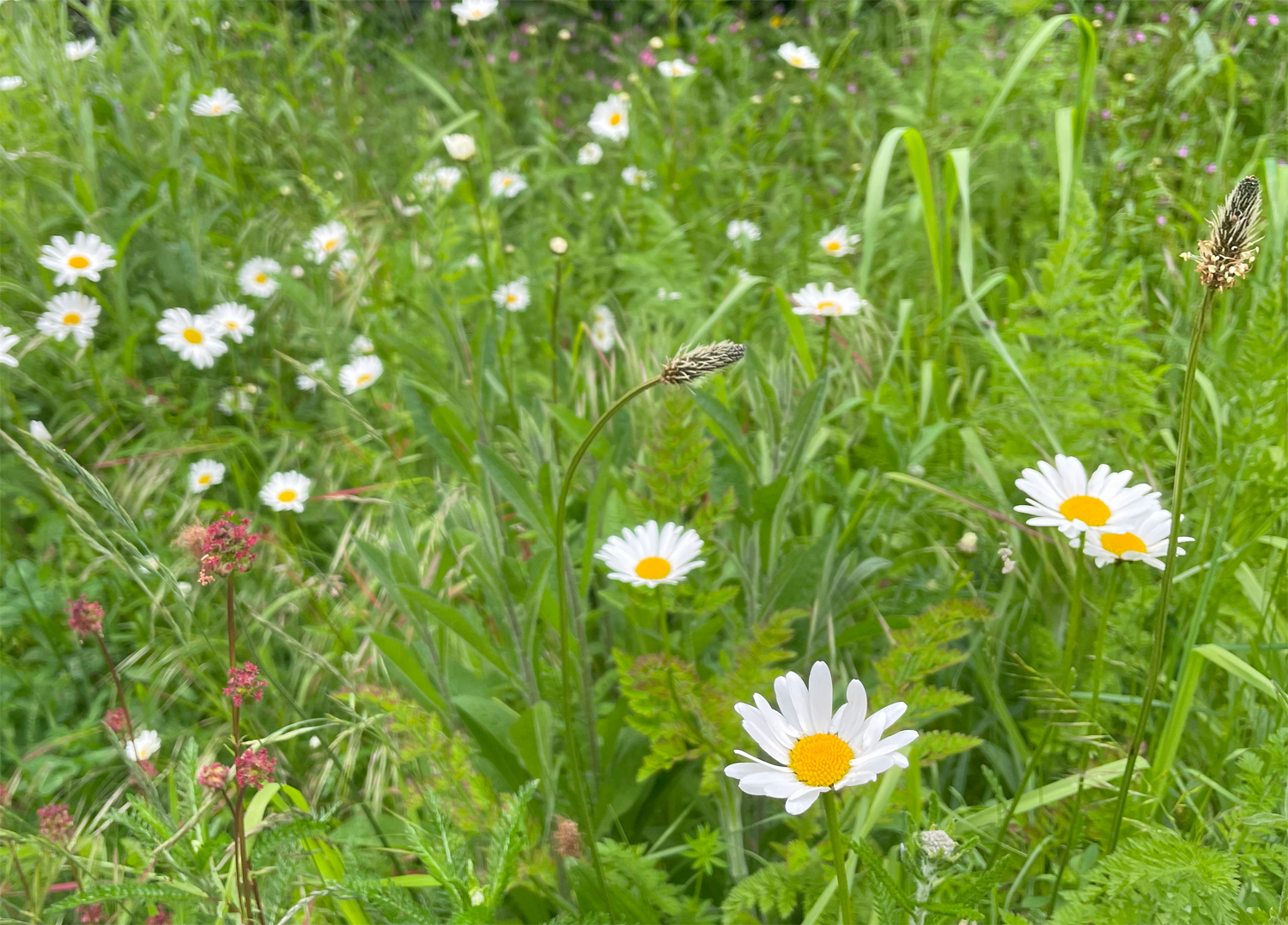
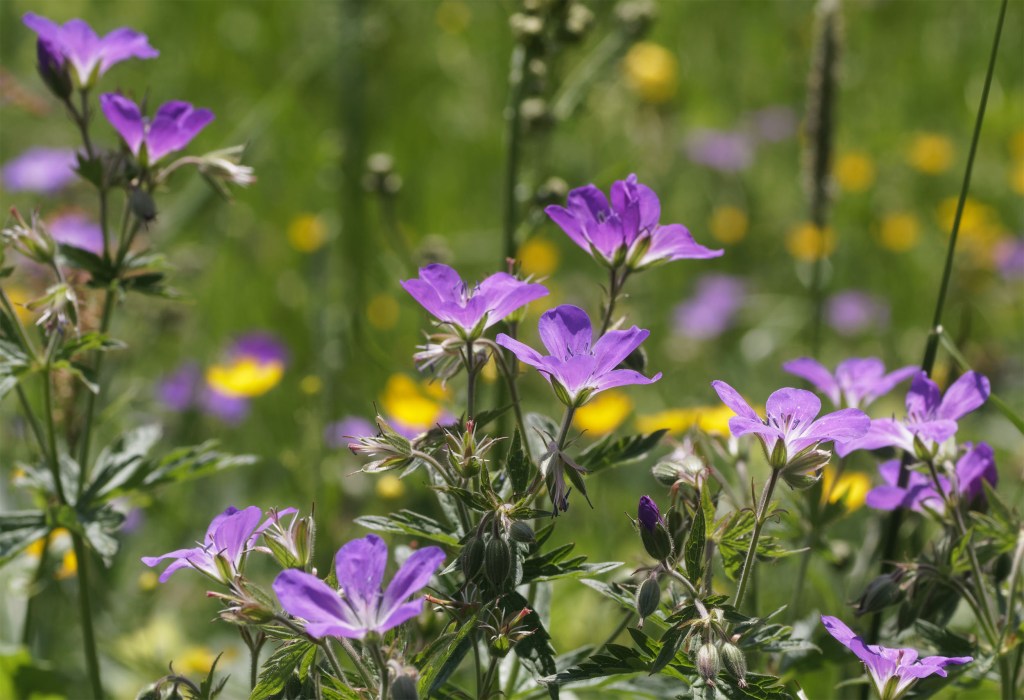
To now:

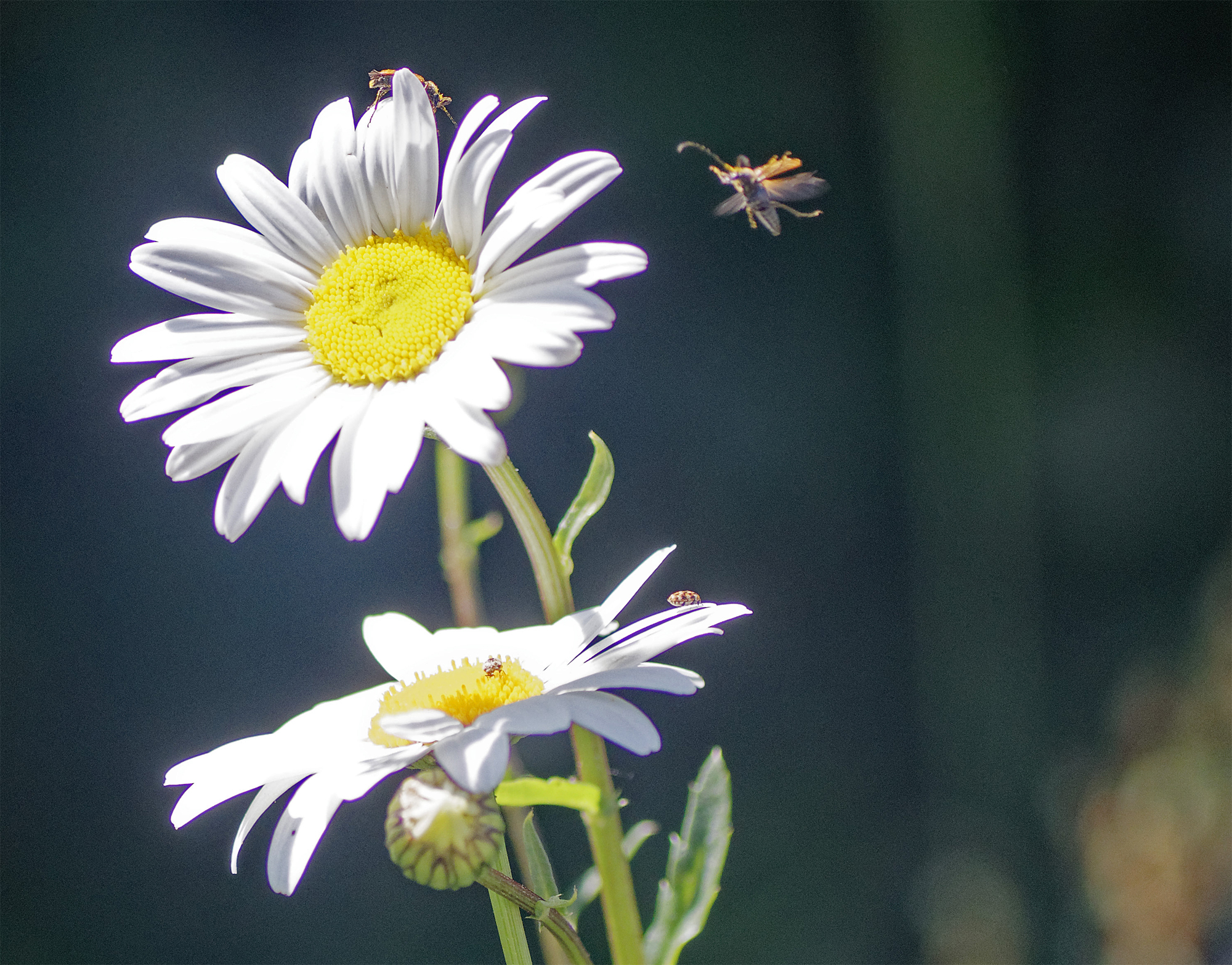
And it’s been found. Having a nearby wild grassland is certainly helpful, but even so, the buzzing things have been quick off the mark. Damselflies, dragonflies, butterflies, beeflies, hoverflies – and many others that are reminding me that I need to get much better at invertebrate ID.
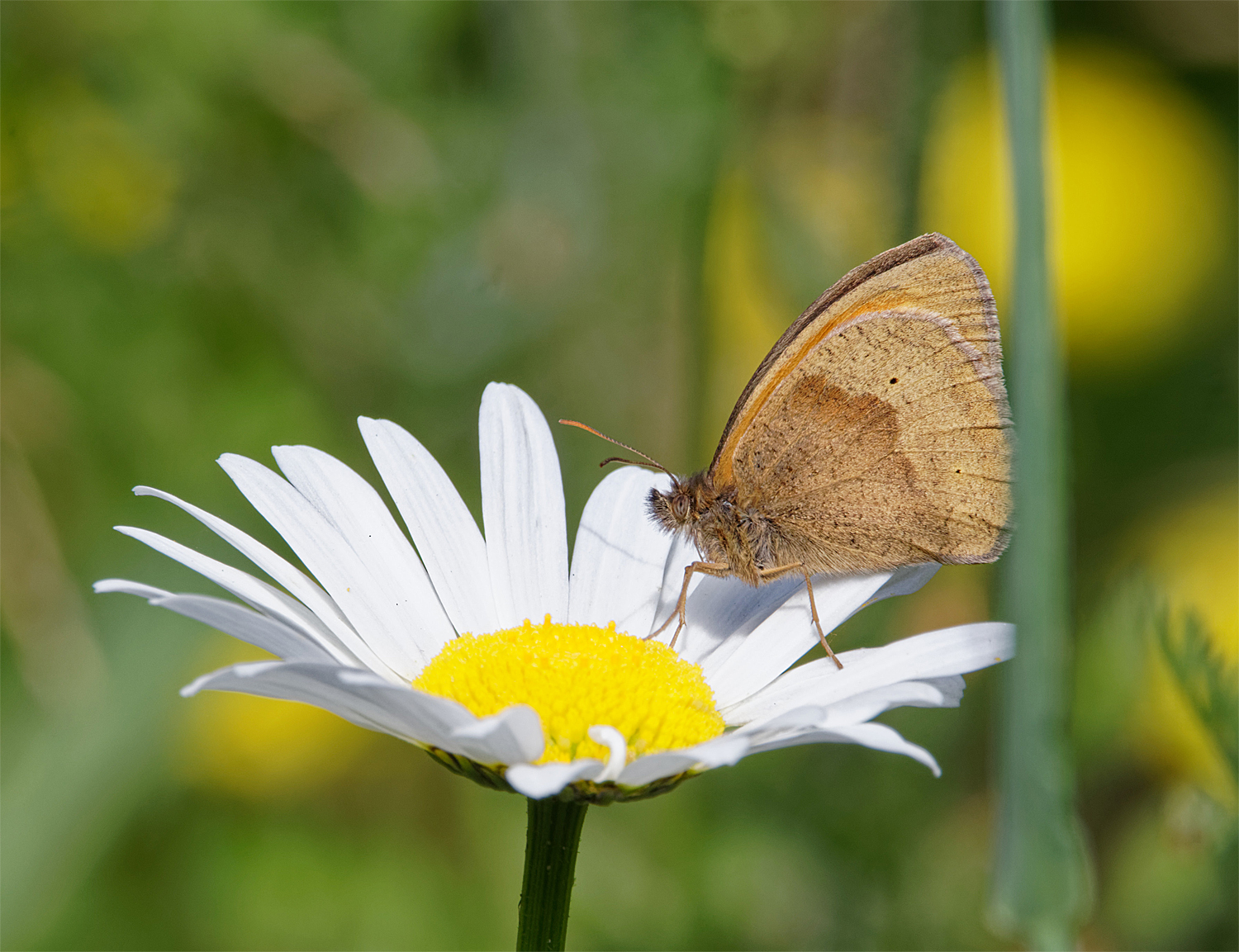
This, at least, is a meadow brown.
I’m pleased with it, although it might take a few more years for it to properly bed in. From a wider ecological perspective, a garden meadow will never compensate for the threats to the remnants of England’s semi-wild grassland – it is an oft-quoted statistic that 98% of our lowland meadows have been destroyed – but they do clearly benefit wildlife, and in a more balanced, habitat-grounded way than simply putting out birdfeeders. And of course, they are lovely to share the garden with.
Some advice for anyone else considering such an idea:
- Commercial seedmixes are often advertised as ‘meadow’ when they are really just a mishmash of colourful plants that wouldn’t naturally be found together. Some of them even contain non-native species. Emorsgate and Landlife Wildflowers seem reasonable bets (I have no connection with either).
- Make sure that the area isn’t already important for wildlife. Old mossy lawns can be great for fungi and a few gardens may have rare, or even legally protected plants hiding in quiet corners.
- There is no use planting a meadow in a lawn; wildflowers are overwhelmed by ryegrass and will be lost, even if they manage to germinate. Stripping out the topsoil and bringing in low nutrient soil is the easiest way.
- Spread seeds thinly. Otherwise a few fast growing species take over.
- Keep the sward (the generic term for flowers plus grasses) fairly low in the first year, and cut once a year after midsummer thereafter. It’s important to remove all the cuttings because otherwise they’ll rot down and increase the nutrient levels in the soil.
And then, just see what happens.



 A Walk with Wildlife
Leave a comment