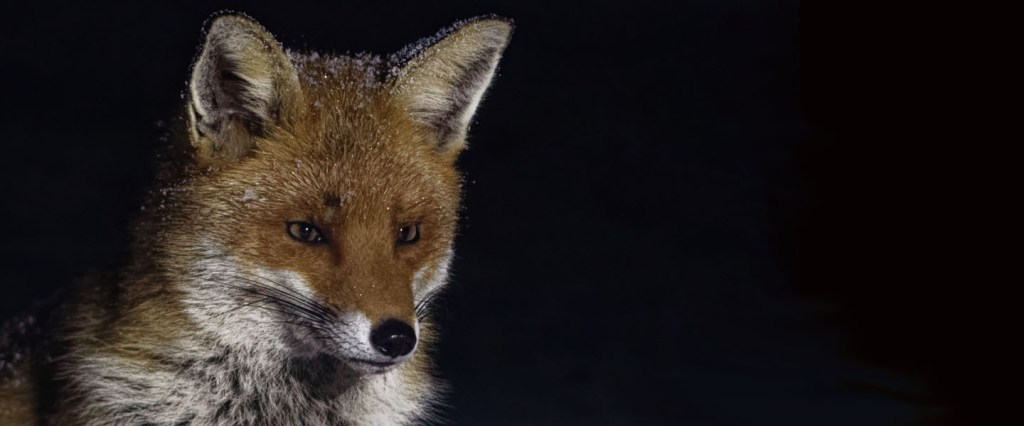
Also from 2024: here is a tree. It towers over me, but knows its smallness under the sky.
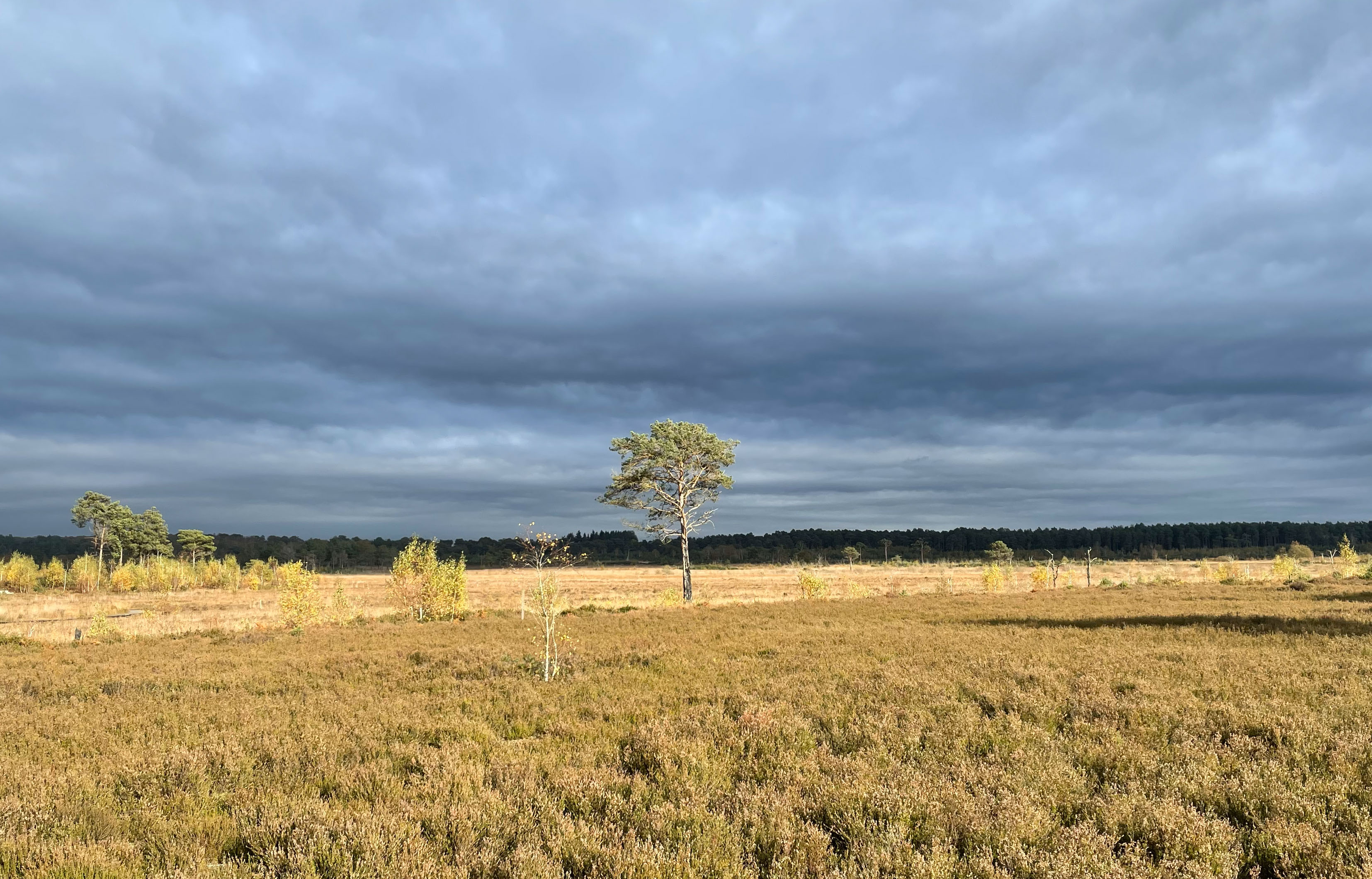
Welcome to Thursley.
Welcome to where the land tries to cover its sandy skin with heather – a rustic cloak to be sure, bright purple in its season and rough enough for rain and sun.
Several thousand years ago, humans signed a contract with nature here. A symbosis was born – people exploited nature to graze cattle and cut turf, and nature exploited the niches opened by people. Today we have a semi-natural ecosystem that still partly leans on human management and yet supports internationally significant wildlife populations.
And it looks up, always up, past pine trees into a restless sky.
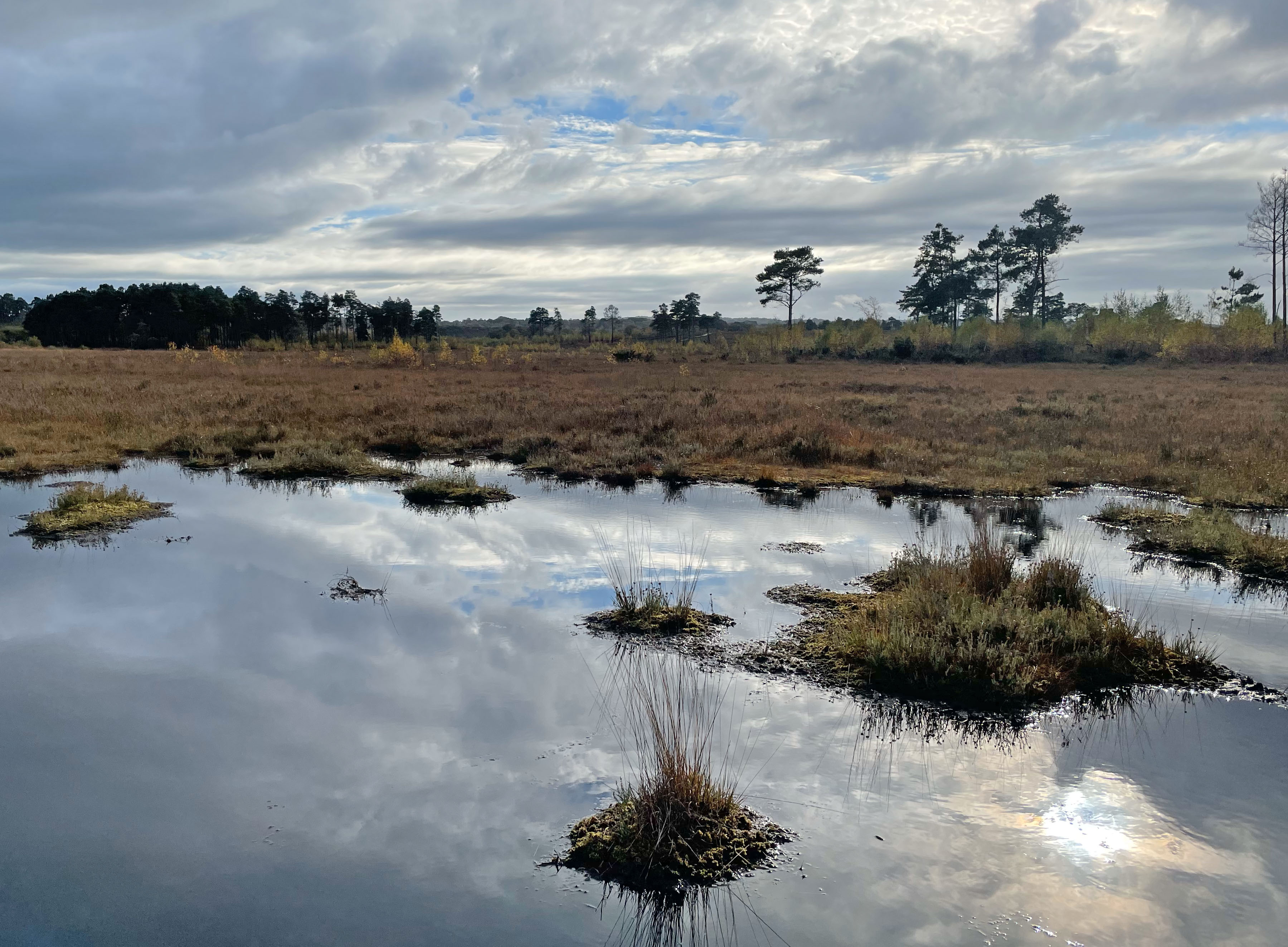
Thursley is one of Surrey’s gems, grandly taking its place on England’s list of National Nature Reserves. I have tried to explain before why we have such a confusing variety of protected site designations in the UK, but suffice it to say that our official National Parks (such as the Lake District in Cumbria) are mostly about landscapes, and it is NNRs like Thursley which are closer to what is known as a National Park in many other countries.
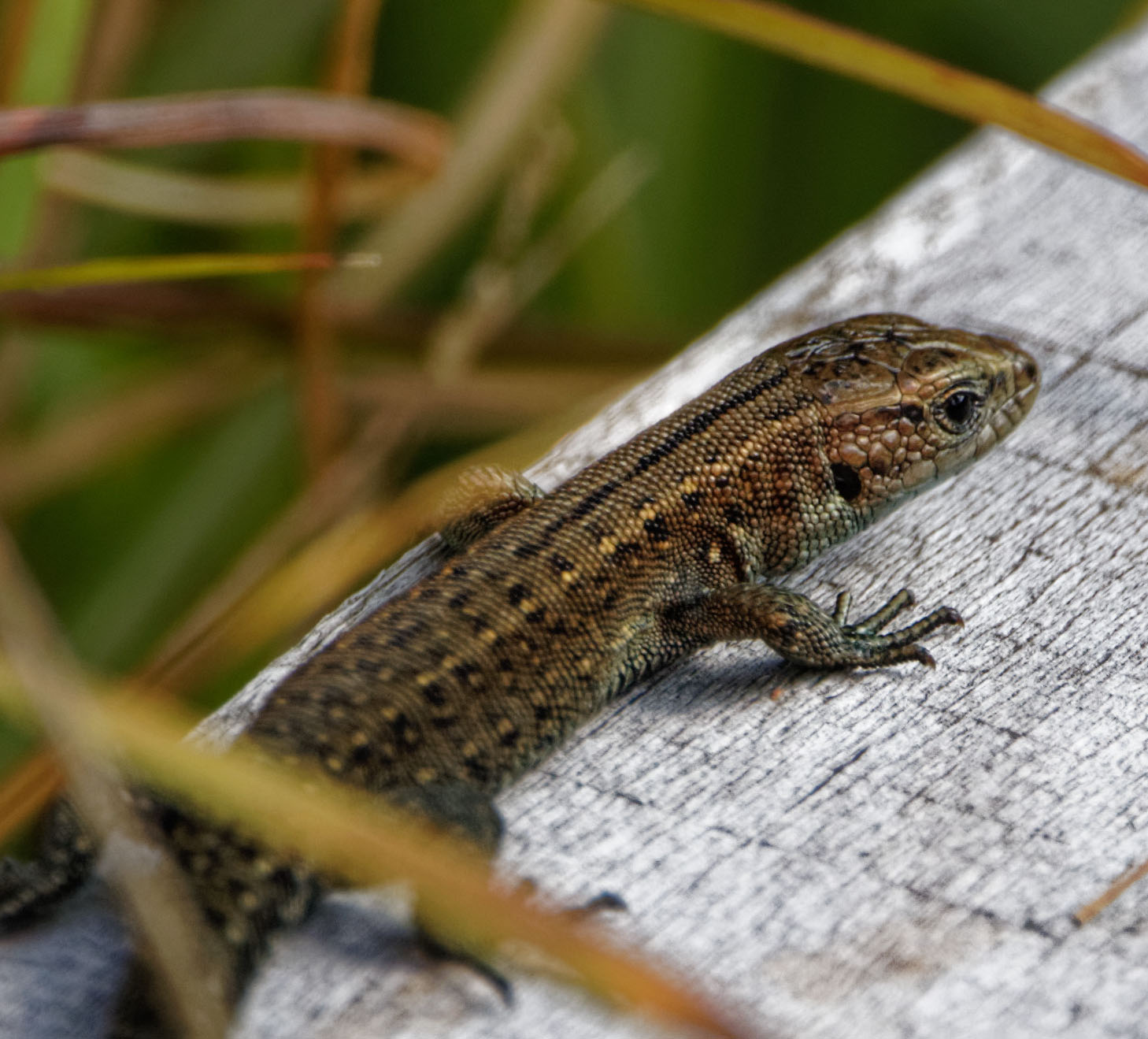
It is full of life, and most of it is below the height of human knees.
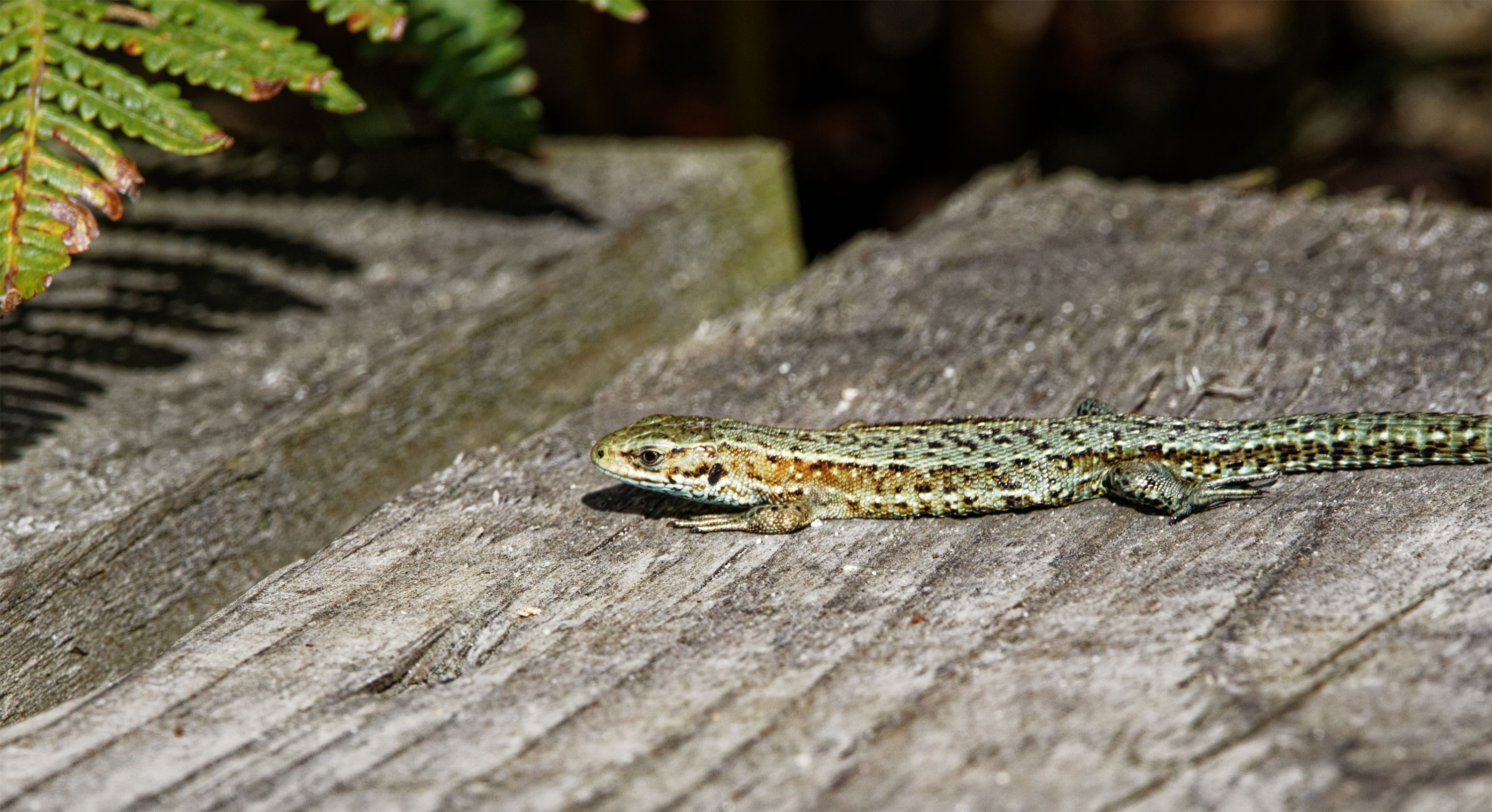
Common lizards
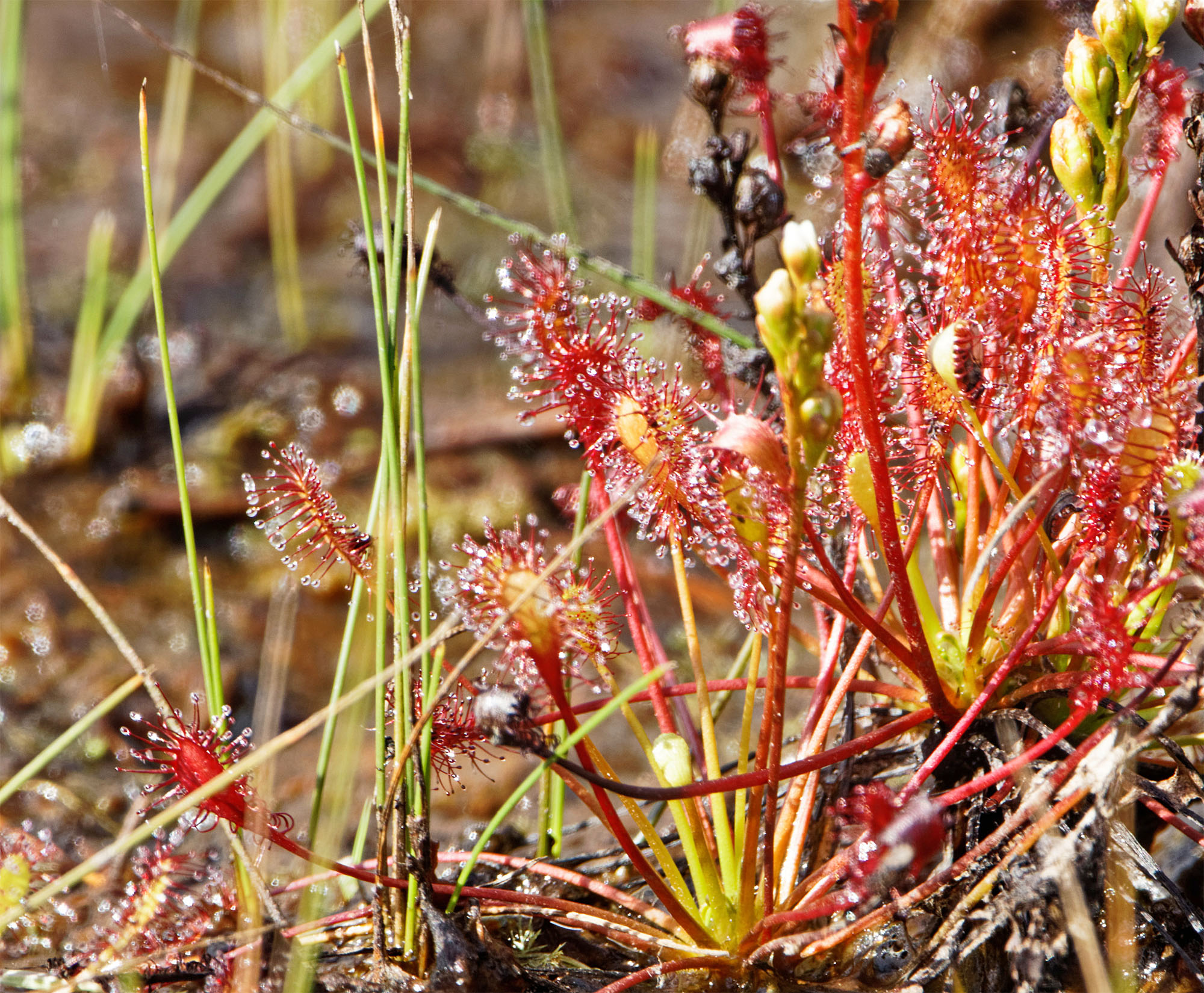
And much is just a bit…different. Sundews are carnivorous plants that capture insects on their sticky leaves and digest them.
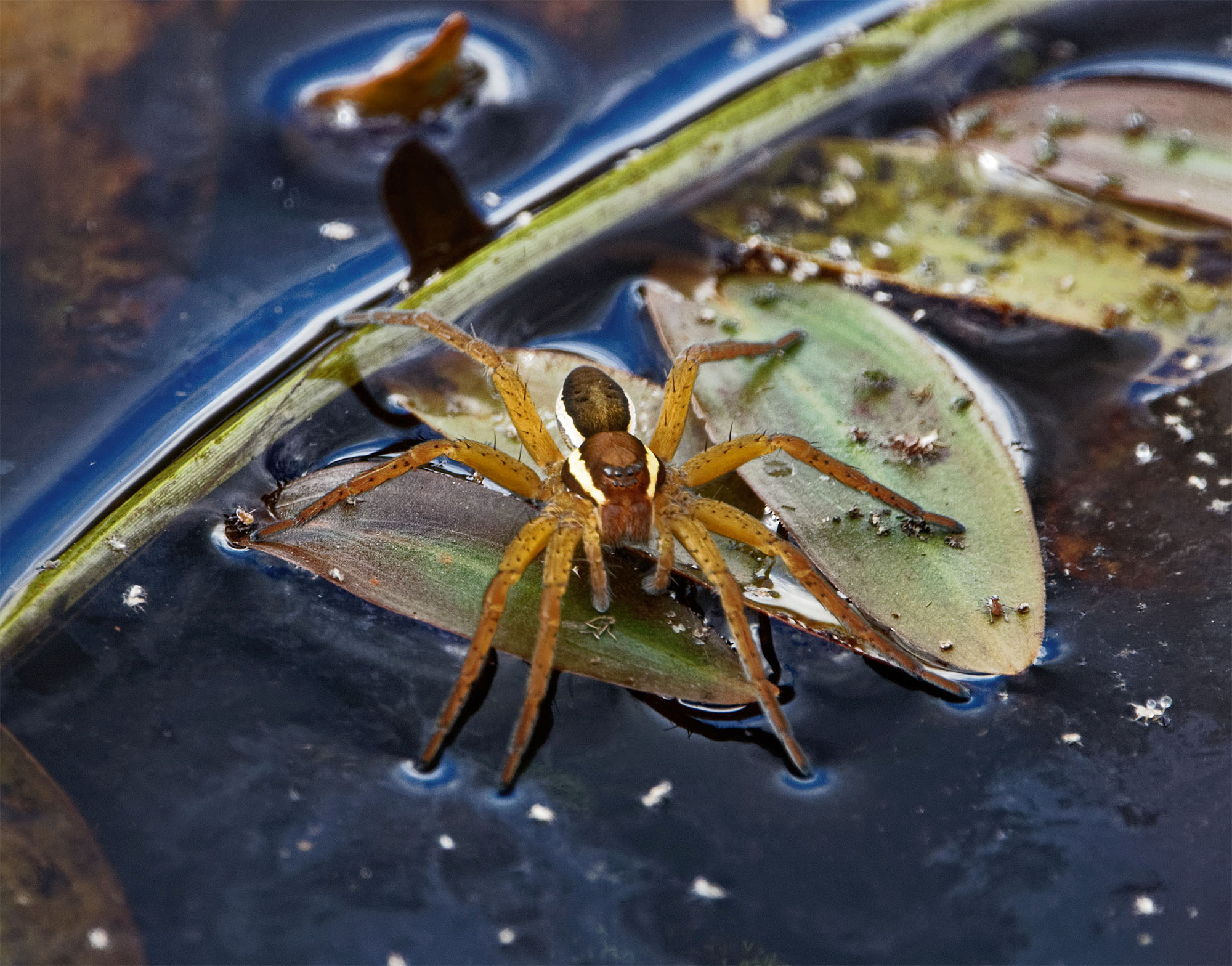
Any insects that evade this fate may wish to contemplate eyes on the water. Raft spiders, one of our largest and most handsome arachnids, loiter with intent.
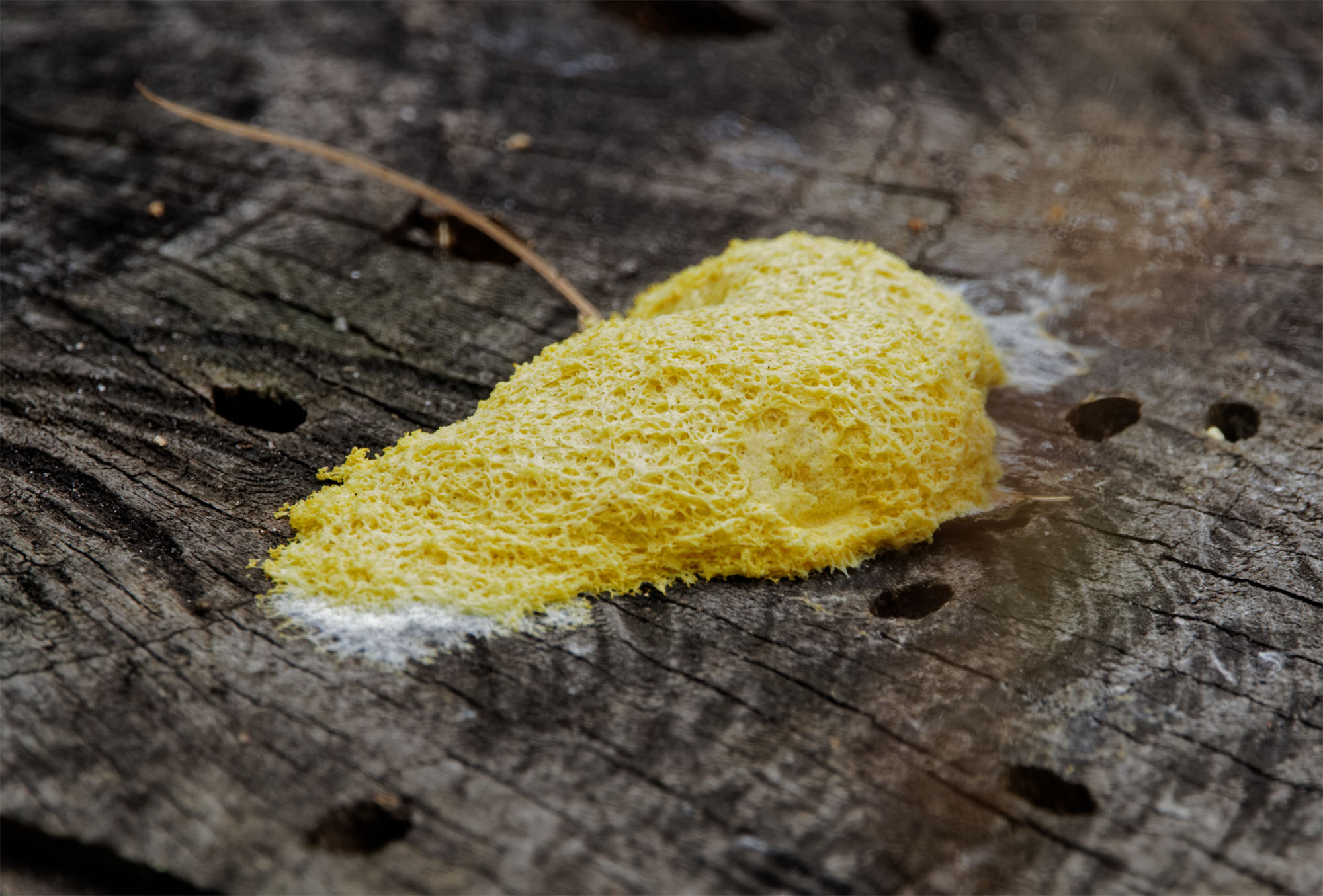
Slime moulds, perhaps the oddest of all British wild species, slide around quiet corners. These are inexplicable members of the Kingdom Protista – basically a catch-all for life that doesn’t fit elsewhere – and some scientists argue that they show intelligence, despite lacking a brain or nervous system.
Whatever they are, they are under the same sky as us.



 A Walk with Wildlife
Leave a comment