Happy new year. Well, sort of new. The Earth is on its orbit whether humans mark its passage or not, but December 31st is of course where we draw our line, and ring out the church bells – or, these days, set off fireworks. Personally, I would rather we kept to the bells, which cause much less stress to pets, livestock and wildlife.

But out on the downlands, there is peace: a strange sprinkling of colour, speaking not only of the future but the past.
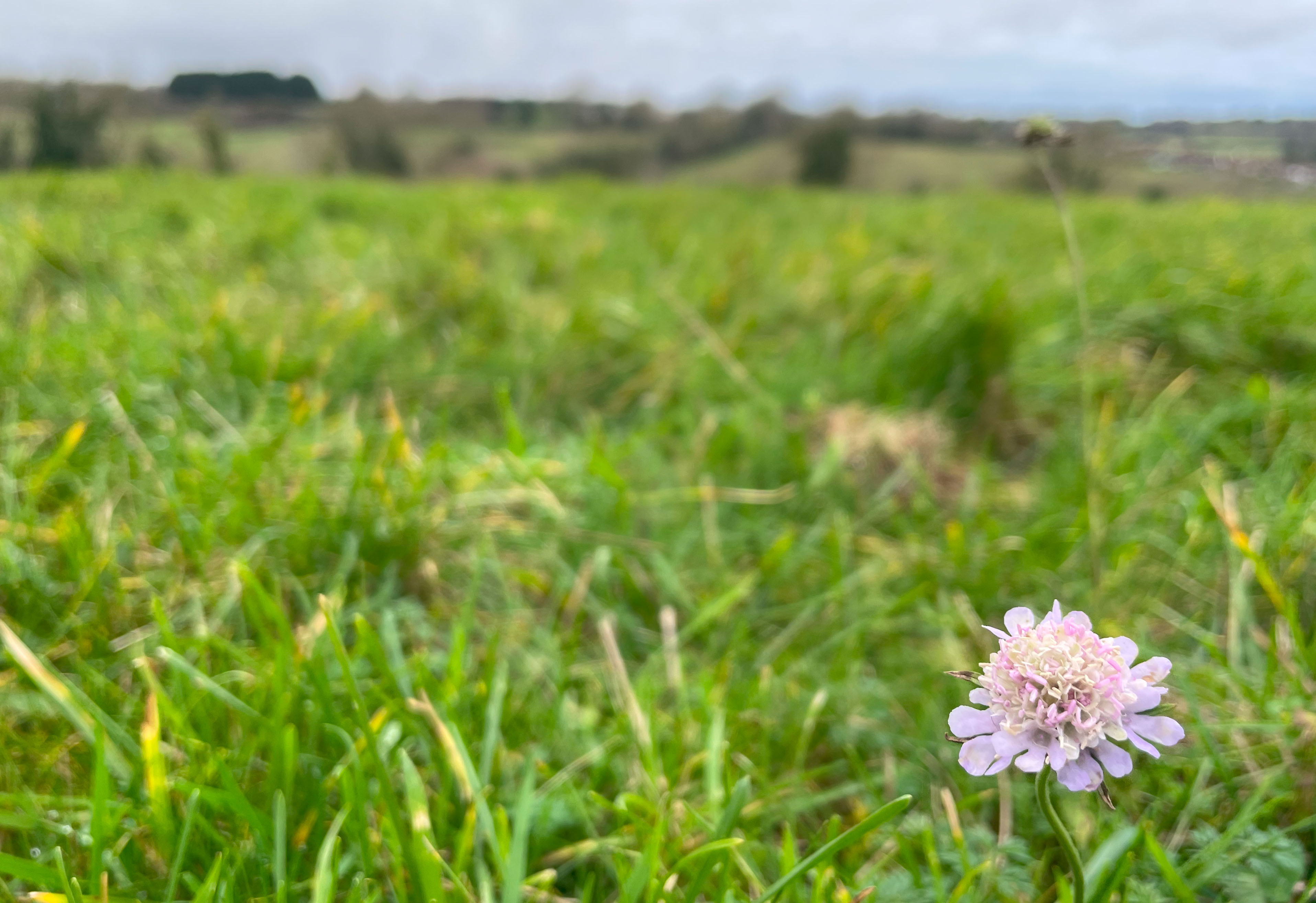
Scabious 31 Dec 24

A small scabious Scabiosa columbaria, clinging brightly to the chilled grasslands even on New Year’s Eve. Its imprudence in persisting deep into winter is a reminder of last autumn and a promise of next spring. It grows because of the past – because this chalky ridge has been farmed in traditional ways since the Celtic era. This scabious and the hundreds of thousands of other wildflowers here are a living, wind-danced diary spanning millennia. They make no sense without that history, and nor can there be any hope for future butterflies and crickets without them.

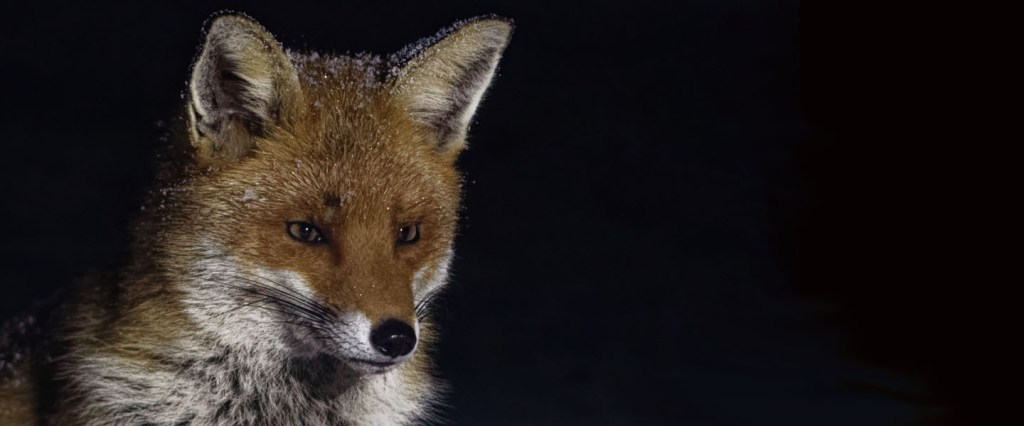
Today the rain lashes the window and there is no prospect of photographing either flowers or foxes. But I have been thinking about this shot, which I took on New Year’s Day a few years back. Fox in the mist, no doubt looking for a mate as they always are in this season. The dog foxes are splendid at present in their thick winter coats, and the vixens slip across lamplit roads like shadows.
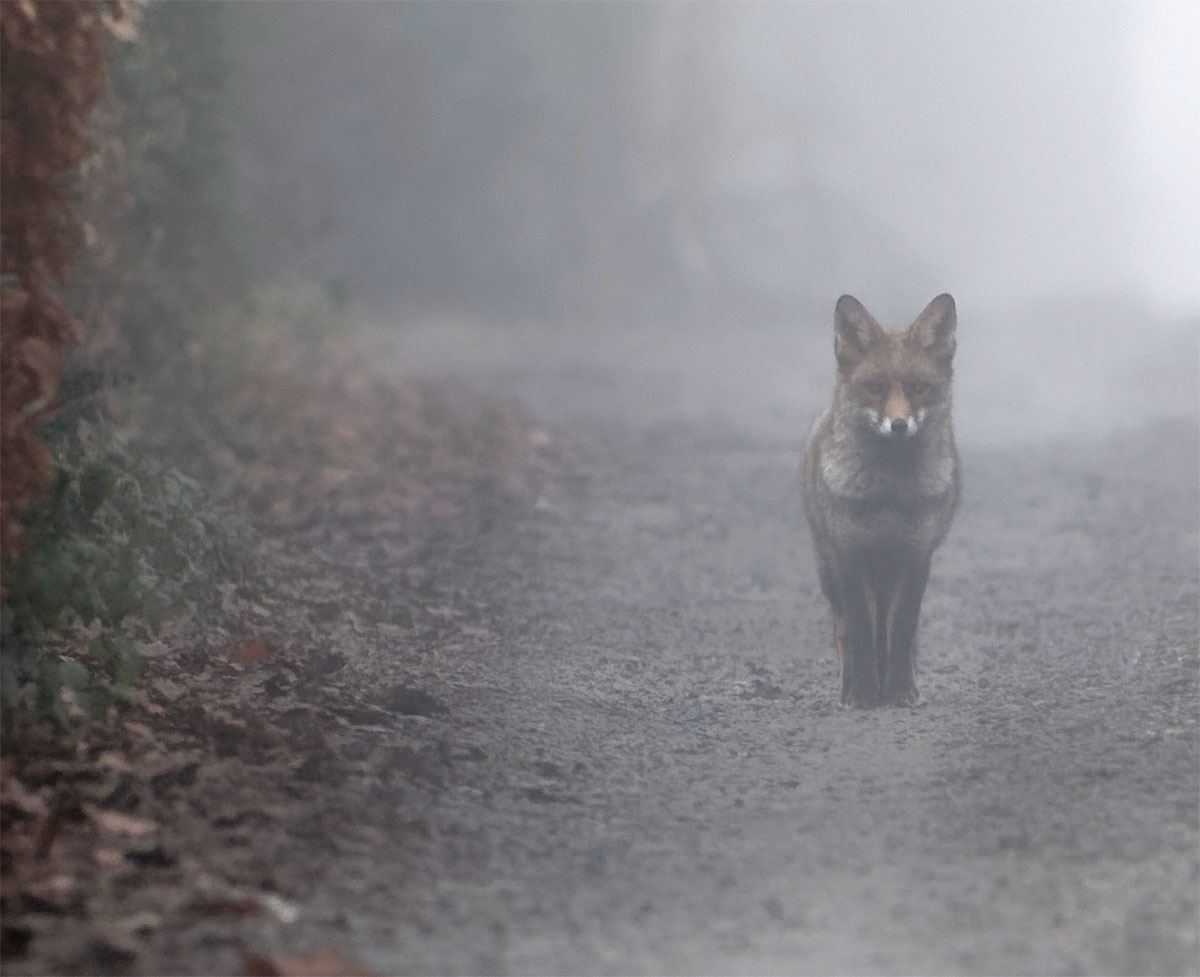
Fox mist 1 Jan 21

I don’t know if this particular fox is still with us; even if alive, he may wandered far. But any cubs that he sired during that winter, any fights he fought, any scent marks he left on gateposts and hedges will have subtly steered the fox dramas in the seasons since.

In the wild, the old is never ‘out’. It is the undercoat of paint that gives purpose and context to the new.

19 responses to “Out with the Old?”

  1. Happy New Year, Adele! Hoping for better weather ☂

    Liked by 1 person

    1. Hi Paul, happy new year and I hope all’s well with you. And yes, let’s hope the weather improves before both Surrey and Sussex are blown into France – it looks atrocious outside at the moment. But it’s supposed to be -5c here tomorrow so hoping to see some frosty foxes.

      Like

  2. Wonderful imagery in words and photos! Happy New Year, Adele 😊

    Liked by 1 person

    1. Happy new year Belinda 🙂

      Liked by 1 person

  3. I wonder about some of the animals too. Wonder if some of my squirrels are still alive and what they’re doing. Sometimes I think it might be best not to know, but it’s always a privilege to have “known” them for a while anyway.

    Love your photos, Adele.

    Liked by 1 person

  4. Such an arresting fox photo, ethereal and dramatic. Your post is a beautiful tribute to the past and its constancy within all of us.

    Liked by 1 person

    1. Thank you Lynette. It is so easy to forget that we are all watching a small chapter of the longest of stories. Best wishes for 2025.

      Liked by 1 person

  5. Lovely fox image and musings on the cycles of life Adele. It’s amazing that that flower was blooming at year end.

    Liked by 1 person

    1. The cold turned to snow last night, so I suspect the scabious will now rest quietly for the rest of the winter!

      Liked by 1 person

  6. He’s a handsome one, I hope he still is around!

    Liked by 1 person

    1. Yes, although whether he is or not, he’s part of the story of this ecosystem now.

      Liked by 1 person

  7. Happy New Year!

    Great photo of the fox. Hope you will get more of them 🙂

    Liked by 1 person

    1. January is one of the best months for foxwatching so I am hoping to be out and about a lot in the next few days. Weather permitting!

      Like

  8. Once again, a very Happy New Year dear Adele.
    Hope you will have more lovely encounters in 2025.

    Liked by 1 person

    1. Thank you Takami, and very best wishes for 2025 to you.

      Liked by 1 person

  9. A definite yes to church bells and a no to dreaded and dreadful fireworks! Interestingly, Scabiosa columbaria is a native grassland plant in South Africa too. The fox looks marvelous in his winter coat. Interesting to contemplate the long view through time.

    Liked by 1 person

    1. That is interesting – I didn’t know it extended as far as the southern hemisphere. Here, it tends to grow on soils with a high pH, like chalk grasslands. It is replaced by other scabious species in neutral and acidic areas.

      Liked by 1 person

      1. Oddly, I couldn’t find anything here about this species being limited to alkaline soils – rather it is described and widespread and adaptable, and occurring largely in sandy, rocky and bushveld habitats. Btw, I was charmed to see that ‘columbaria’ refers to the dove-like flower colour in some forms.

        Like

Leave a comment

Trending