Year of the Snake: yes, snake, those living ribbons that push quietly through the grass, glide between treetops, and swim in Earth’s hottest seas. They are dazzling, powerful and shy. They can be deadly as tigers, as controversial as hyenas, or as beautiful as tropical birds.
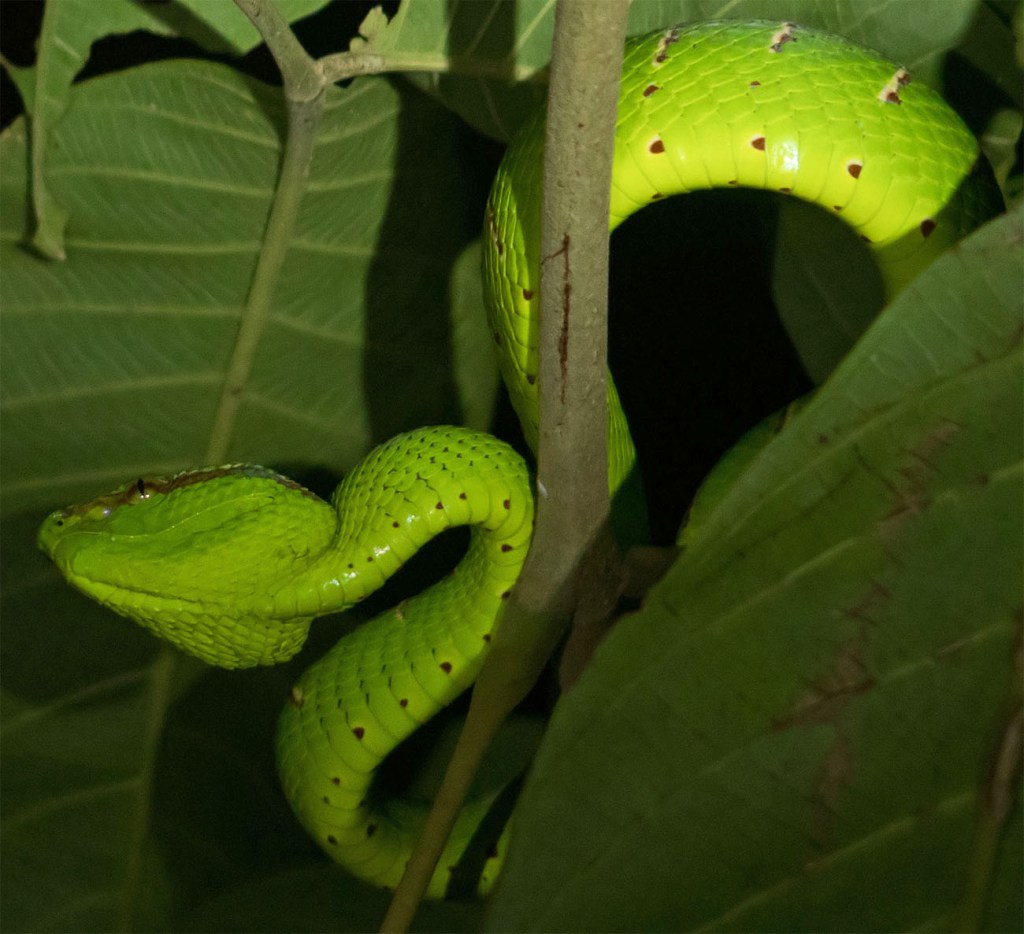
This is a Borneo keeled pit viper, and yes, it is venomous. Family Snake boasts some eye-wateringly hazardous sons, but that is not the whole story. Snakes play the same game as everything else: sometimes predator, sometimes prey, often persecuted by people, occasionally thriving in the opportunities we unwittingly provide. Some are critically endangered, and others, through no fault of their own, are doing the endangering; humans have released a fair few species outside their native range, and that never ends well.

Thirst snake, Mexico
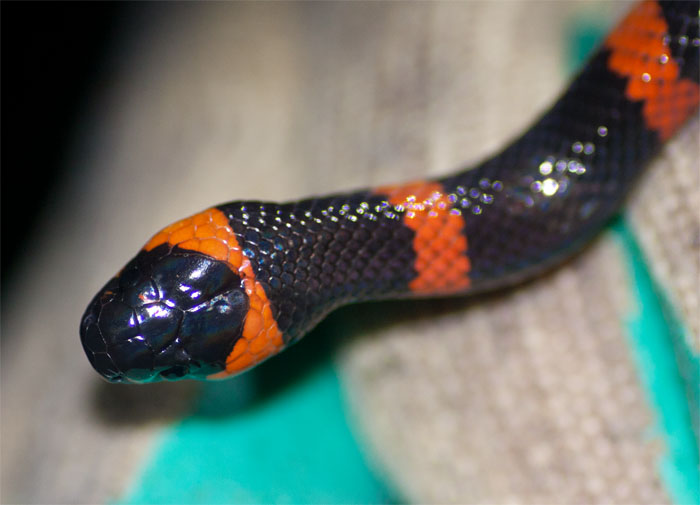
On my travels I’ve met many characters who have coiled themselves around my memories: a clownishly clumsy parrot snake who kept tumbling from tropical trees into our Mexican camp, a dignified bull snake hissing past my boots in prairie Canada, and a paradise tree snake that graced a boiling Singapore morning.

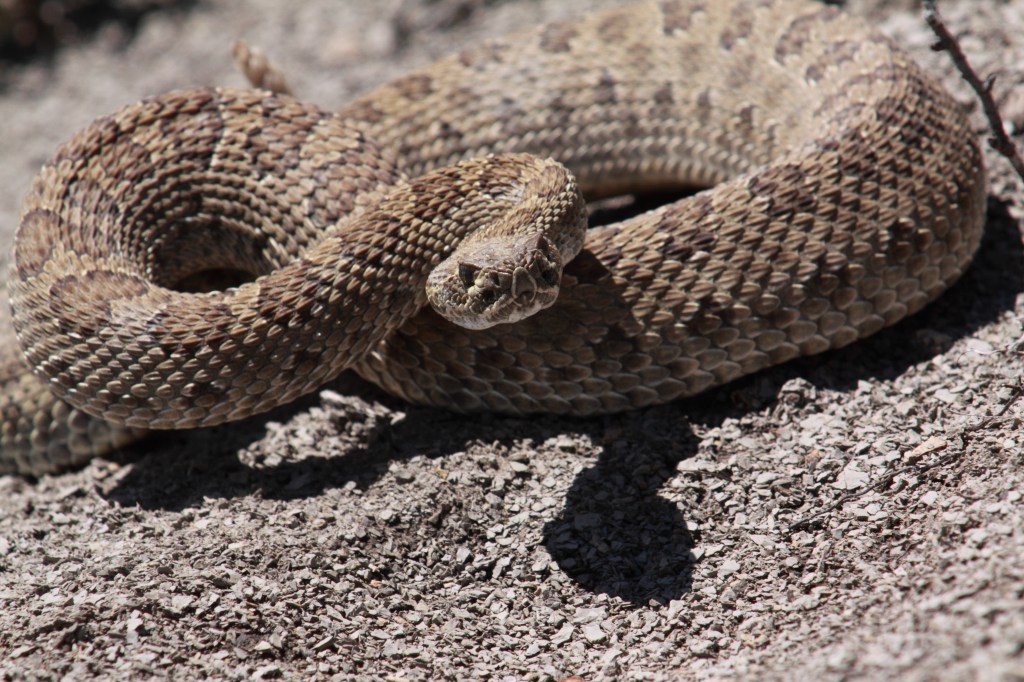
Prairie Rattler
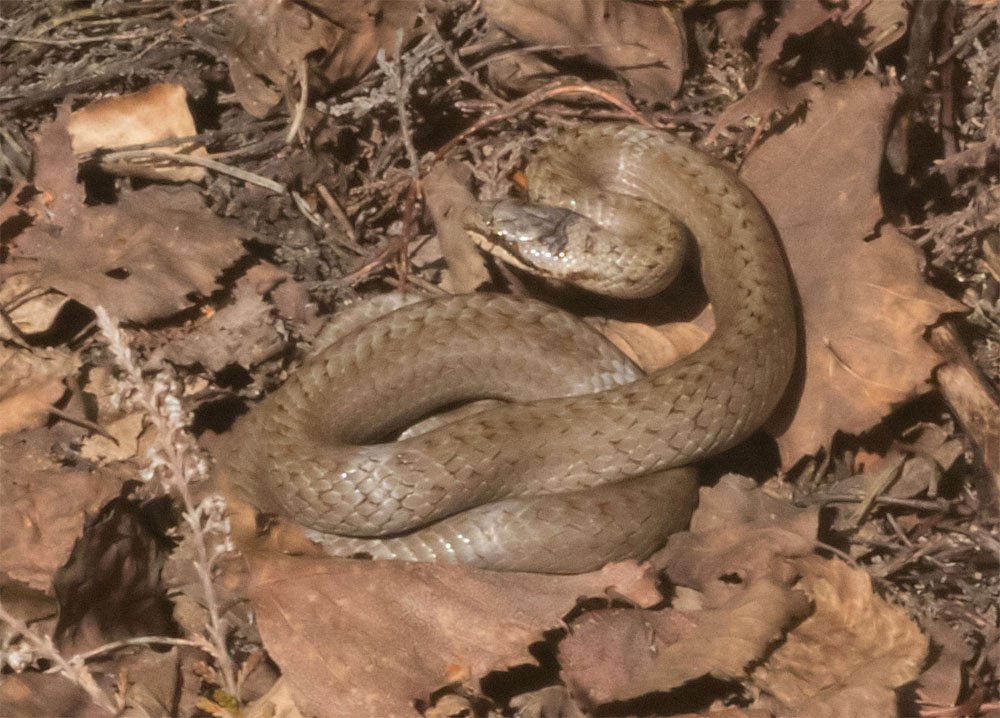
England, too, has wild snakes. And Surrey is one of the better counties for them. Our star is the smooth snake, a reclusive lizard-hunter of sandy heaths.
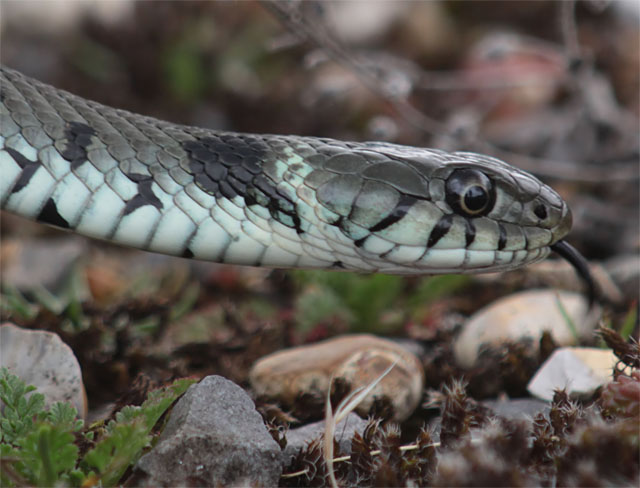
Much bigger and easier to spot is the grass snake. It too is non-venomous, and often startles gardeners by swimming through their ponds.
And then, there’s the adder. Britain’s only venomous snake is rapidly declining and I see it seldom. This brief and photograph-unfriendly sighting was on the cold moors of the North Pennines a couple of years ago.
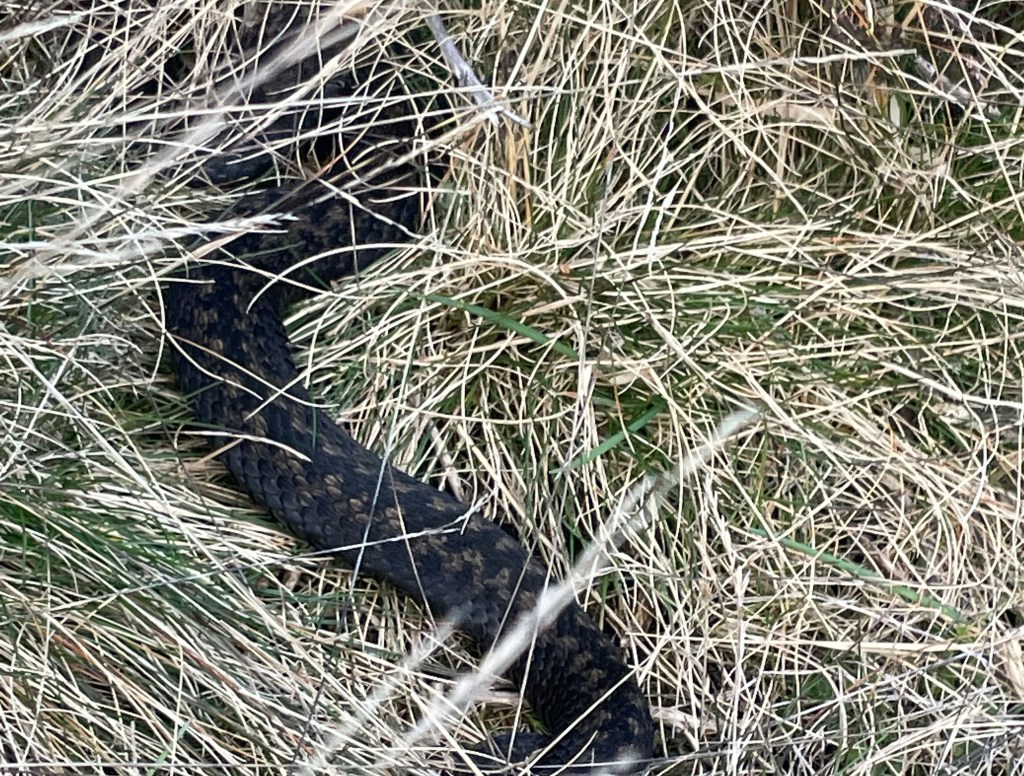
But that trademark black zigzag is fading from our cultural memory. Adders are very vulnerable to disturbance and habitat loss, and conservationists also look askance at the millions of pheasants released into the countryside for shooters each year – some evidence suggests that these non-native birds are horribly effective reptile predators.

But adders are snakes, and that name carries baggage. Protected they may be, but illegal killing reputedly continues. Let us hope this Year of the Snake will see an improvement in human behaviour towards all our wild neighbours, controversial or not.

16 responses to “Nature in the Scales”

  1. Timely post, Adele. Snakes clearly press buttons with the human race. Garters are the most common here and though they startle me, they are welcome in my garden.

    Liked by 1 person

    1. I love garter snakes. I used to the see the Vancouver Island species quite often when I was living there. Trying to bask in the rain, poor things!

      Liked by 1 person

  2. I don’t mind the look of a snake but I wouldn’t like to be bitten by one, especially a venomous one. Nice photos, Adele.

    Liked by 1 person

    1. Indeed not, but I wouldn’t want to be bitten by a dog, squirrel or fellow human, either. Certainly there are many snakes that need to be treated with extreme caution. When I was in India, I saw a Russell’s viper, one of the most deadly.

      Liked by 1 person

      1. Well, there goes my trip to India. I read about this snake just now on Wikipedia and have lost all interest in traveling.

        Like

  3. Growing up in rural Upstate New York, I loved snakes since I was a child (I wanted to be a herpetologist until I went to college, when I found other fascinating things to be interested in), it was nice to read your column, a pleasant diversion from foxes, my current obsession. Living in an urban environment now I dearly miss going out in the field, overturning rocks and old wooden planks looking for garter snakes, milk snakes, ringnecks, etc.

    Liked by 1 person

    1. What nice memories of looking for them you must have! They are so different from everything else, and so interesting.

      In the UK, it is common for herpetologists to place roofing felt or pieces of tin on study sites in a survey pattern, so basking reptiles can be more easily recorded. I’ve been to a few of those with specialists (that’s how I got the smooth snake photo in this post actually – very difficult species to see otherwise).

      Like

  4. I had a healthy respect for the rattlers when I lived in southern Alberta. So many people really hate them, especially livestock farmers, but they are a valuable part of a healthy ecosystem. Great photos, Adele.

    Liked by 1 person

    1. They are pretty imposing, even though they are one of the smaller rattler species. This one was in Grasslands National Park in Sask. I tended to wear snake gaiters when doing my bison research there because it was hard to tell what was sharing the grass with me. One day, I heard a furious hissing right by my boot – but actually it was an enormous bull snake doing a very good rattler impression. It slithered off in a very slow, dignified, and dare I say offended fashion.

      Sadly, I have not noted cattle ranchers being tolerant of very much in the prairies.

      Liked by 1 person

      1. I am very familiar with that park. I often wore gaiters as well; it just made sense to take that precaution when out in the grasslands. Yes, bull snakes can do such a good rattler impression!

        I agree about the cattle ranchers. Not much tolerance for anything other than their livestock, unfortunately.

        Liked by 1 person

  5. Nice photographs! And yes, unfortunately, people are sometimes killing animals for no obvious reason. When I was a kid, one of my friends killed a small horned viper while it was trying to get some morning warmth in the middle of the road in Croatia. For no reason other than bad reputation. I was feeling sorry for little thing…

    Liked by 1 person

    1. That is sad. I have never seen that species although I did see quite a few Balkan snakes when I was working in Croatia.

      Like

  6. As handsome as they can be I tend to keep a respectful distance 😏

    Liked by 1 person

    1. Some snakes certainly warrant that.

      Liked by 1 person

  7. What a lovely plea for and tribute to family snake. Your photo of the Borneo keeled pit viper taken from underneath is very striking (no pun intended). I fancy from the photo that the viper carries an ancient wisdom!
    It is heartening to find in the village we have moved to that many people ask local snake catchers to relocate and not kill even the 3 very poisonous snakes quite commonly found in gardens and sometimes also in houses in the village – puffadders, Cape cobras and boomslangs.

    Liked by 1 person

    1. That is good news that non-lethal solutions are being accepted. I guess if your local snake catchers have demonstrated their effectiveness, that helps build trust. As far as I remember, the only snake that I’ve seen in Africa was a long dark one swiftly crossing a dirt track in Tanzania. Our guide identified it as a black mamba which I suppose wasn’t unlikely.

      Like

Leave a comment

Trending