A song thrush, bringing beauty to a barbed wire gate.

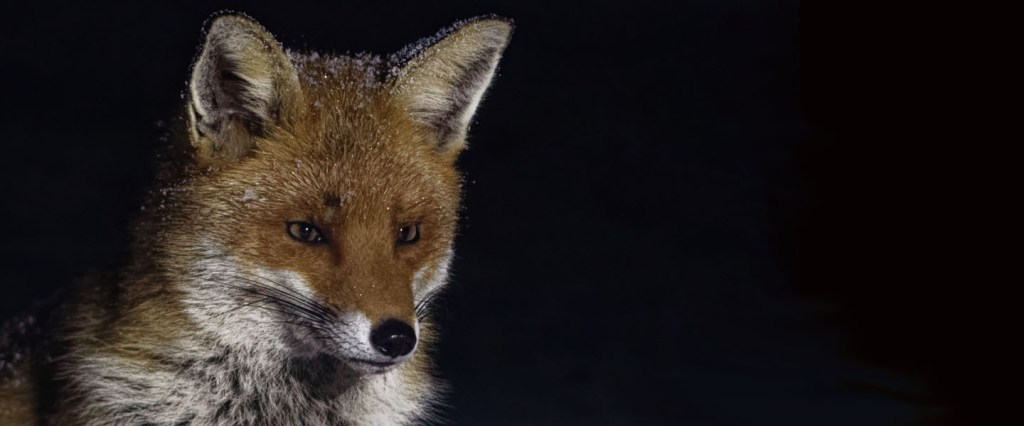
And a fox, turning rubbish into a useful perch.

Nature, humanity. We weave a pattern together, yet it grows increasingly uneven. Humans have become the conductors of the orchestra in which wild things must find their notes.
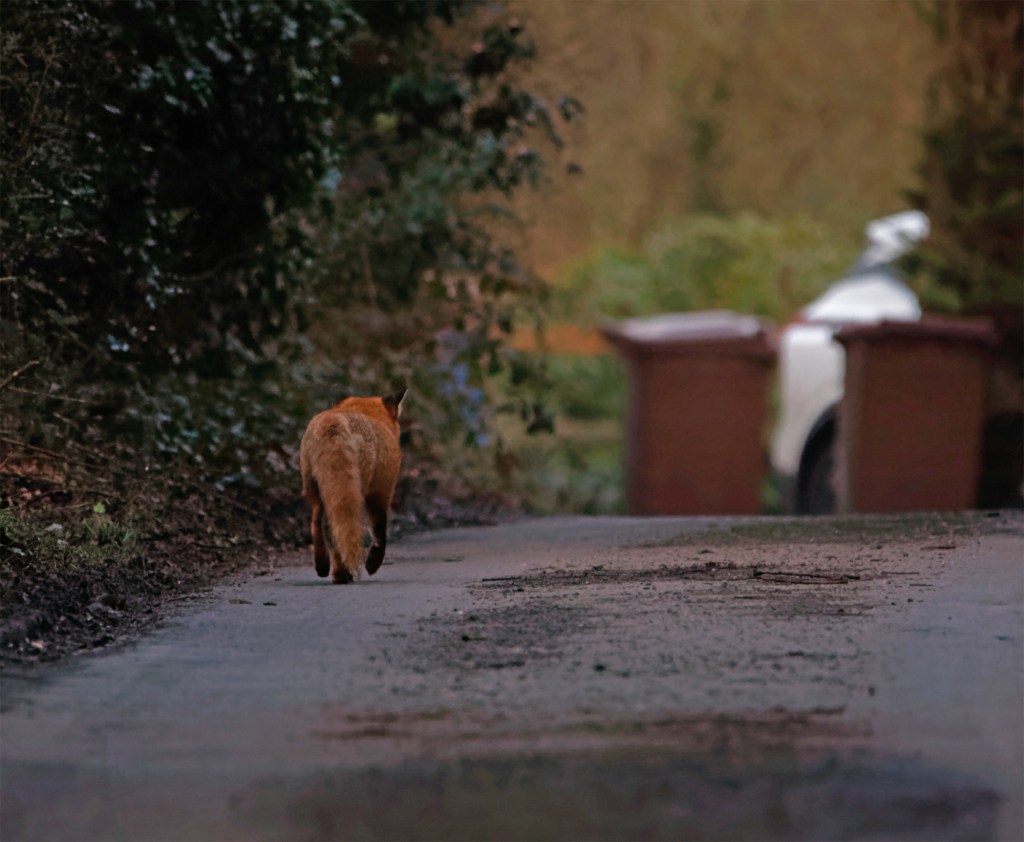
Is that always negative? As I’ve often blogged, ancient human activities are an integral part of practically all our English ecosystems, including our precious grasslands and heaths. Even today, in an era when we destroy far more than we create, we unwittingly leave opportunities scattered about like hidden bonuses in a computer game: a road network that pigeons use to navigate, garden ponds where toads are born, vehicles that carry plant seeds.
We endlessly nudge nature. Take this fox: he sits in a field used for sheep grazing. He is wild, but his circumstances are the product of people. The grass height is very low, which reduces the potential for him to hunt field voles. If the sheep are dipped, the chemicals are a hazard. But he also benefits from the hedges traditionally planted as field boundaries.
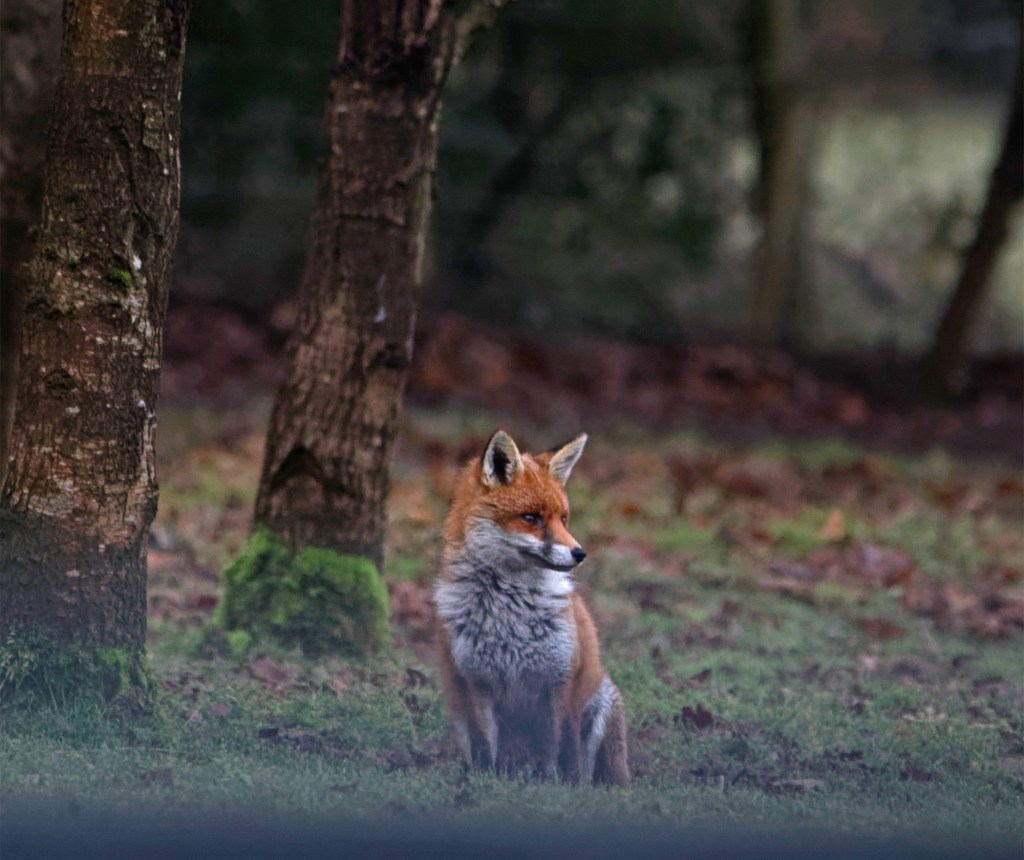
None of these choices are made with the fox in mind, yet he lives in their shadow.
And so it continues. What we do, affects our neighbours. And they in turn paint the corners of our lives with a little bit of defiant wildness.



 A Walk with Wildlife
Leave a comment