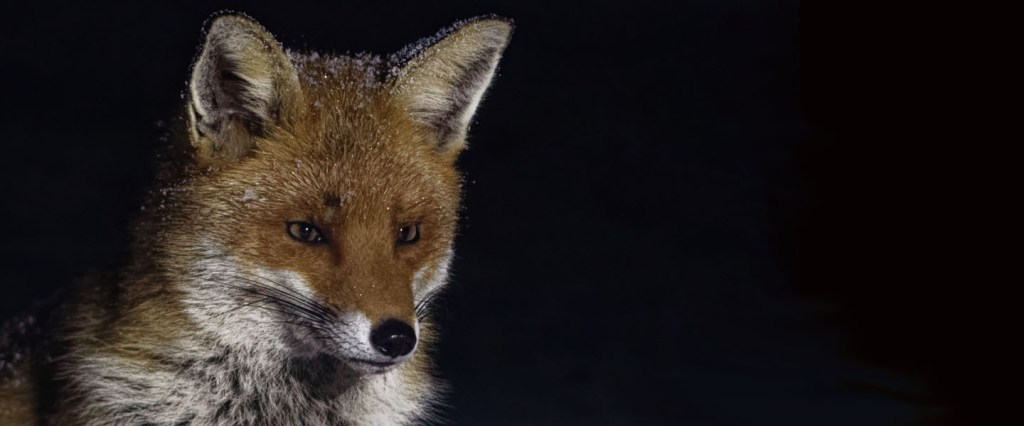
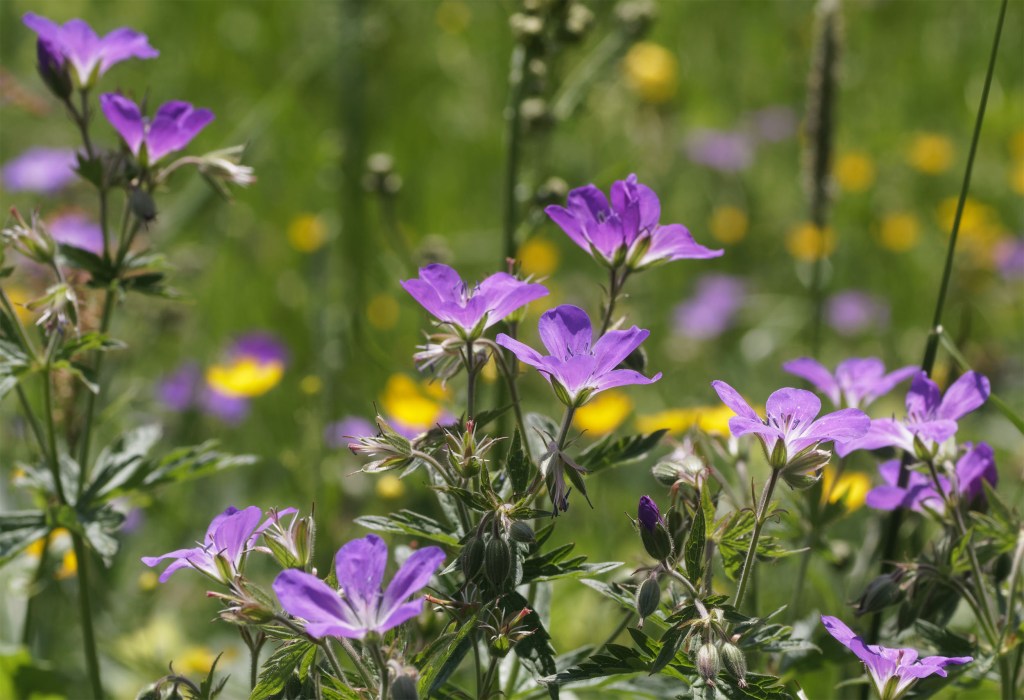
We’re in that seesaw time when frosty mornings and afternoons in t-shirts sit amicably alongside each other. Spring has painted primroses and celendines over the verges and woken up dormice and bats. It’s best to keep an open mind about dawn: it can cold and bright, or foggy, or playing with lurid sunrises.

A few days ago, it also had a sparrowhawk.
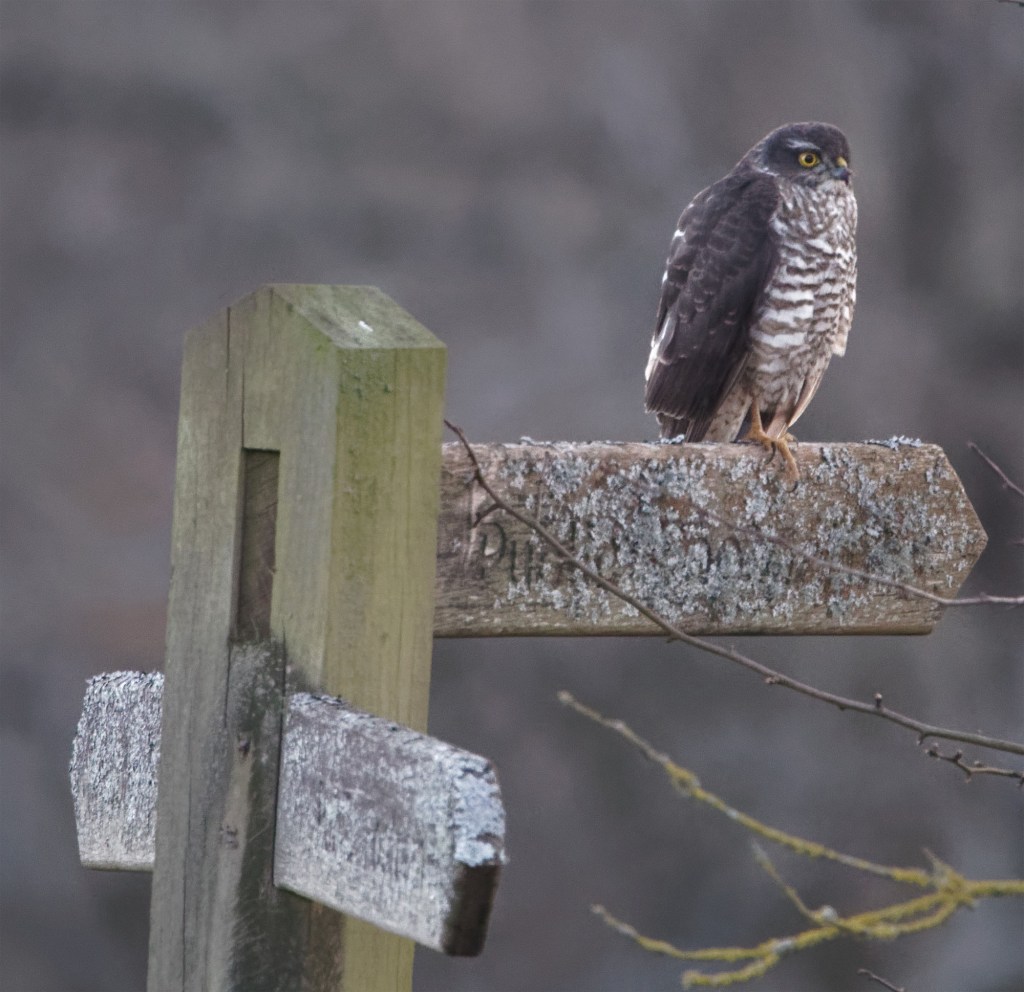
I usually see these small, snappy hunters at alarmingly close range as they rudely whip past in pursuit of something else with feathers. But this one was perched on a signpost, and she has become part of its story. The sign was built by people, read by people, now habitat for lichens. And a sparrowhawk.
That wildlife uses whatever objects we create is not news. But sometimes we play a bigger role than that, and nature itself becomes a living book. In AD 43, the Roman Emperor Claudius began to conquer these islands. His people did not travel alone.
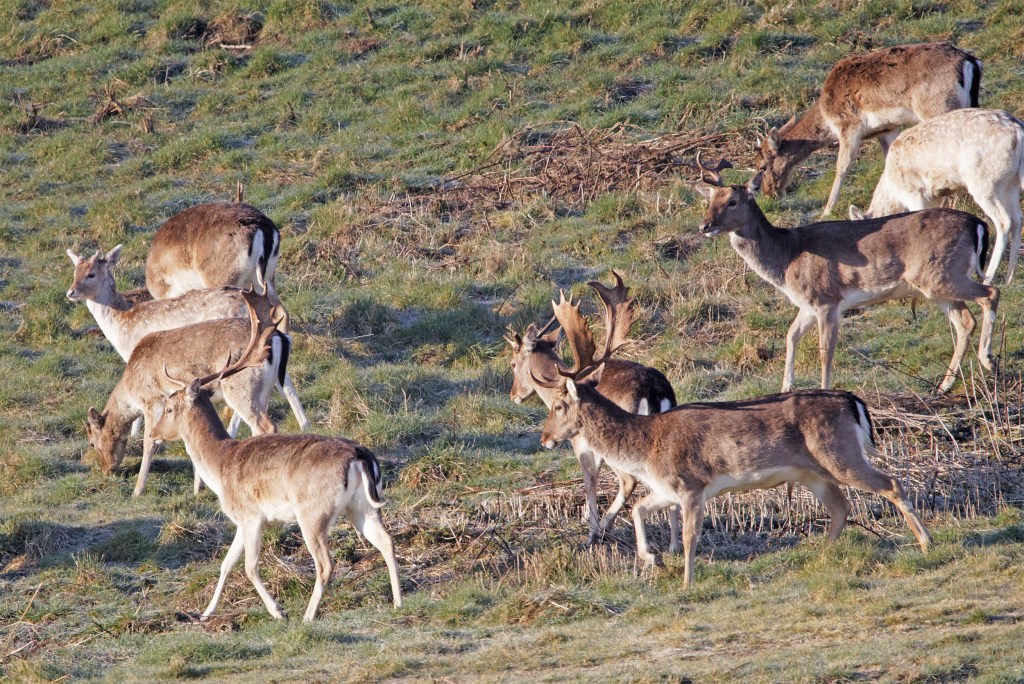
Fallow deer: a drama of ice and humanity. During the Pleistocene, they were found across Europe, but when the cold ended their range collapsed into remnants in Turkey and the Balkans. Then came the Romans, who knew nothing of the Pleistocene megafauna – but reintroduced this elegant, spotted part of it.
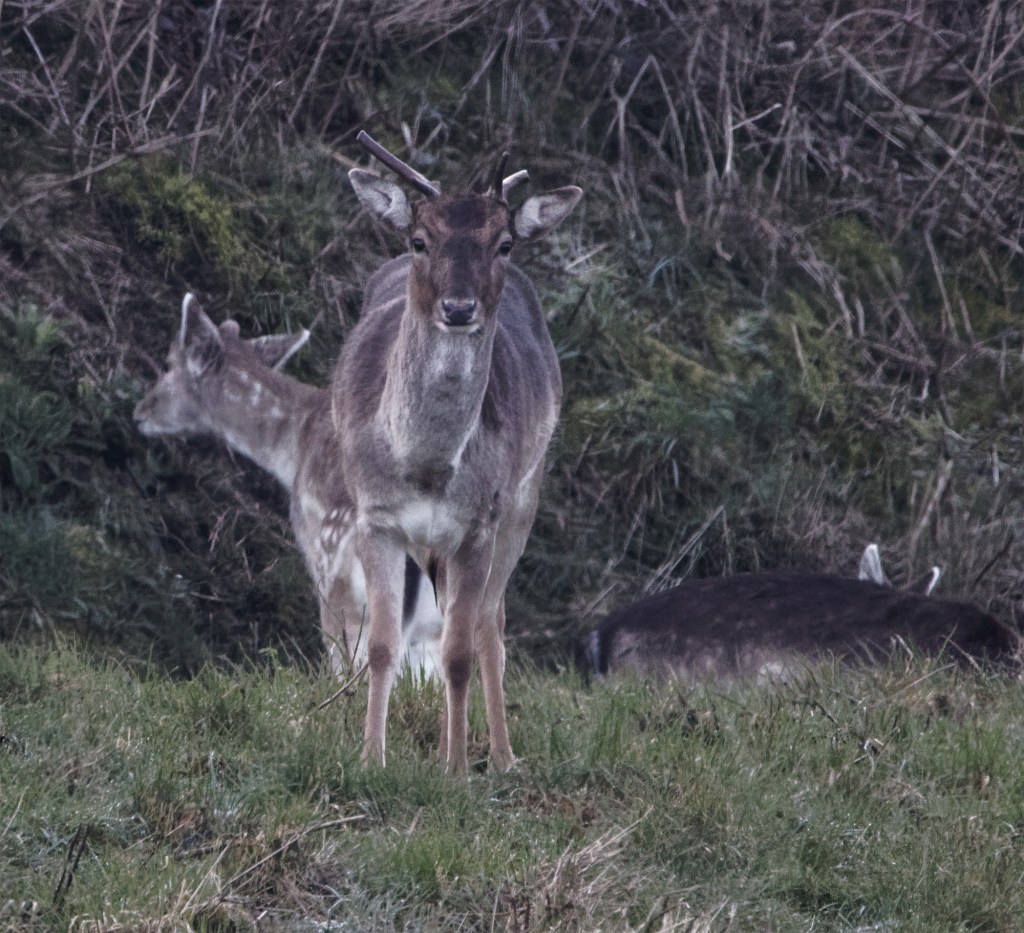
Even that wasn’t the end; when the Roman Empire collapsed, fallow deer disappeared again from Britain. They were brought back just before the Norman conquest. Meanwhile, they have become critically threatened in their native Turkey. As far as some British wildlife is concerned, fallow themselves are the threat, for their grazing pressure is a headache for woodland conservation.
But a spectacular sight they remain, and their hoofprints are threaded through with history. Like rabbits, hares, little owls and field poppies, they are a subtle nod to our very human past.

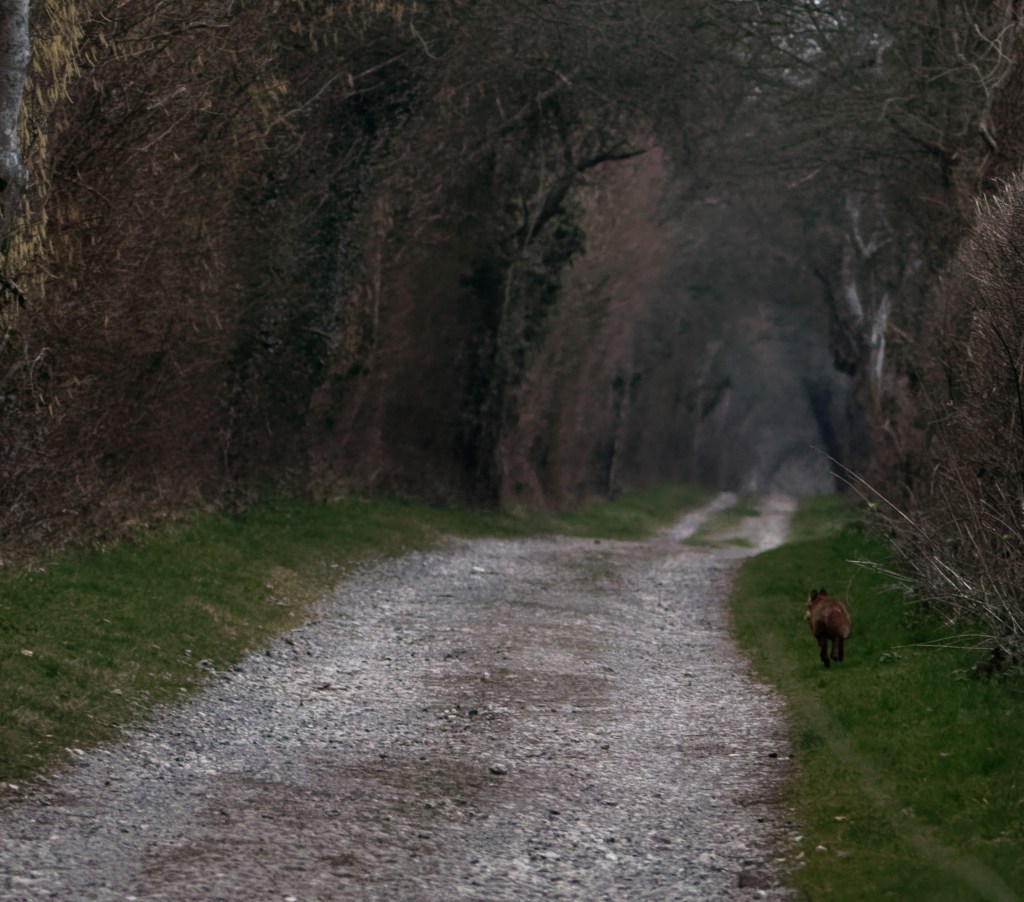
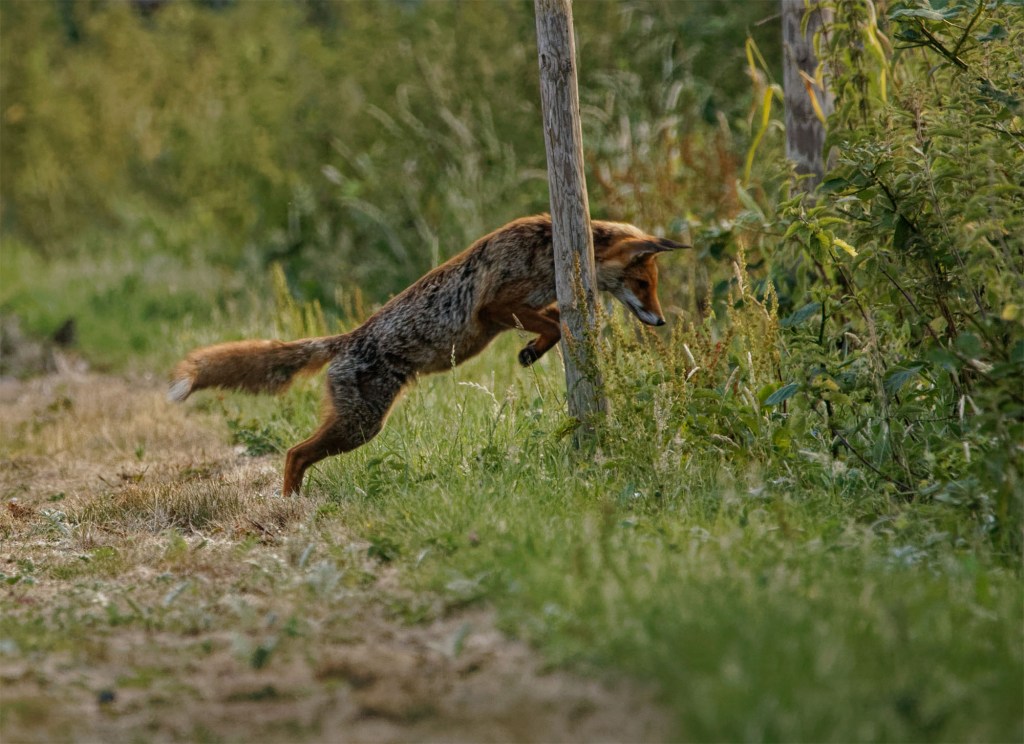
Something to reflect upon while walking the tracks of the present – in the company of that small red canid that has been here through it all.



 A Walk with Wildlife
Leave a reply to Lynette d’Arty-Cross Cancel reply