They glow with such life, you’d think the mountain itself would be tickled by their dances in the breeze.

Of all Europe’s habitats, Alpine meadows hold the gold star for celebrity status. And they glow gold, at least here below the treeline – globeflowers sparkling in the morning sun.
But like actors who owe their show to a quiet backstage crew, this splendor is held together by a hidden co-worker. Globeflowers are off limits to bees and moths – they never open up. Incredibly, Anthomyiidae flies climb inside the ‘globe’ and inadvertantly transfer pollen as they feed, mate and lay eggs.

The Alps are full of contradictions like that. They are lofty, but conquered almost to the highest summits by the ground-hugging miracle that is purple saxifrage. They are dangerous, but give sanctuary to fistfuls of rare species. And they are wild, but also very human. In Europe, the traditional, low-key agriculture that evolved with nature over thousands of years has been largely ripped up by industrialised agriculture, with terrible consequences for conservation. The Alps are one of those special places which still contain some of the old school, ‘high nature value’ farms where biodiversity and the economy are bound tightly together.
So meadows are not just visual poetry; they are a crop that produces hay. That works for nature, and works for people.

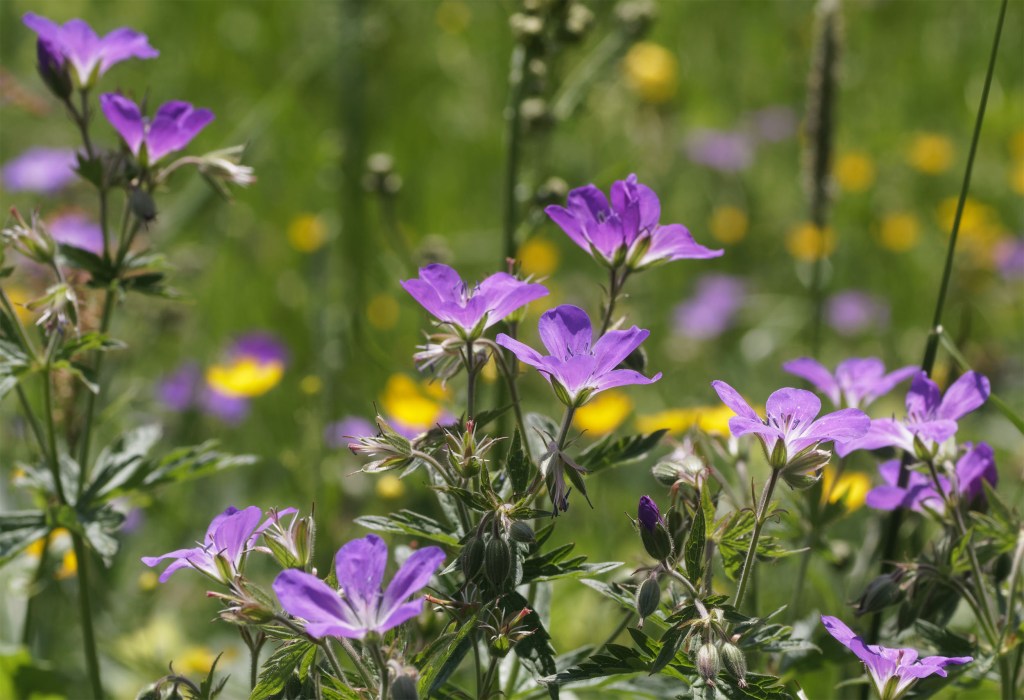
If a paintbox had been spilled, it would have fewer colours than this.


They are small, yet help make the mountains everything that they are.



 A Walk with Wildlife
Leave a reply to Writing to Freedom Cancel reply