
What is the world from 15 inches high?

This fox knows it, senses it, reacts to it. She paused with her outline lost in the grasses this morning, watching me with her eyes – and her ears. Those ears are a wonderful thing: heat dispersers, mood emojis, and dishes for capturing the faintest sound. Turn the head, tune the radio.
(Video link for email readers)
What, exactly, can a fox hear? Perhaps the logical place to start is with their most pressing requirement: the cries of their own species. My former colleague Huma Pearce and a couple of her co-authors published Sound Identification of Terrestrial Mammals of Britain and Ireland a few years back. This weighty library of wildlife sounds provides spectrograms for nine fox calls, a graph of what is happening when their noises cut through the evening air.
But their hearing goes beyond our narrow window. Experiments suggest that a fox’s low frequency threshold is similar to a cat’s while its upper level is comparable to a dog’s.
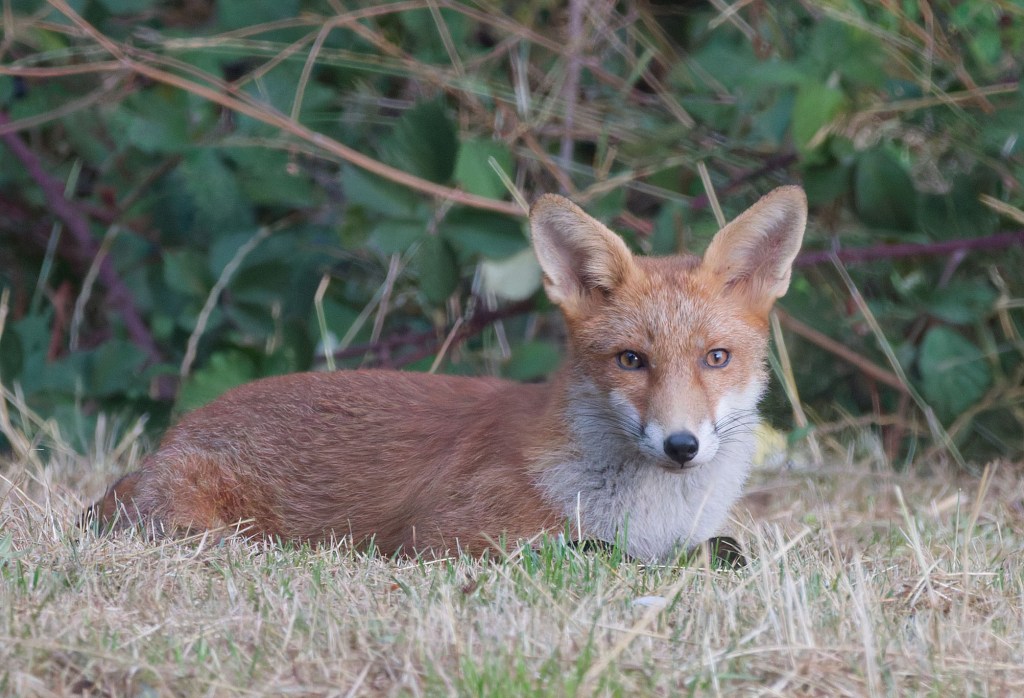
They hear things that we cannot: tiny scuffles of rodent feet, for example. I once watched a fox put his head on one side, trot 20 feet across a meadow and leap on his supper.
But there is also a certain liability to ears. Imagine, if you will, that you are a teenager cub trying to conceal yourself. Ridge on the track to lie behind? Perfect! – well, not unless you put down those great orange arrows.
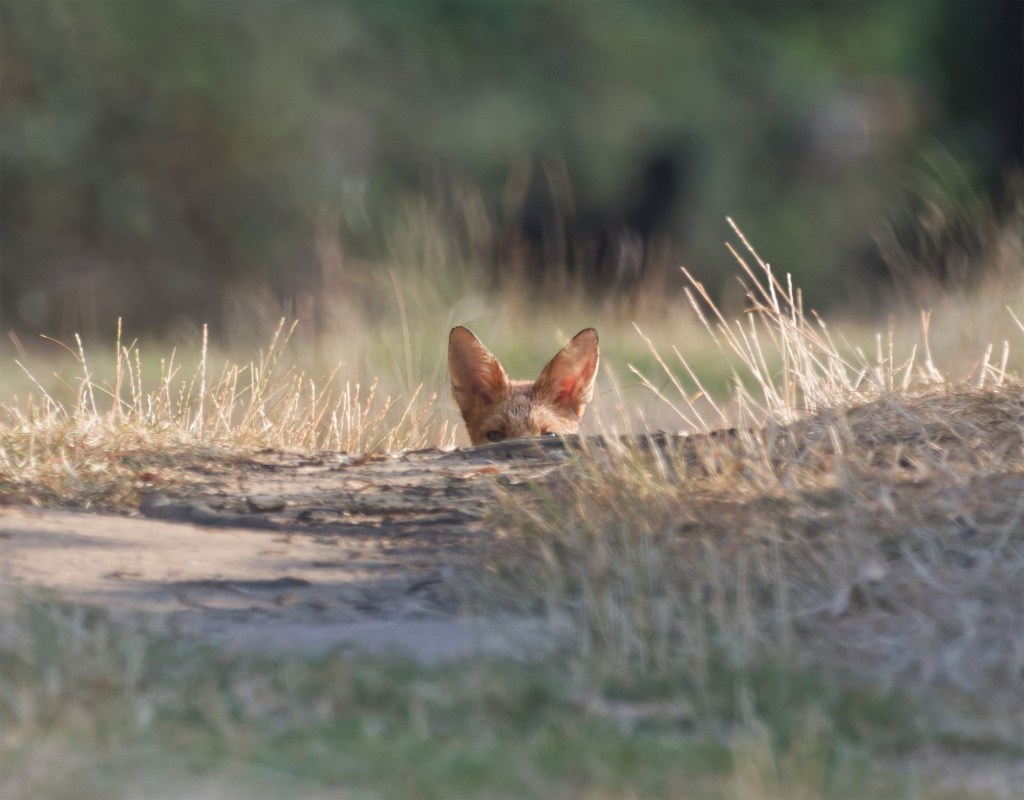
Help or hazard, who could imagine a fox without them?








Leave a comment