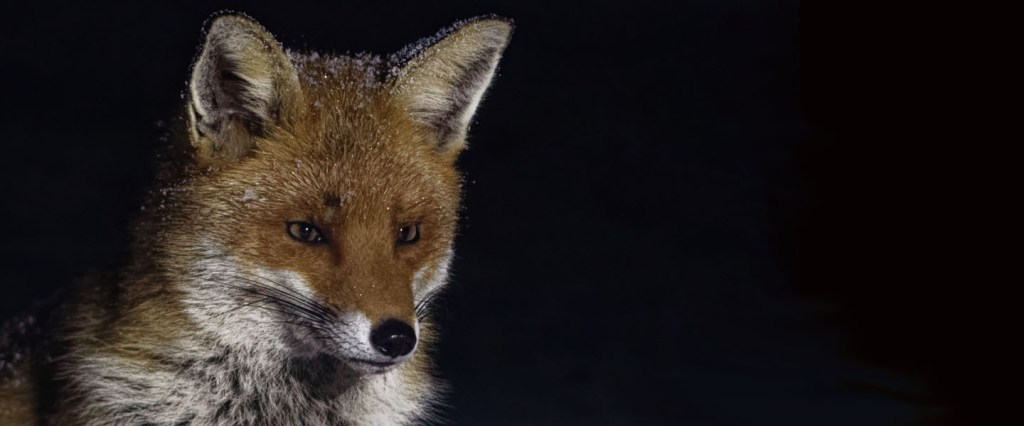
Walk into a wood, any wood. What impresses itself? The trees, naturally; they cast shadows and throw down leaves and acorns, while a woodpecker hammers and – if you’re lucky – a weasel nips across the path. Life is everywhere, leaking sap and uttering alarm cries. But it all stands on a thin foundation of white threads.
Those threads are fungi – the actual fungus organism, existing in a fine mesh in soil or wood. In autumn, those threads send up their fruit.

Fungi grow trees. Many species bind their hyphae (the technical term for the white threads) into relationships with roots, helping the tree absorb water and nutrients. No fungi, no woods; or at least, much weaker and more disease-prone trees. So significent are fungi for tree planters that the mycorrhizal species are now on the commercial market. A world without fungi would be so different that it is hard to contemplate it.
Fly agaric (of the famous red and white spots) often befriends birches, and in autumn the fungus encircles its tree with garish fruit bodies.
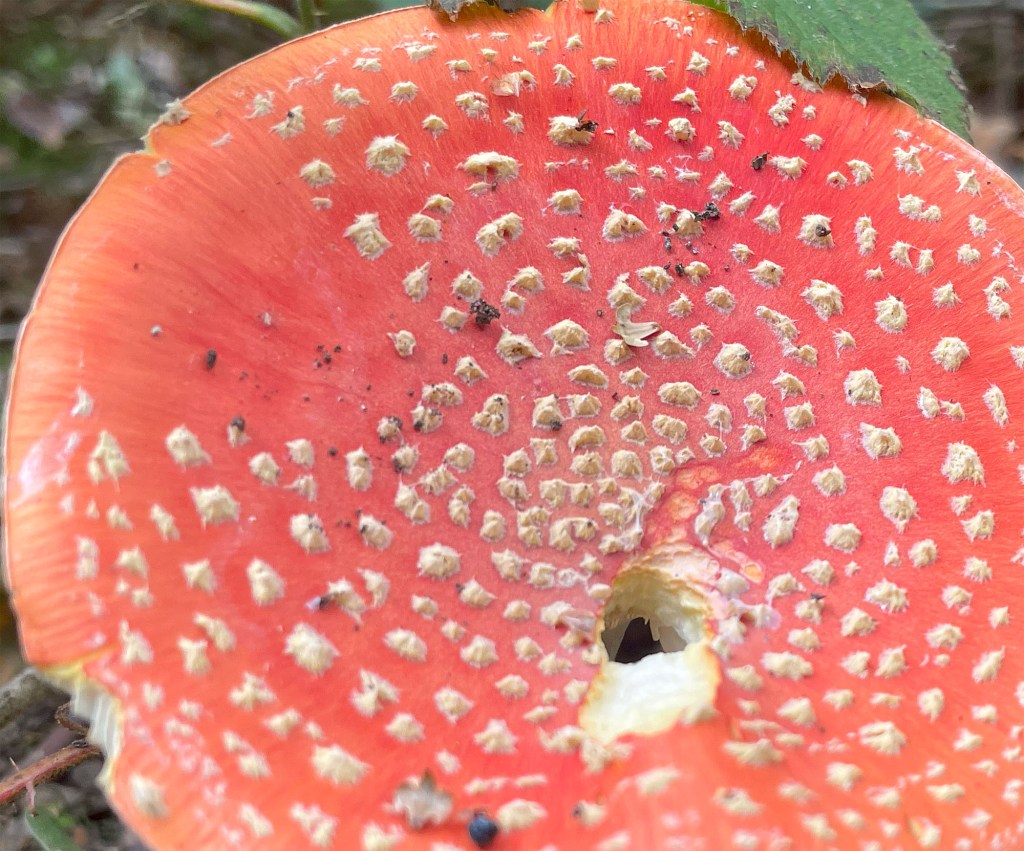
Its family name is Amanita, a byword for “admire from afar”. The fly agaric contains psychoactive compounds, but just across the wood lurks a sinister cousin.

Yes, that is a death cap Amanita phalloides. Sickly green and sitting in its broken white cup. Although, as humans, we tend to be mostly interested in why it should never be eaten, from a purely ecological point of view it exists in a mutual relationship with oak trees. The king of trees is thus held aloft by the world’s most infamous fungus.
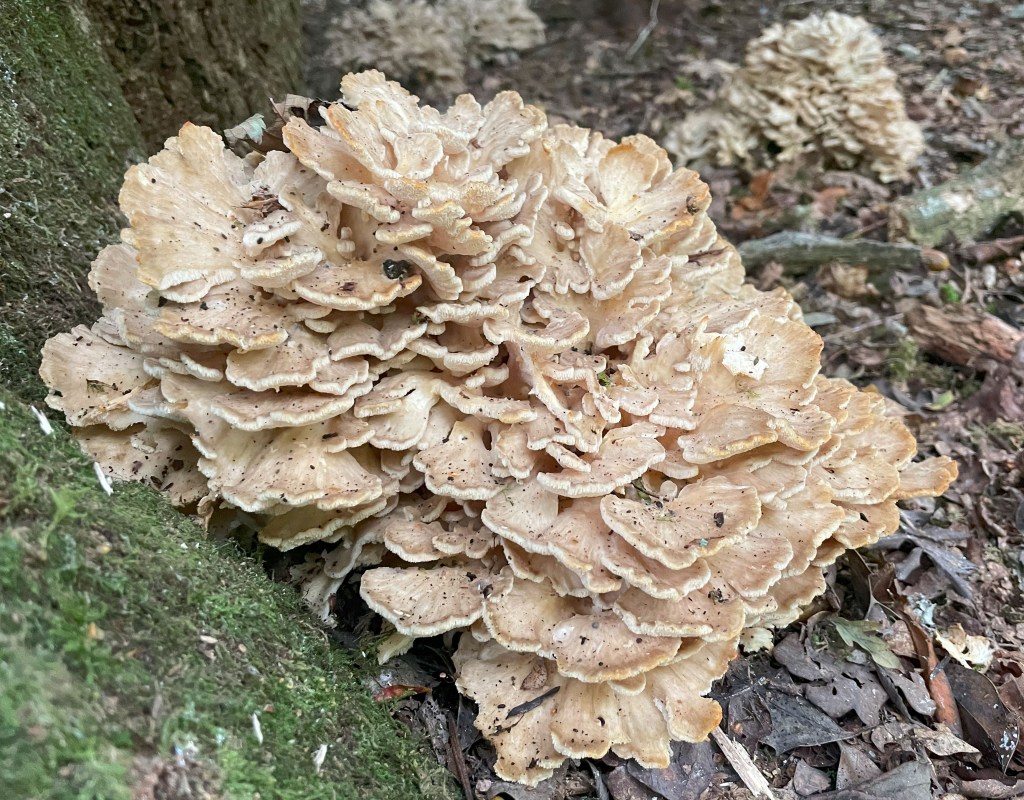
But while some fungi grow new trees, others clean up the dying. This is hen-of-the-woods, which may either be a pathogen (an attacker of healthy trees) or a sapophyte (a rotter of decaying wood) depending on who you ask.
Learning all the ways of fungi would take many lifetimes. We walk in the woods they build.


And that should give us pause about the interconnectedness of the wild.



 A Walk with Wildlife
Leave a reply to Words Cancel reply