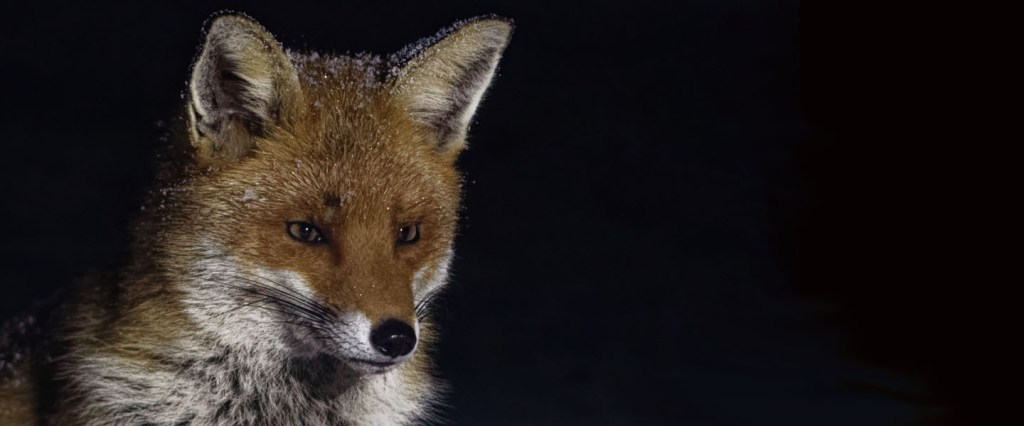
The land crunches when you walk on it. Life makes the best of things. What else is there to do?
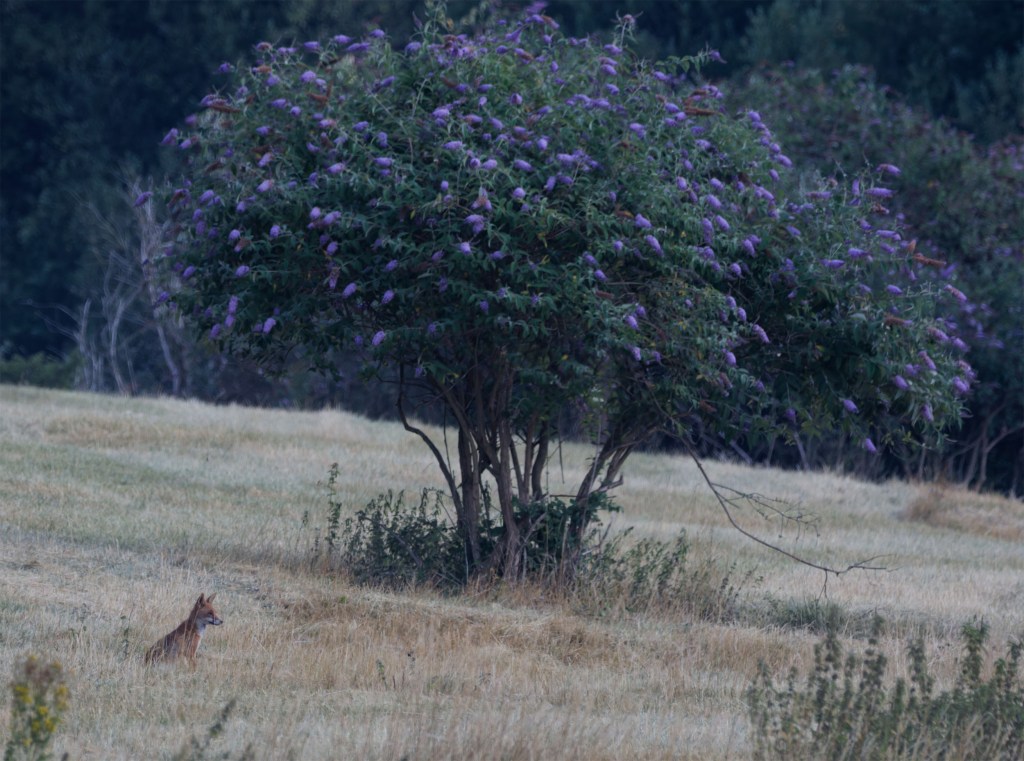
Some trapped in the dryness are seasoned fighters. Plants native to chalky grasslands are all too familiar with being thirsty: chalk cannot hold water in its fingers even during normal summers, which is why the North Downs’ slopes have so few natural ponds. So now, while everything else is wilting, chalk hillsides shrug their shoulders and play with their paintbox.

This is rosebay willowherb, but where this pasture has a lower vegetation height, a rich variety of other wildflowers and their attendent butterflies are still on show.
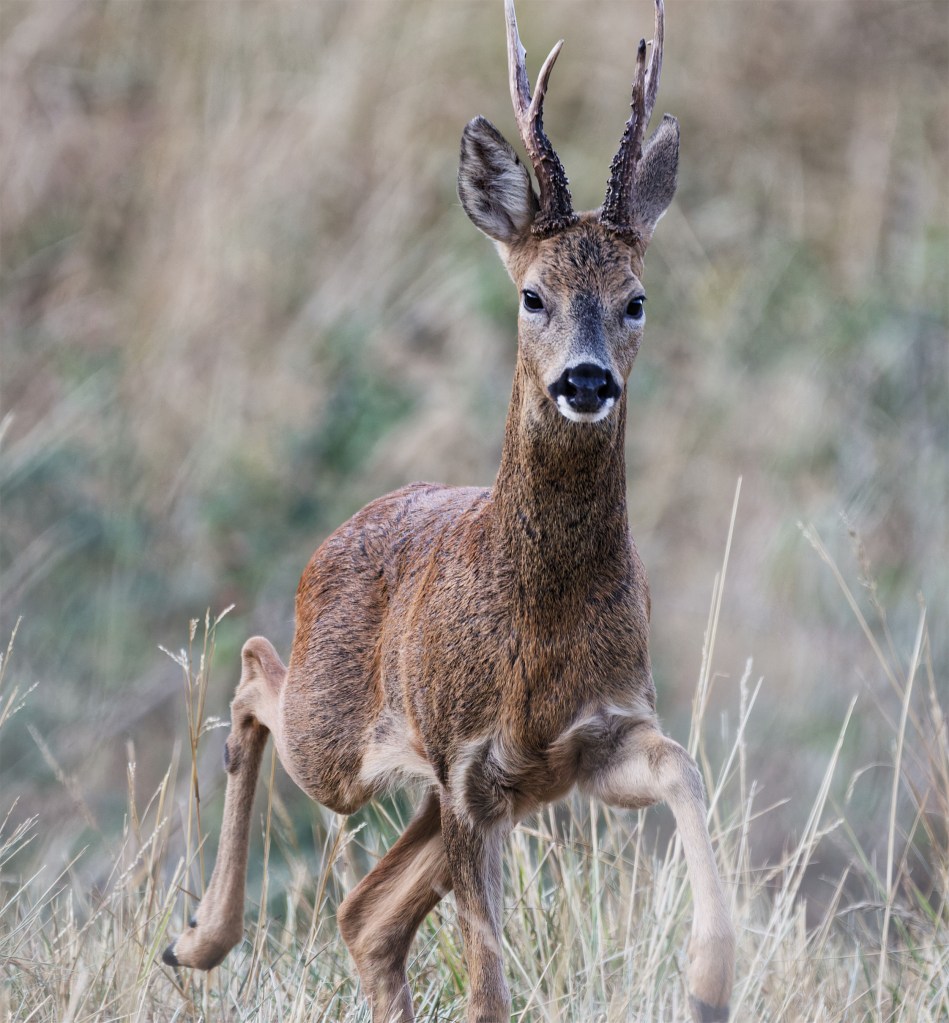
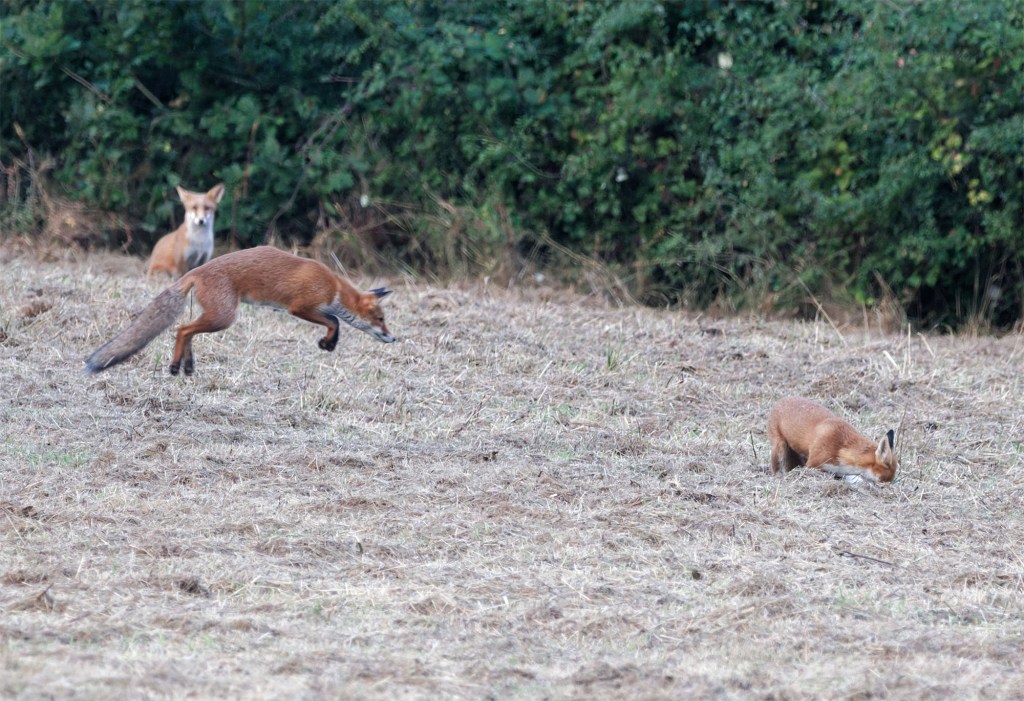
Away from the chalk, fields are a flat and simple brown. And wandering over them are creatures that need liquid. Deer, not least; they generally obtain most moisture directly from their food although that is hard to believe when every grass stem is like paper. But they do have leaves and berries to browse, and I have not seen any in poor condition.
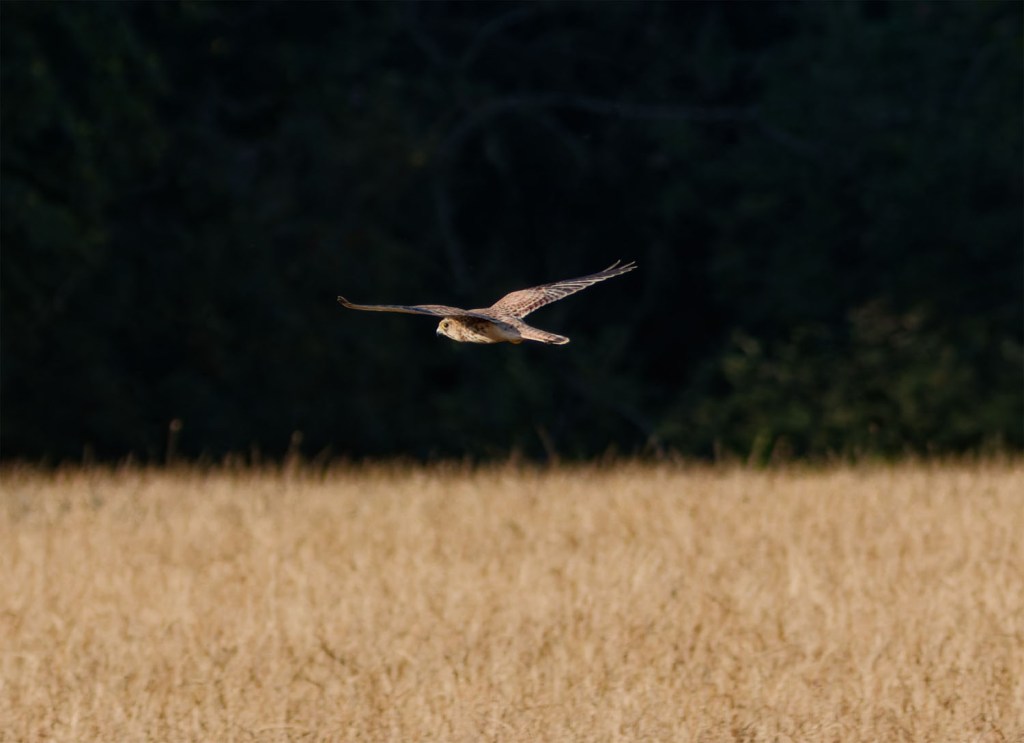
Carnivores, too, can find liquid through feeding, absorbing fluids from their prey. This is a female kestrel. She swooped past me and was promptly divebombed by a furious green woodpecker.
So survival goes on. Which is not to say that a drink is unwelcome. I have just added a pond to my garden and it did not take long to catch several eyes.
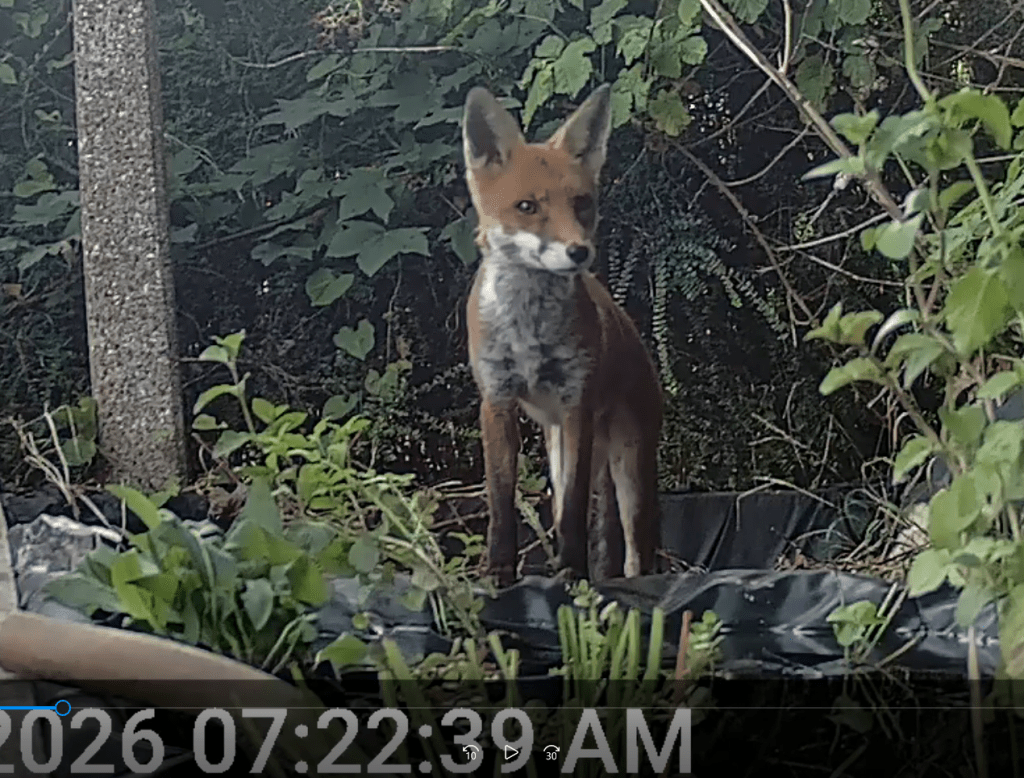
[Note for e-readers: video below.]





Leave a Reply